


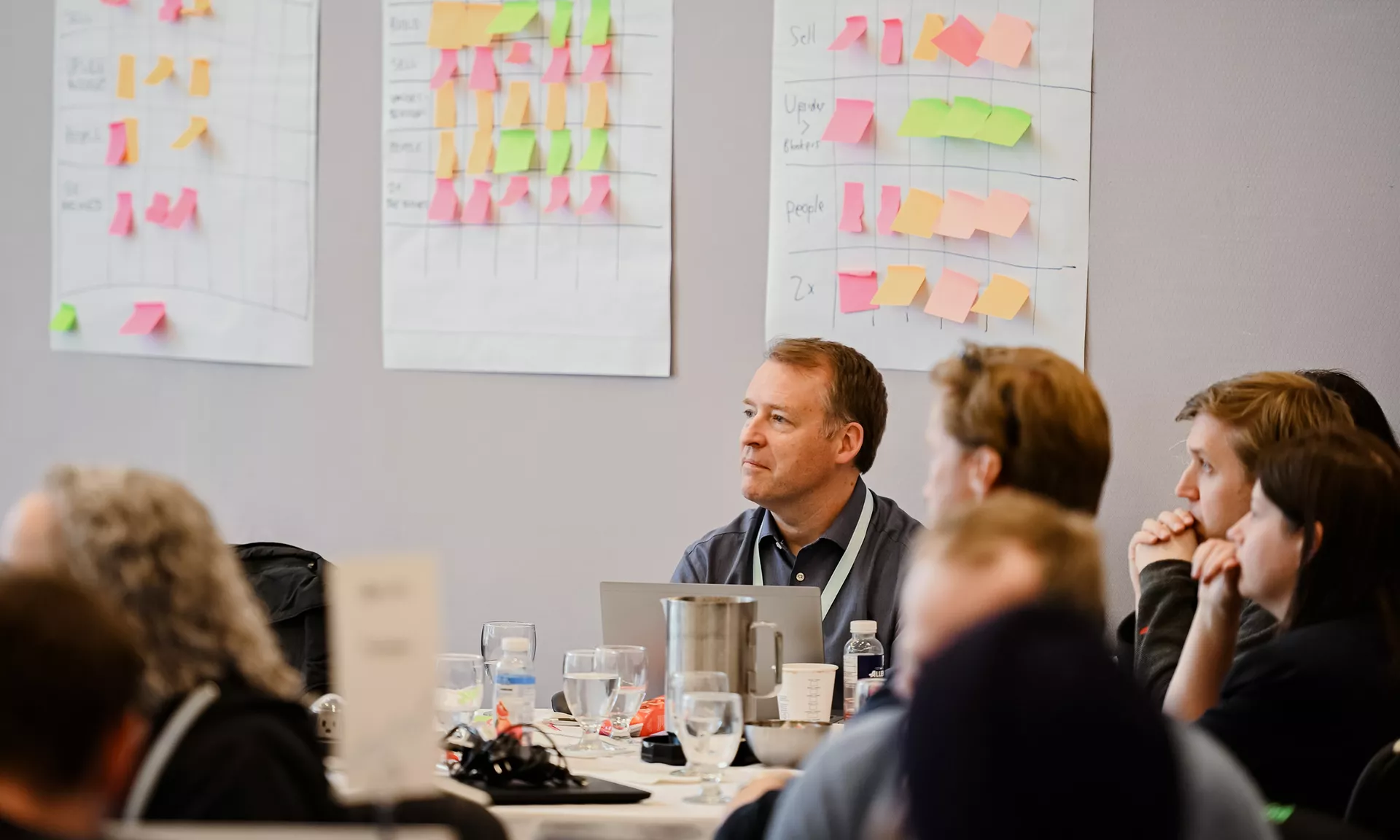








Members of the Business Transformation team behind the program share their lessons learned about culture change, coaching at scale, and why the real work begins after the event ends
Volaris Group introduced the AI Accelerator in 2026, a program designed to upskill developers, product teams, and business leaders and help companies advance their AI maturity and fluency. This is a part of a series about the AI Accelerator and its impacts on our businesses.
What does it look like to kick off a real transformation in a business?
James Whiting, Ellen Barss, Riley Roberts, Jeevan Dulai, and their colleagues on the Volaris Business Transformation team have been thinking about this question for most of 2026. Together, the team has gone on a whirlwind tour around the world, meeting people within Volaris Group-owned businesses nearly non-stop and working closely with our businesses to deepen their AI capabilities.
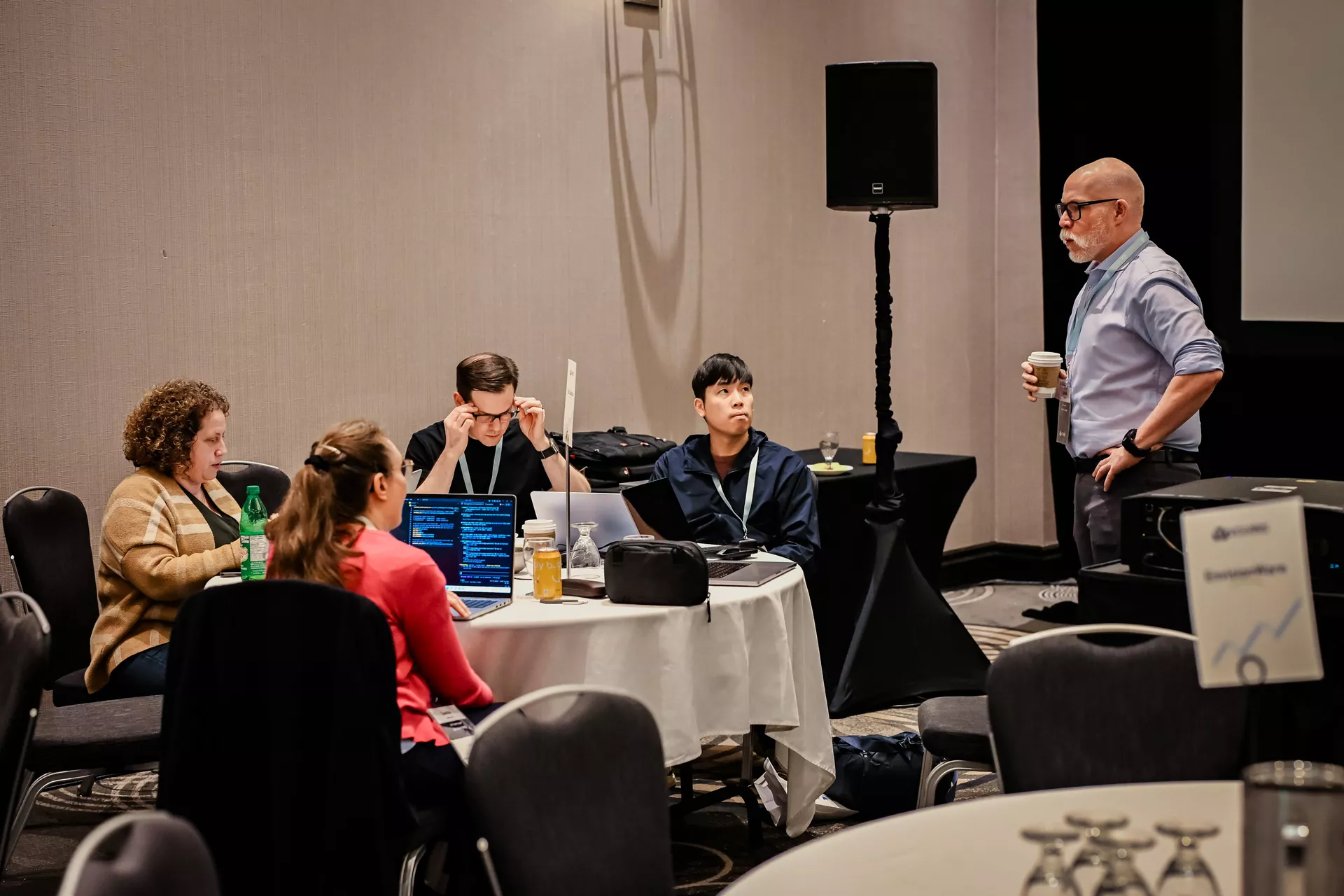
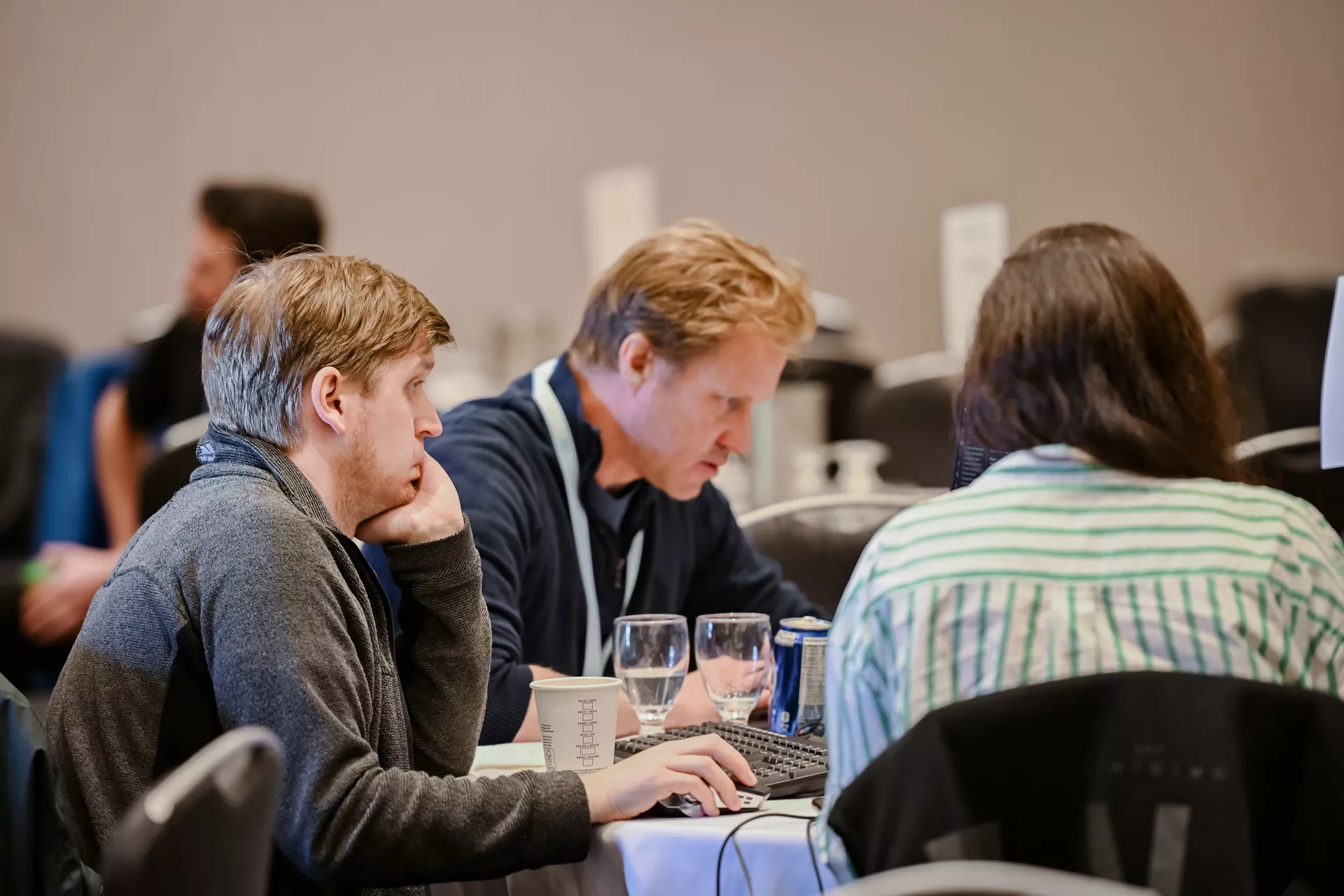
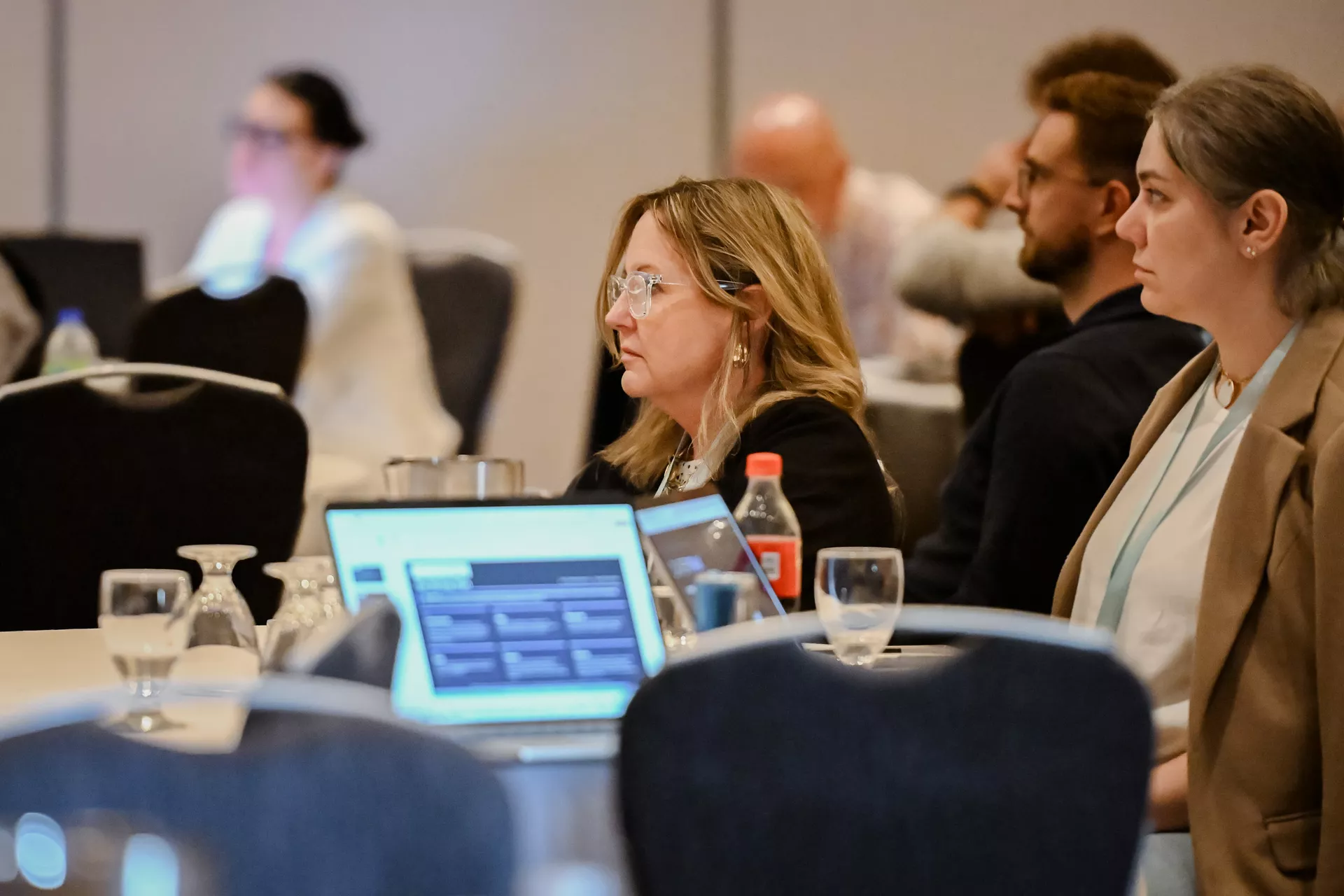
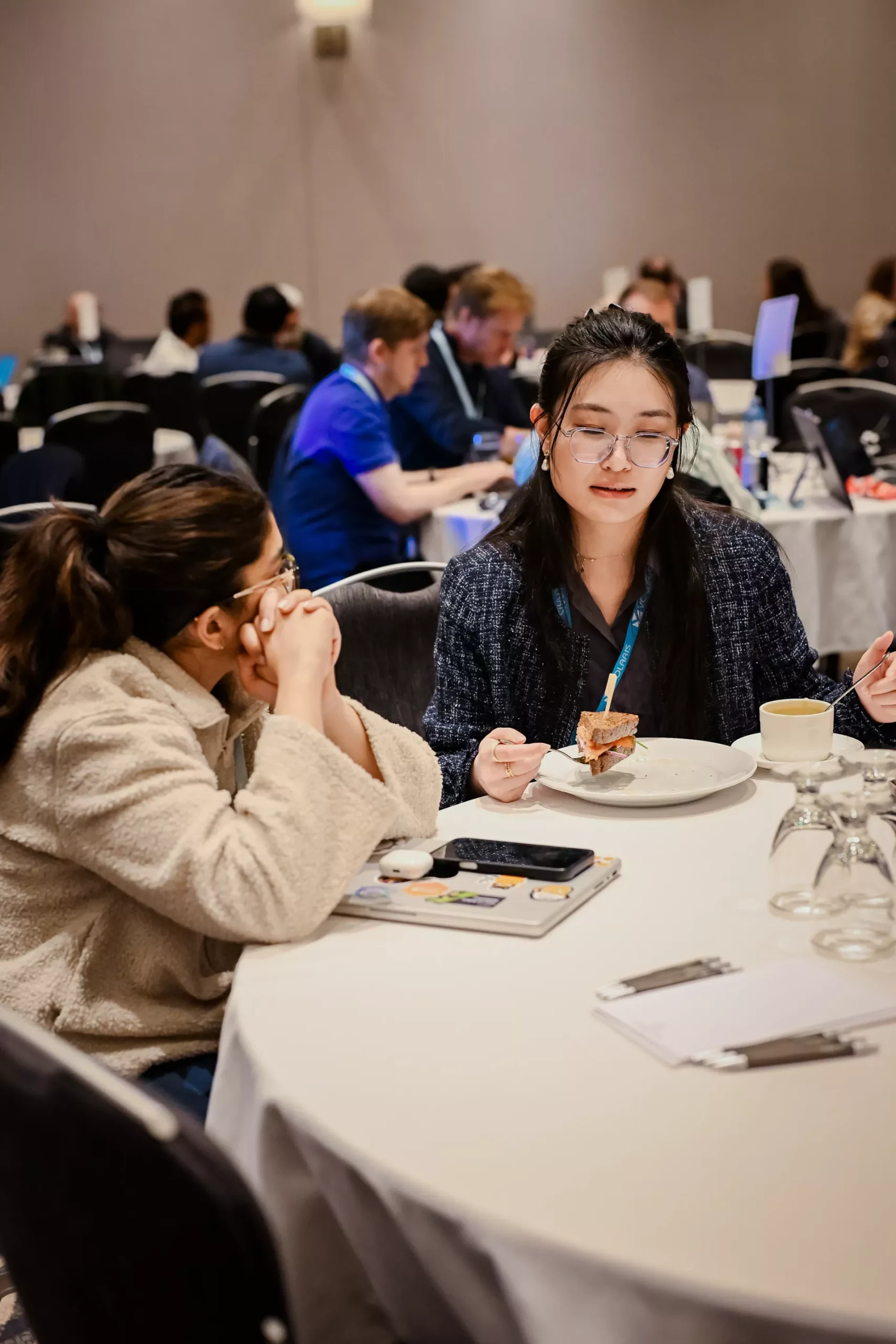
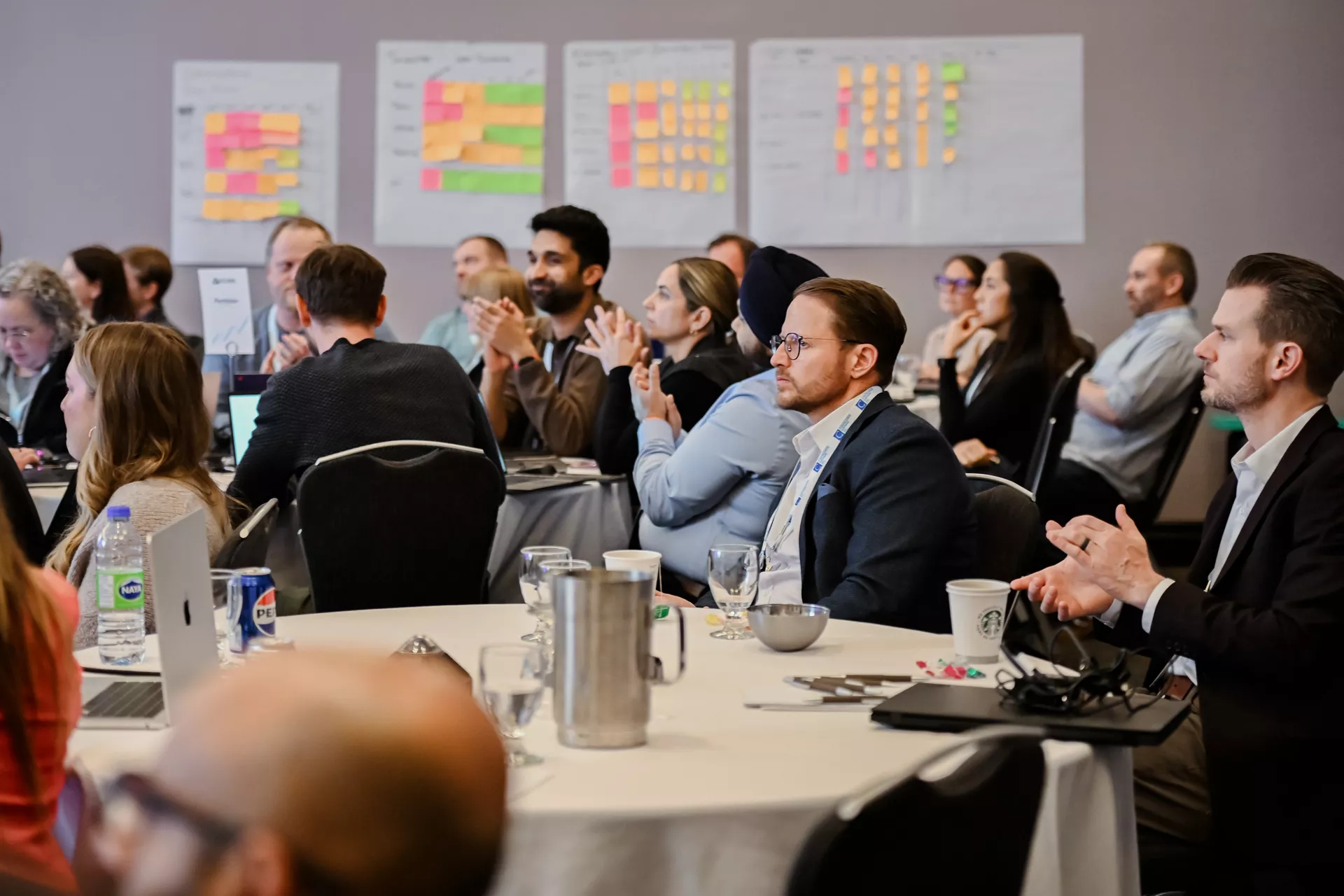
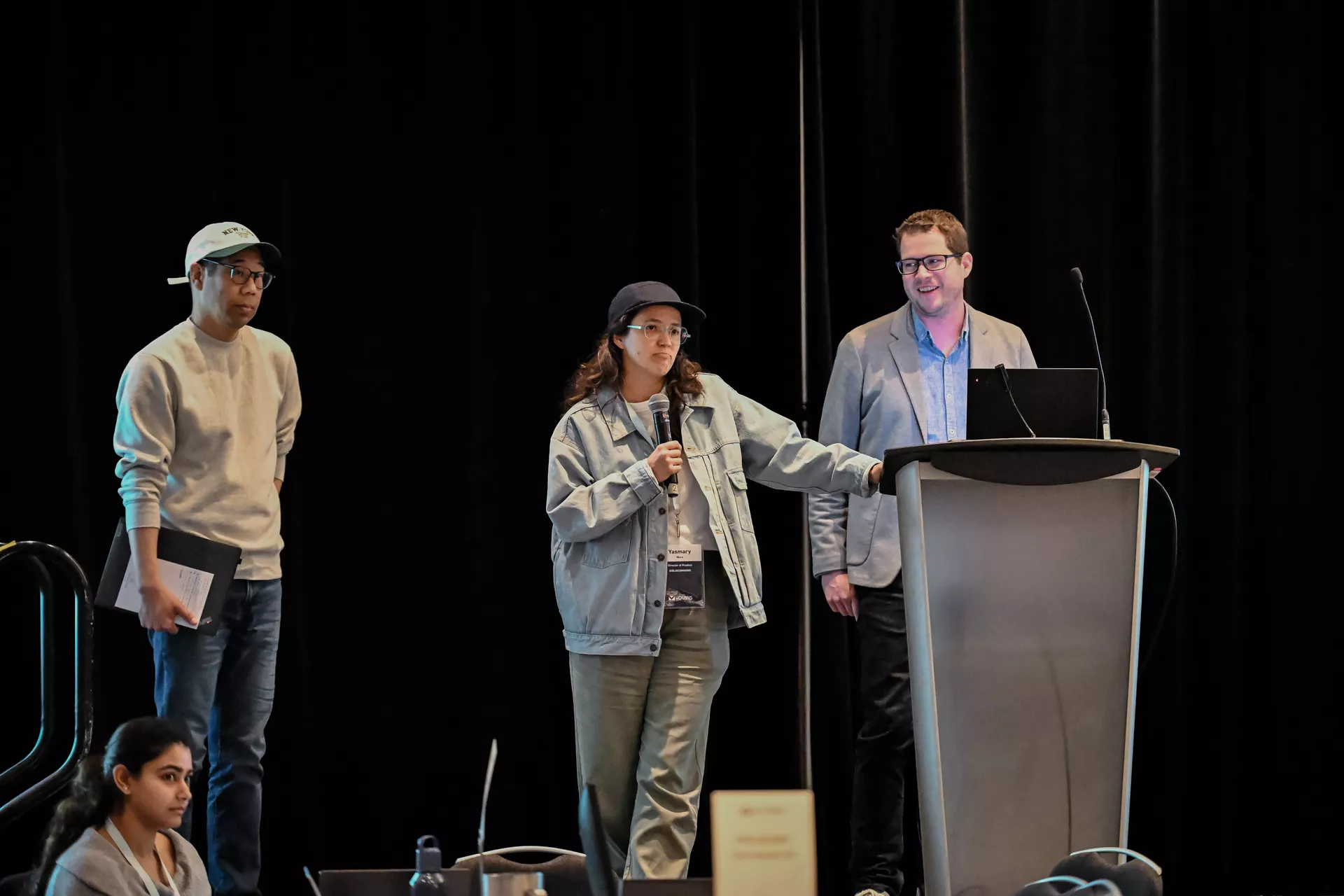
Working on the ground with business leaders, developers, and product teams during a series of six AI Accelerator sessions that ran between March and July 2026, they encouraged participants to pursue more innovative thinking and witnessed the types of transformations in people that create a foundation for organic growth within businesses.
By the numbers
- 6 AI Accelerators ran between March and July 2026 in Denver, Toronto, Vancouver, London, West Palm Beach, and Berlin
- 146 Volaris Group businesses participated in the program
- 1,200+ people were trained through the program
- 32 businesses attended the Berlin cohort, the largest session and final stop
They shared their lessons learned with Acquired Knowledge, including what worked, what surprised them, what was most rewarding about the whole process, and how the AI Accelerator moved Volaris Group forward as a company.
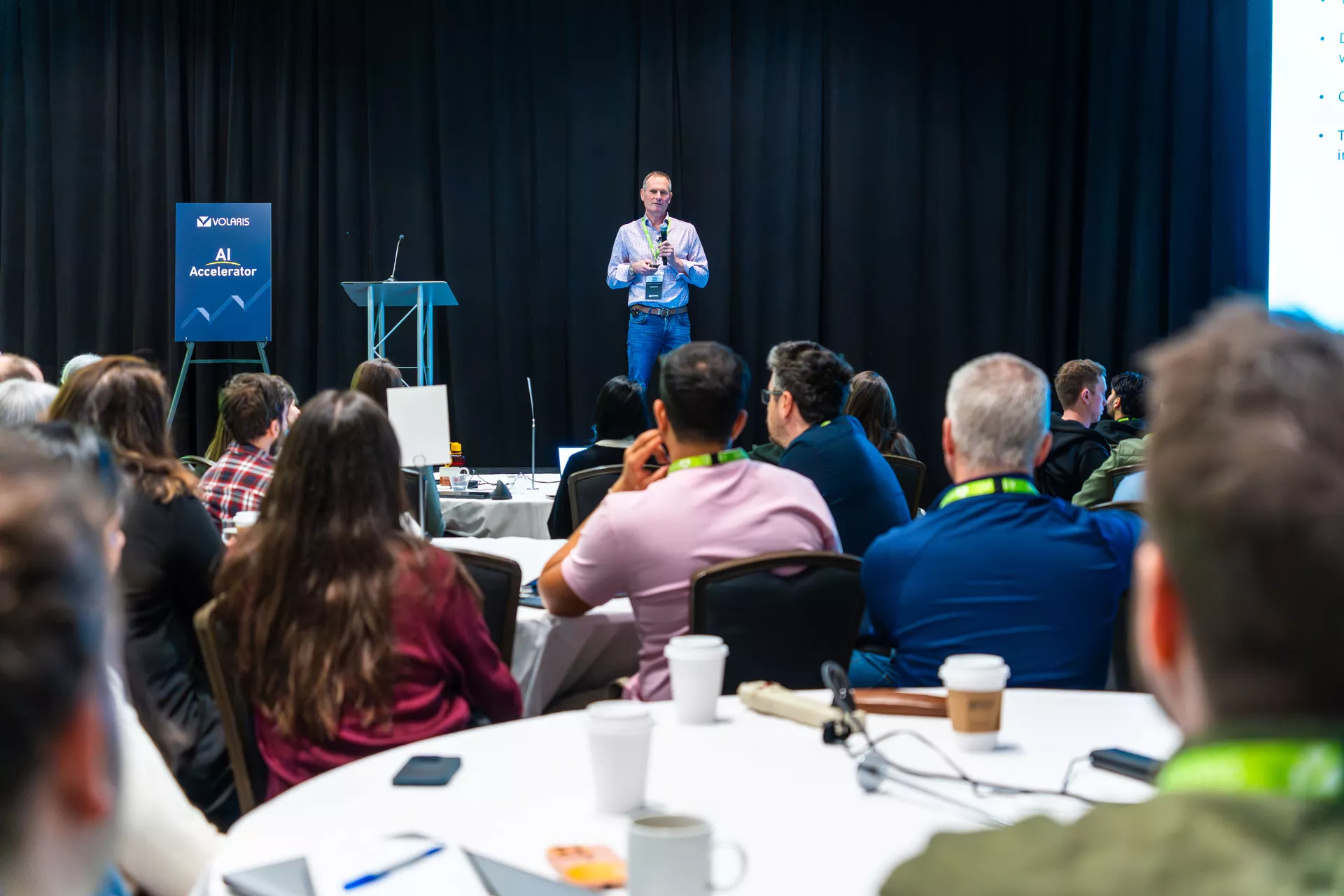
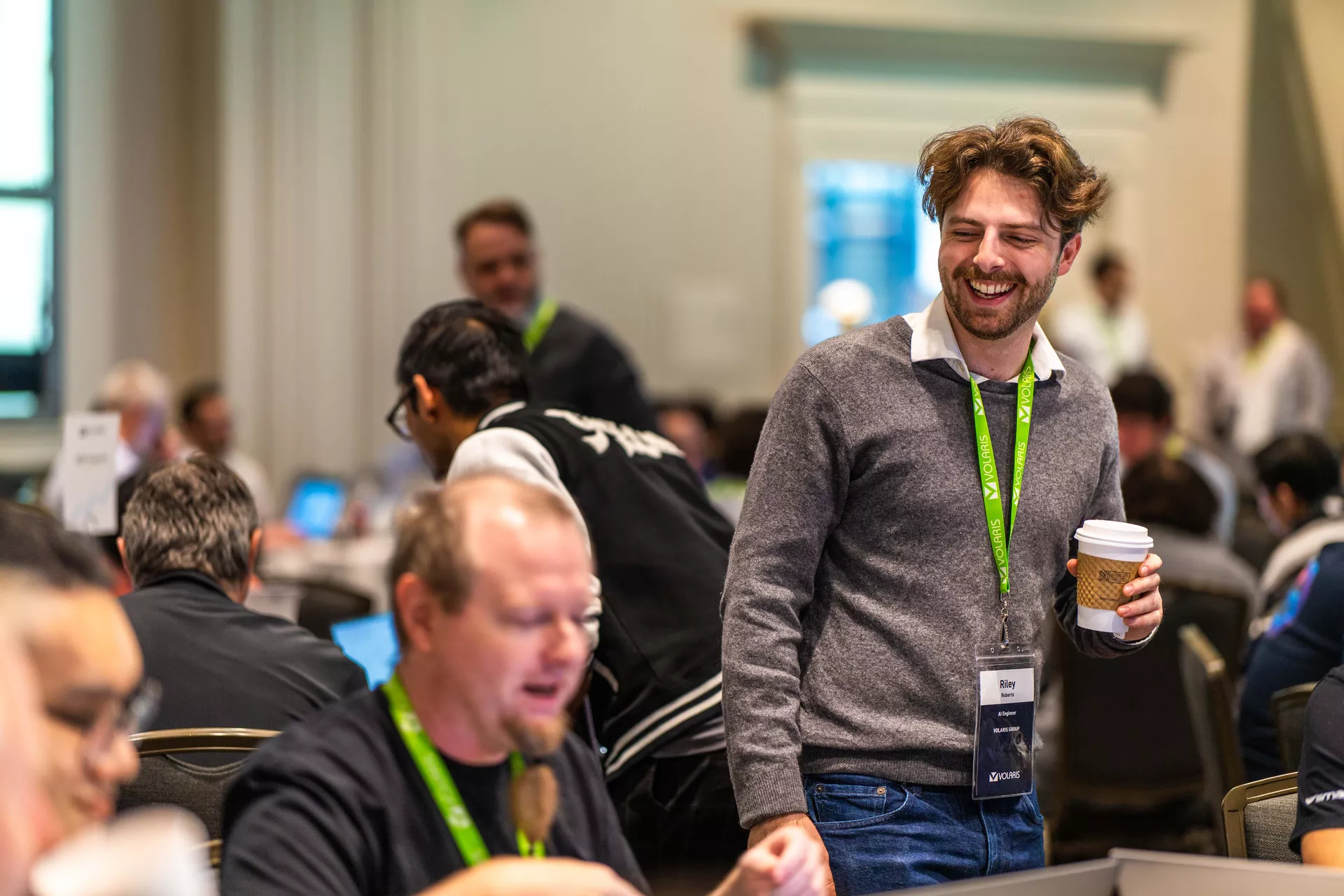
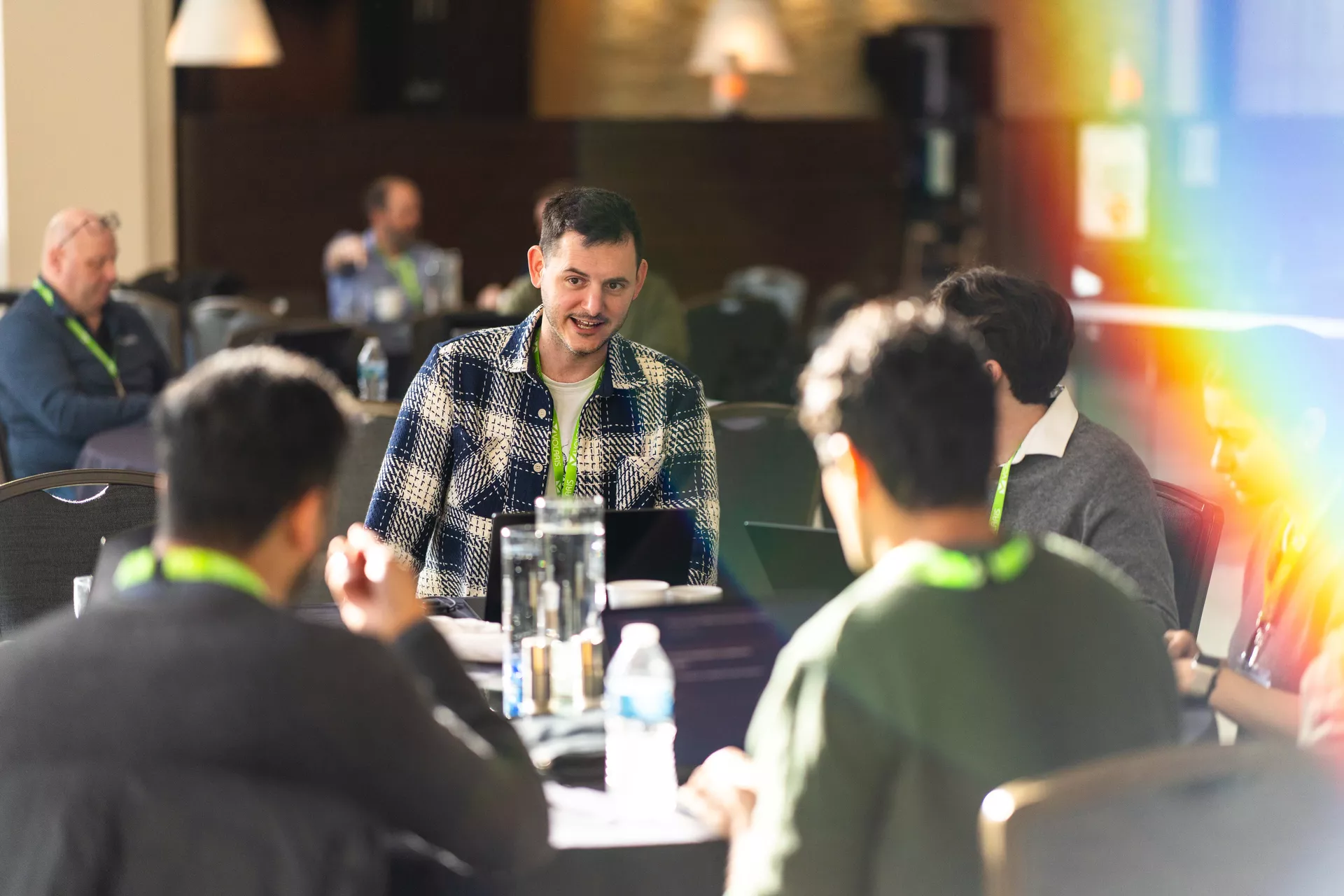
What have your key learnings been from the AI Accelerator program?
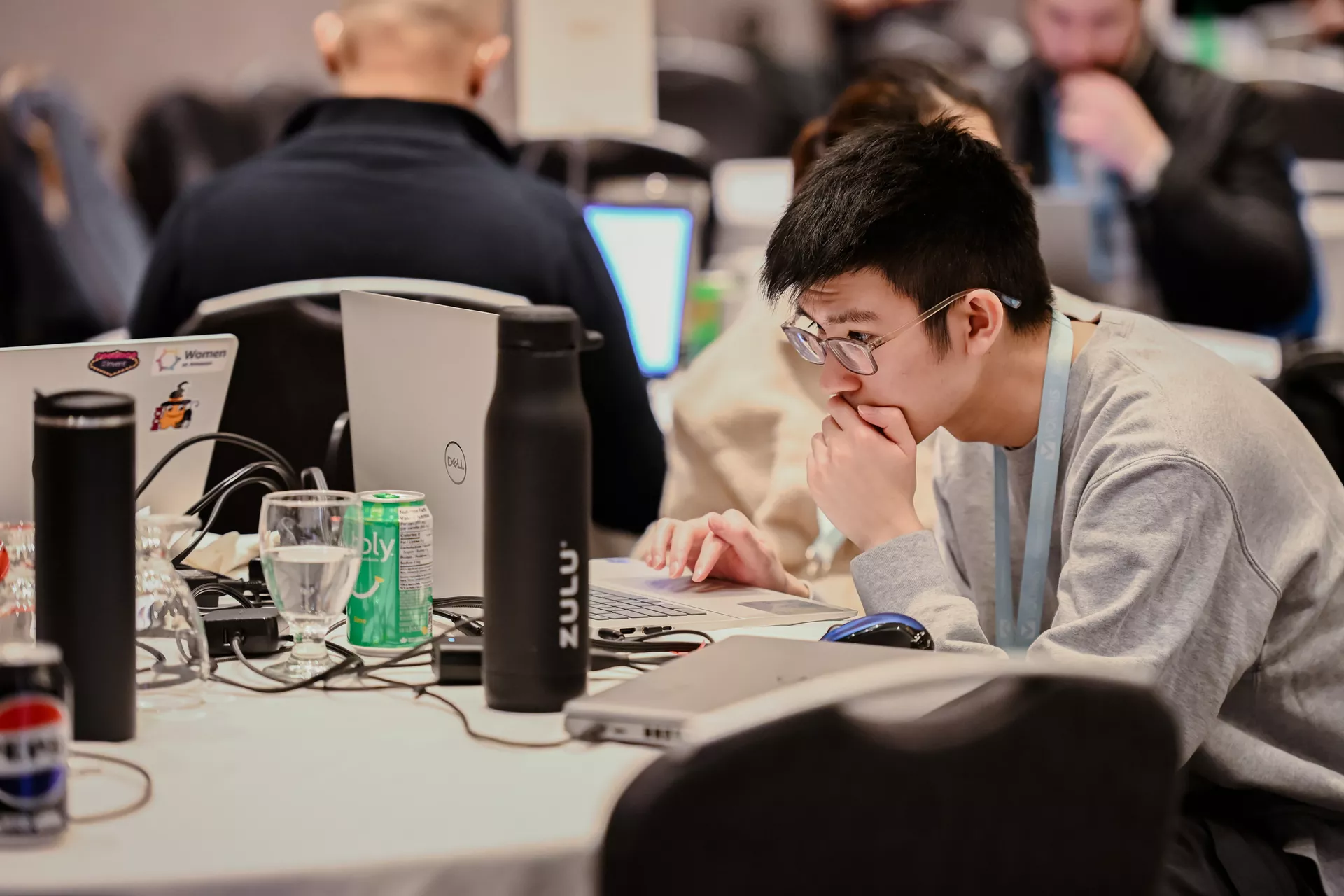
Riley Roberts: On our developer track, we’ve seen a real shift in both the baseline enablement people bring into the accelerators and how far we can push them by the end. Early on, people would come in asking, “What is AI? What are these programming tools?” By the later cohorts, teams were already using AI to develop code and wanted to know how to push best practices further. Because of that, we were able to move people from a baseline level of enablement to a much higher one within the same accelerator. The bottleneck has clearly shifted from how to build to what to build, and I like to tell people that it’s their imagination that’s the only limitation now.
James Whiting: On the product side, the programming landed really well, and people were engaged. But the transformation there represented a much bigger shift in role. Product in a lot of Volaris businesses has historically been tier-3 support, such as product experts managing tickets and backlogs. With this program, we’re asking them to think like founders and disrupt their own verticals. That’s a massive jump in mindset. The product track proved that AI could help businesses build almost anything into a prototype. The harder question is whether the idea itself is right.
If, for example, a business is trying to double its revenue in three years, the key gaps are customer validation and seeking out the real value that these new products or features are going to bring. That’s not a technology problem. It’s a fundamental shift in how people work and what talent looks like, and that takes more work beyond only attending the AI Accelerator.
Ellen Barss: After people have broken through the experimental stages of AI and unlocked new capabilities for development, the new focus is on producing something that is valuable. I’d add that a lot of the program’s impact has been about meeting people where they are. For teams just starting out, the accelerator demystifies AI, and for teams already on the journey, it accelerates them. And the program has moved beyond tool adoption into how each department and leadership need to change.
The product track proved that AI could help businesses build almost anything into a prototype. The harder question is whether the idea itself is right.
-James Whiting, Business Transformation Lead, Volaris Group
Tell us about the leader track. How did it initially start, and how has it evolved since then?
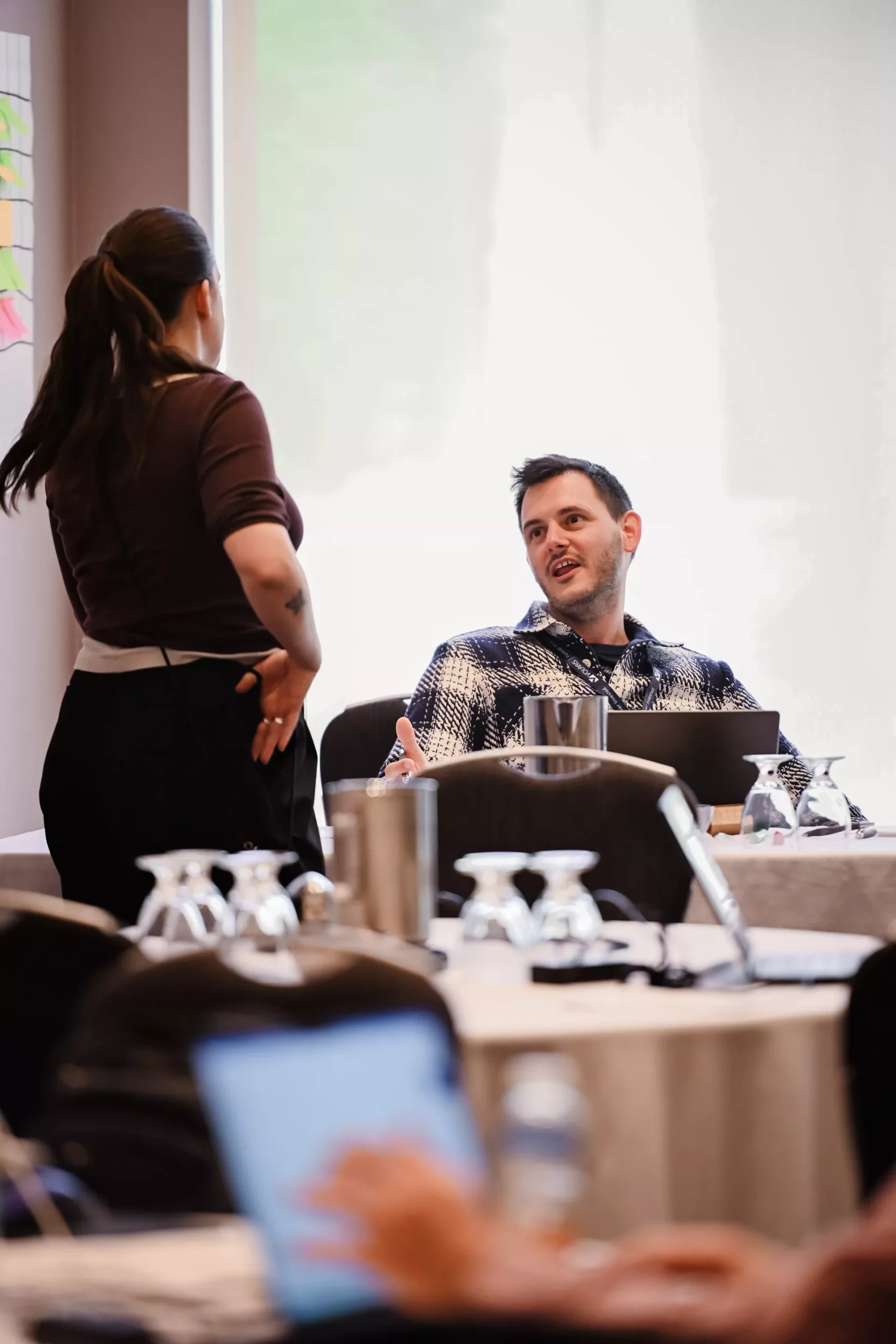
James Whiting: After the first AI Accelerator in Denver, our VP of Business Transformation, Chris Wildsmith, pushed for a more robust leader track. The first version of the leader track featured vendor talks and light prompting sessions, but we wanted to do more. One of the most powerful things we saw was leaders in the product room, hands-on, prototyping alongside their teams. We wanted to build on that and create space for leaders to talk through challenges specific to them — things like talent and building “T-shaped” skill sets in their employees, and our VP of Talent, Rebecca Nemaric, led a session about those topics.
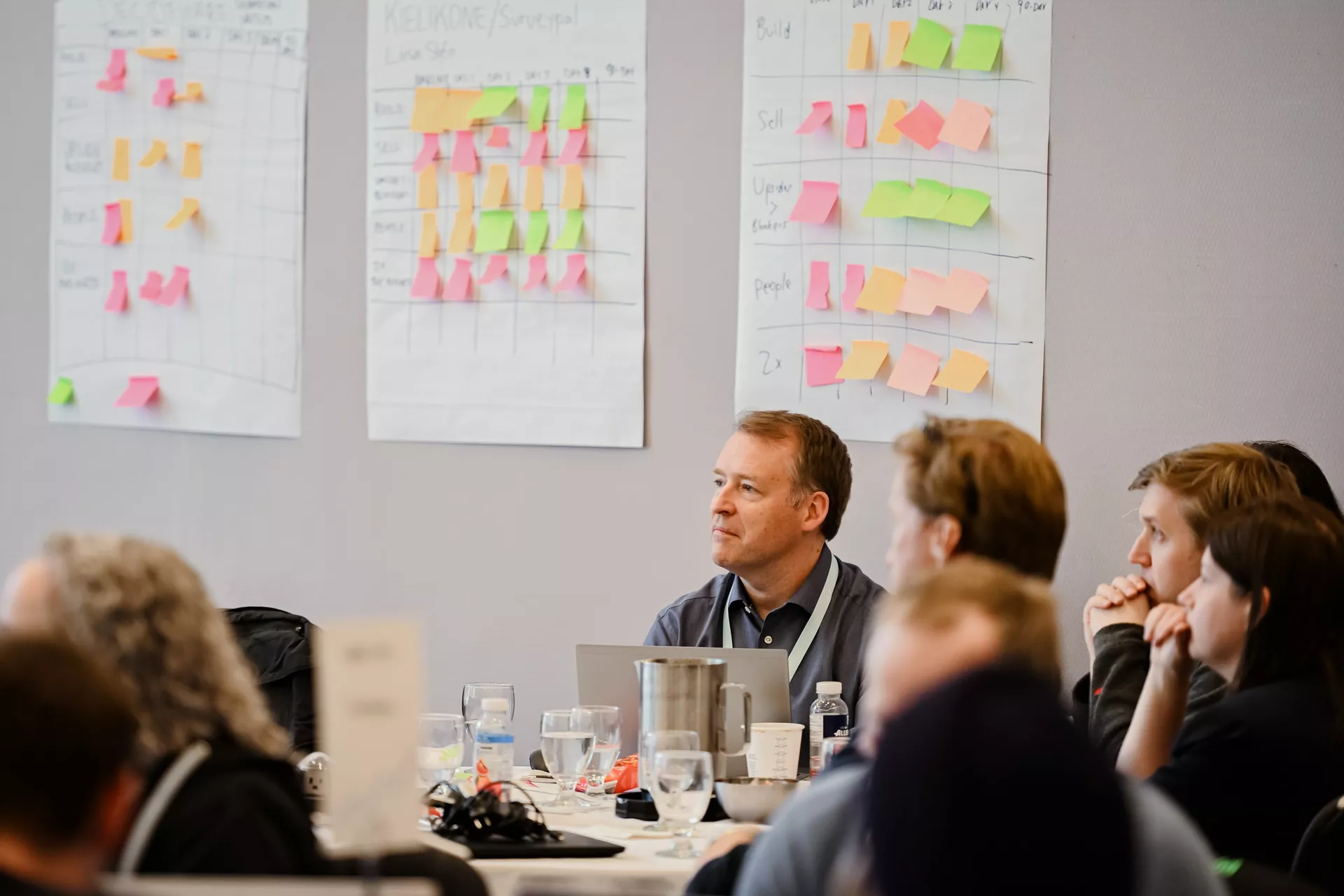
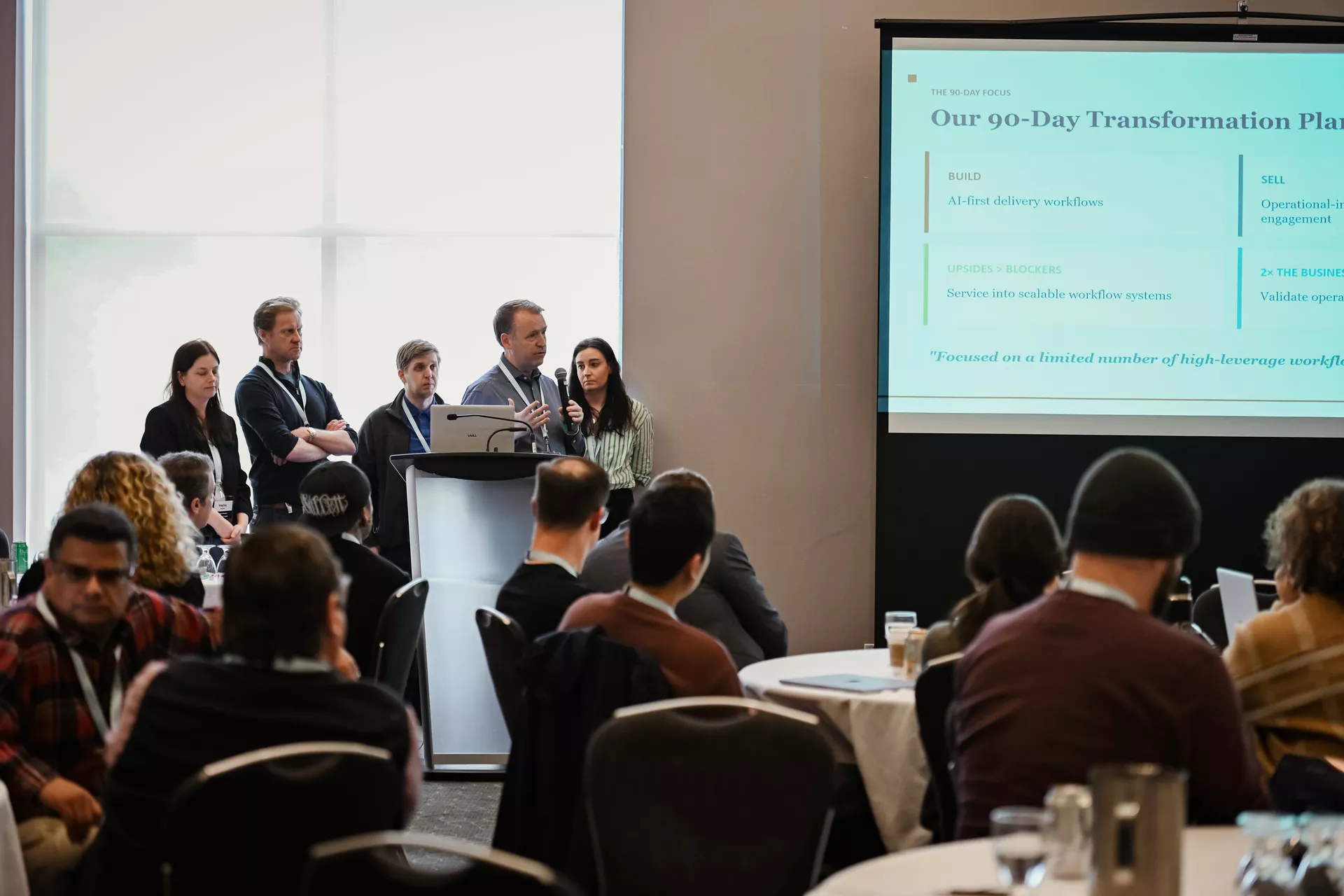
Ellen Barss: An early proof point we got was that teams that brought a leader through the product track moved noticeably faster afterward than teams that didn’t. It also surfaced questions that the product and developer tracks alone weren’t answering, like how AI could affect their people and finances. The leader track became the place to work through those questions, and also to think about sustaining momentum after the event, including a 90-day plan that participants take back to their business.
Teams that brought a leader through the product track moved noticeably faster afterward than teams that didn’t.
-Ellen Barss, Business Transformation Specialist, Volaris Group
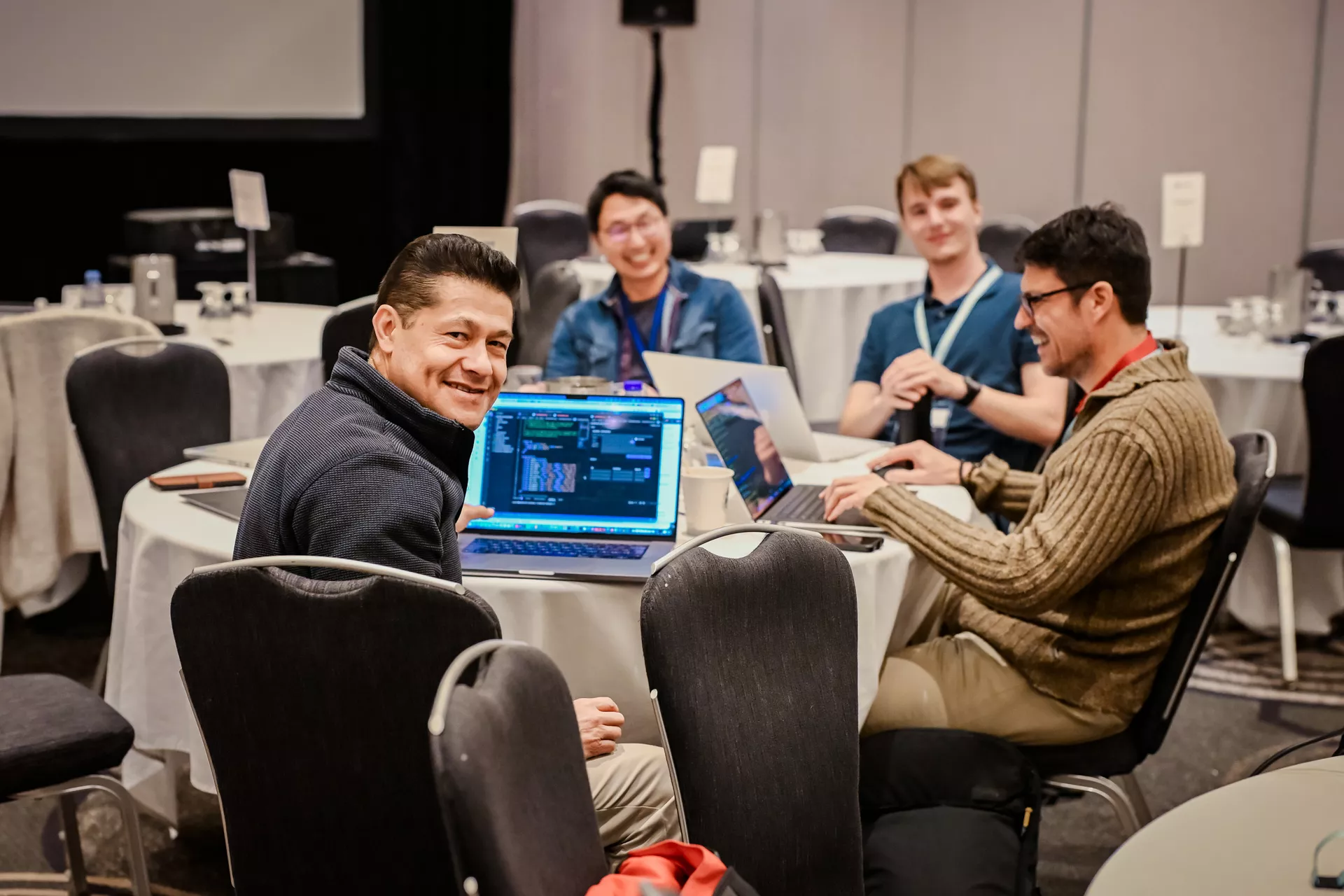
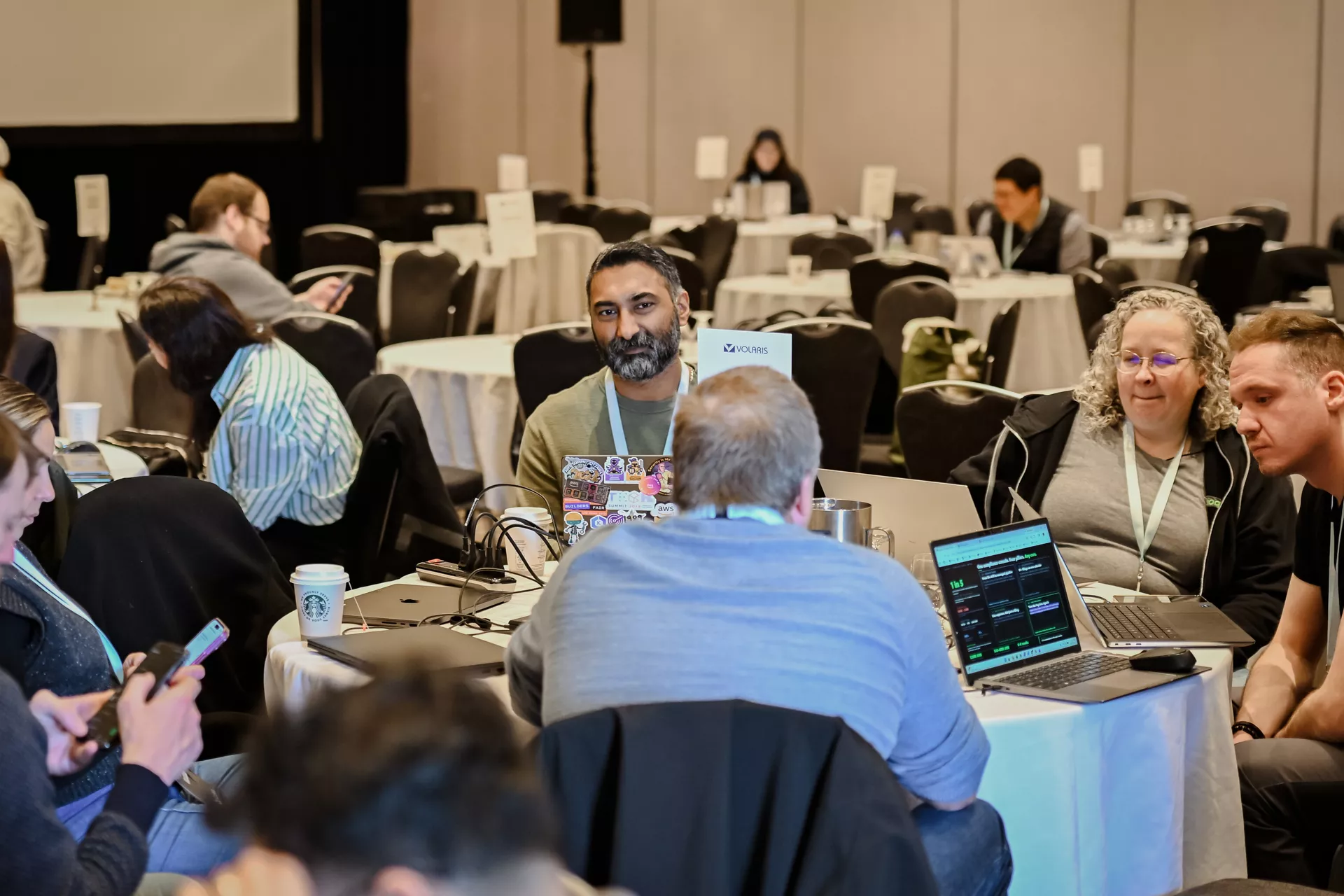
Your team brought in additional coaching for leaders. What did that offer, and how did it help sustain participants’ momentum after attending the AI Accelerator?
James Whiting: Tied to that 90-day plan, we also brought in Skillsoft, a skills management platform to run an external coaching program that would extend past the week we spent in person. After the event, we ask ourselves, “What happens the day after they return from the program?” The accelerator is intense during the week that people are there, but they go back to a stack of catch-up work and have to figure out what to keep building. What we can do is give people the space to experience new tools and ways of working. We’re facilitating, holding up a mirror, offering frameworks. They still have to do the work.
Ellen Barss: After our first AI Accelerator in Denver, every leadership cohort had a dedicated Skillsoft coach who attended the accelerator in person, sat in on the leader track all week, and built relationships with the GMs and leaders in that cohort. Their role is purely leadership coaching, both as a group and one-on-one, to support the leaders as they work through their 90-day plans after the event.
Everyone goes back to competing demands and business as usual, but the teams willing to break down their existing structures and change how they work are the ones we’ve seen keep going.
-Ellen Barss, Business Transformation Specialist, Volaris Group
What distinguishes the teams that continued to make progress during and after the AI Accelerator from teams that stalled?
Riley Roberts: Open-mindedness and flexibility were hands down more important than technical ability during the AI Accelerator. We had a great example of this in Vancouver with one company that didn’t bring a single developer. Instead, they sent a group of water engineers who told us upfront they didn’t really know what was going on. By day three, they were one of the strongest teams in the whole cohort, because they fully committed to engaging with the material. Given how fast the technology is moving, flexibility matters more than where your technical skills start.
Ellen Barss: After the AI Accelerator, mindset has been the critical factor for what happens. Everyone goes back to competing demands and business as usual, but the teams willing to break down their existing structures and change how they work are the ones we’ve seen keep going. Having someone, often the leader, who champions the change and protects space for the team to keep exploring has made a real difference. We’ve also seen encouraging signs, such as teams taking prototypes to customers after they leave the AI Accelerator, and in a few cases, that’s already opened up new conversations to our businesses about AI.
Teams leave with a toolset that carries them and their company forward. In some cases, that’s the difference between a company just surviving and one that’s set up to thrive.
-Riley Roberts, AI Engineer, Volaris Group
How important were the coaches to the success of the AI Accelerator, and how did you go about selecting and pairing them with each business?
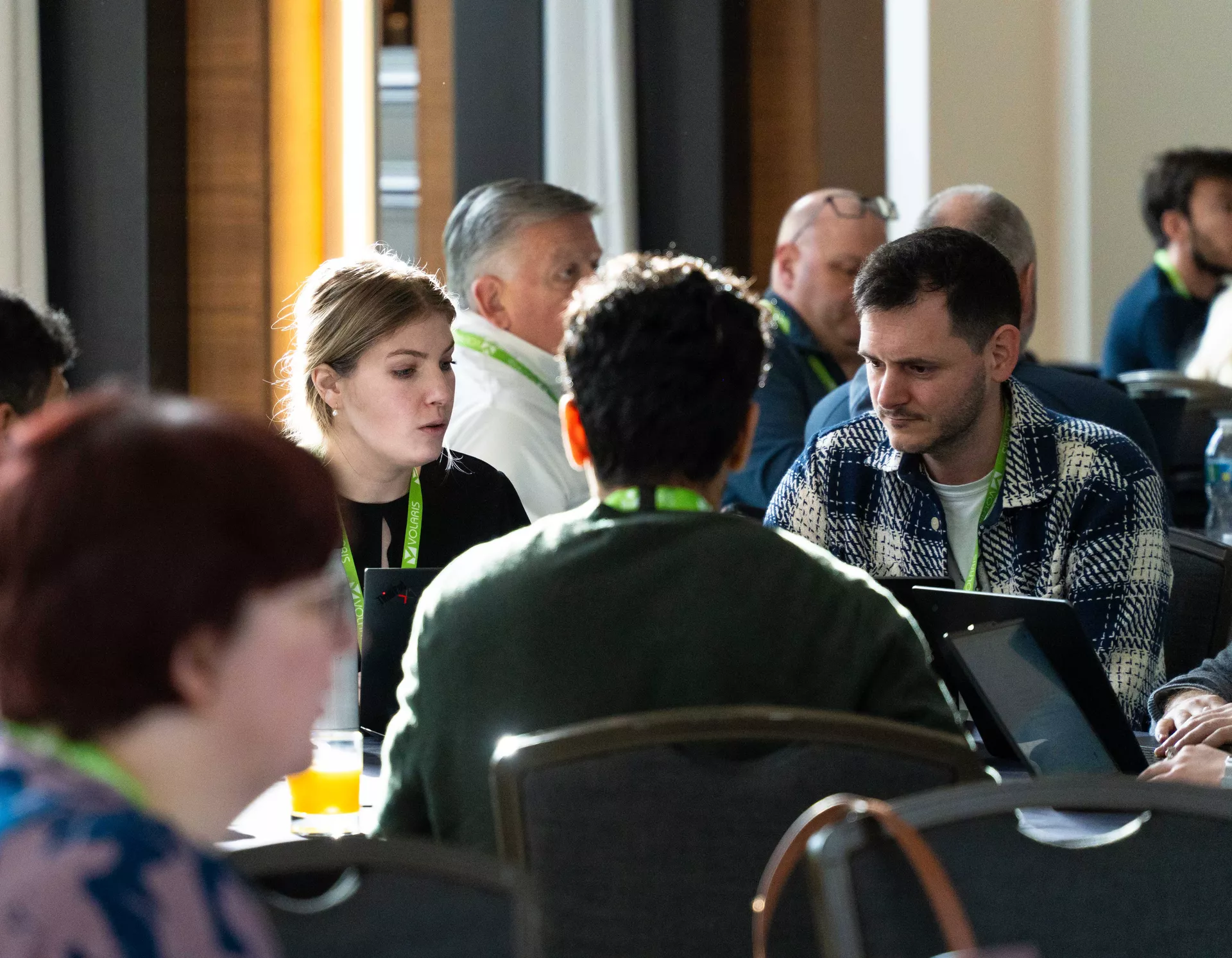
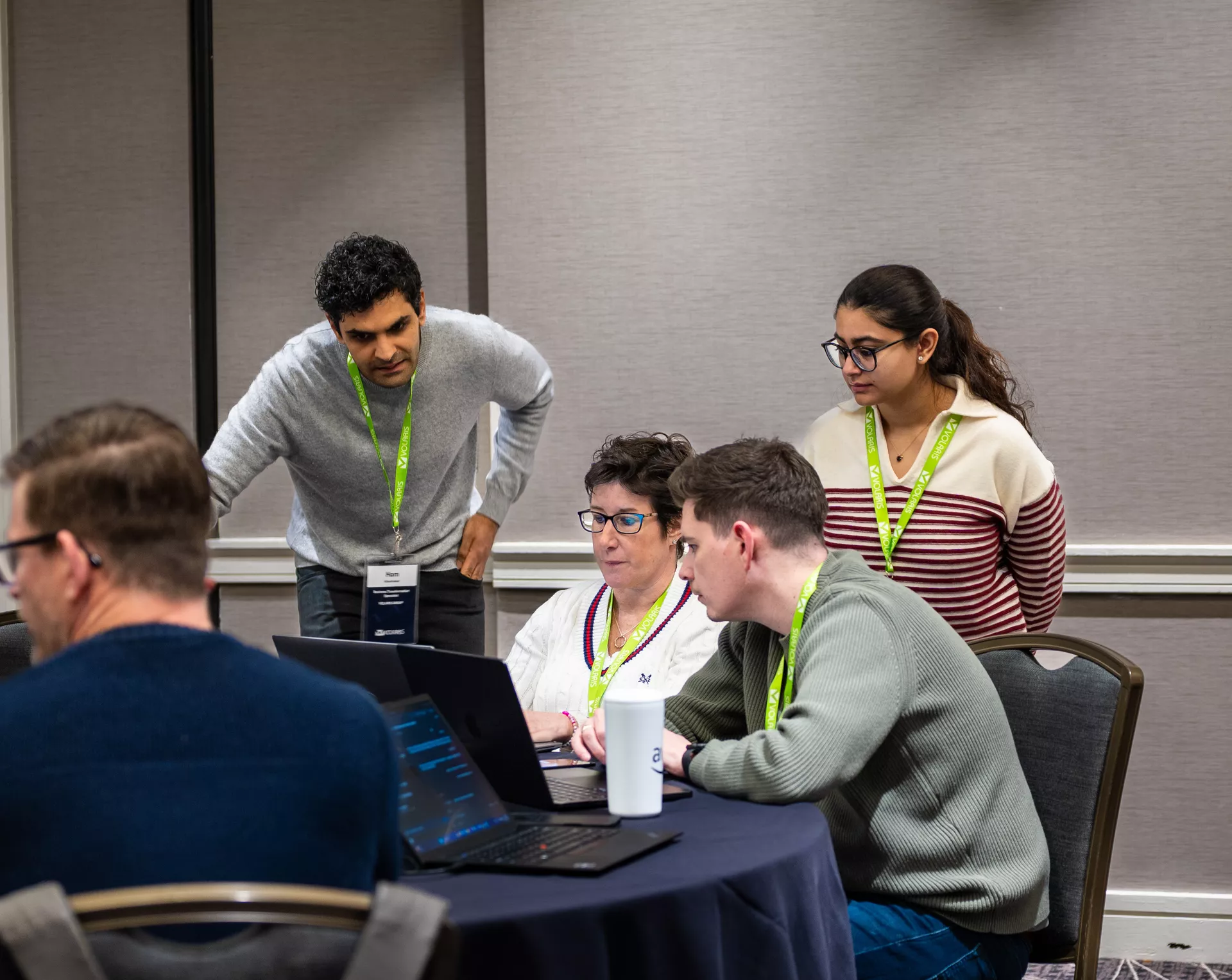
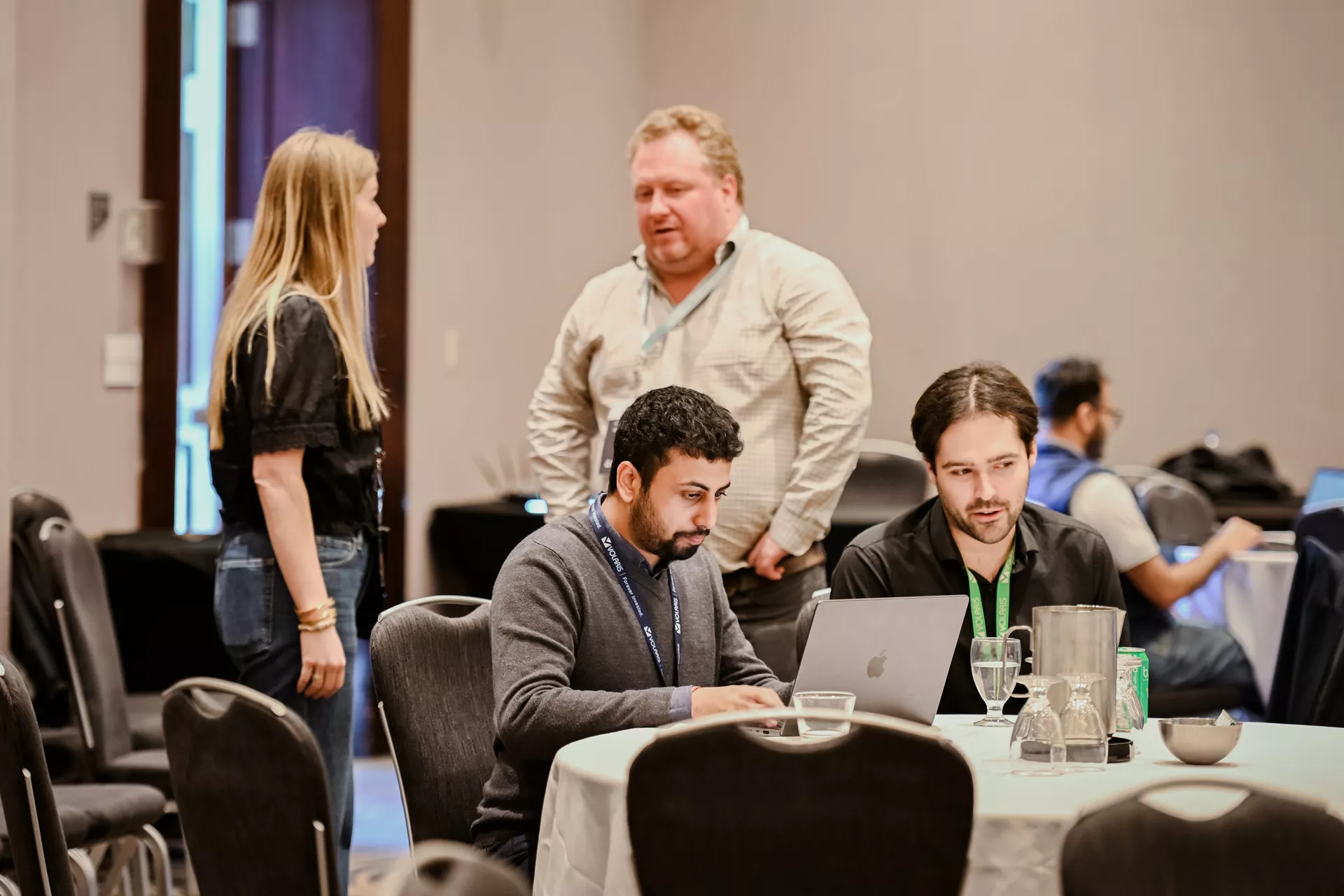
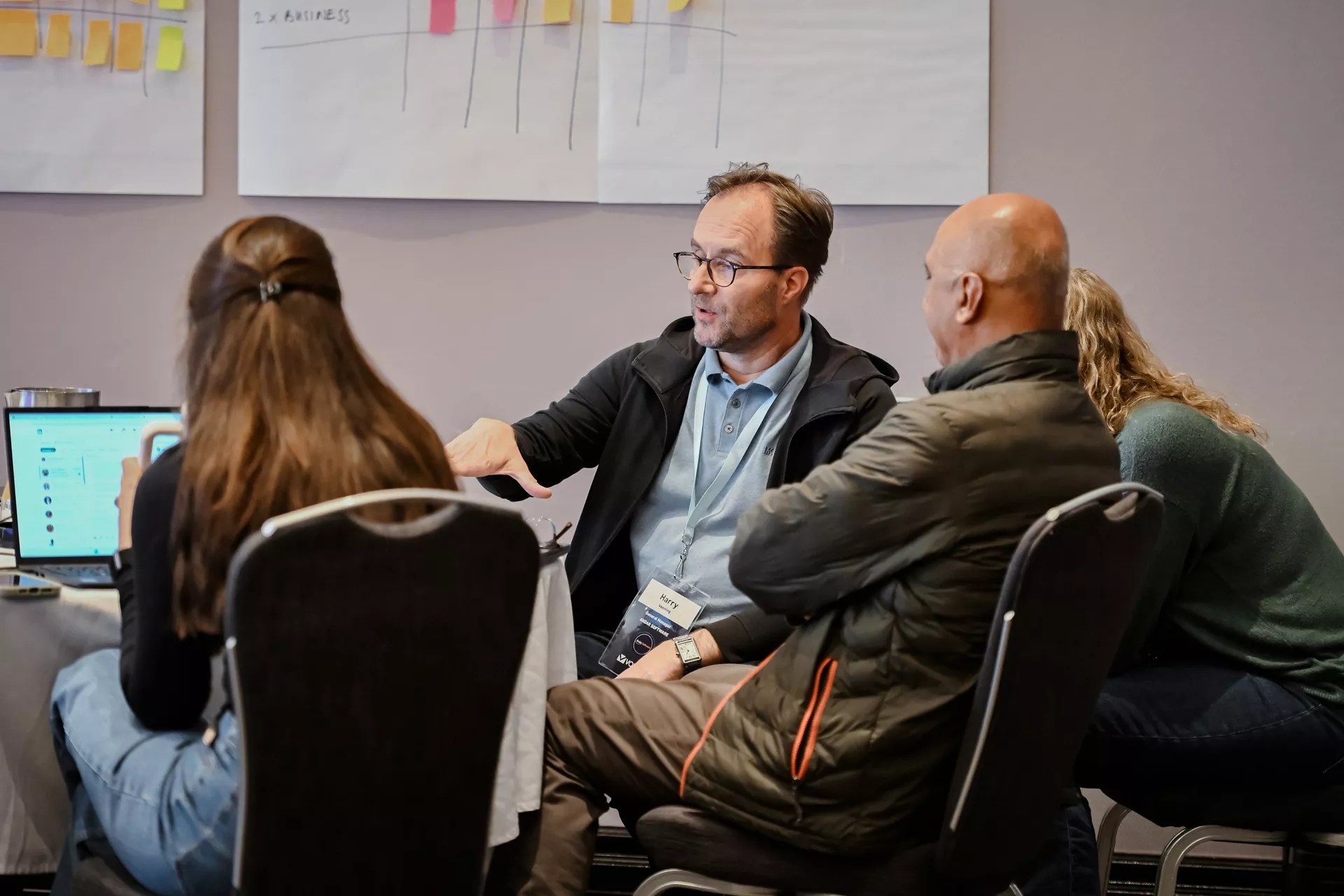
James Whiting: Enormously important. It stopped this from being a conference where people watch a slide deck about how great AI is. Instead, people had coaches checking in individually the whole time. We couldn’t have done this without them. One thing that worked really well was bringing back people from earlier accelerators as coaches for later ones. It helped to have someone say, “I’ve been in your place in another Volaris business,” which lands very differently than us standing at the front presenting.
When selecting coaches on the developer side, we worked with our external partners and took as many coaches as they could send. For product, we selected coaches by asking portfolio leaders and AI leads who would be most suitable for the event.
Riley Roberts: On the developer side specifically, we paired coaches with businesses in advance based on tech stack and culture rather than assigning people at random.
Ellen Barss: Beyond our external partners, the Volaris portfolios each have dedicated AI leads or teams, and many of them attended our events and went beyond just observing. They served as coaches themselves across the developer, product, and leader tracks. Their work is an example of how AI capability is developing and expanding across the Volaris network.
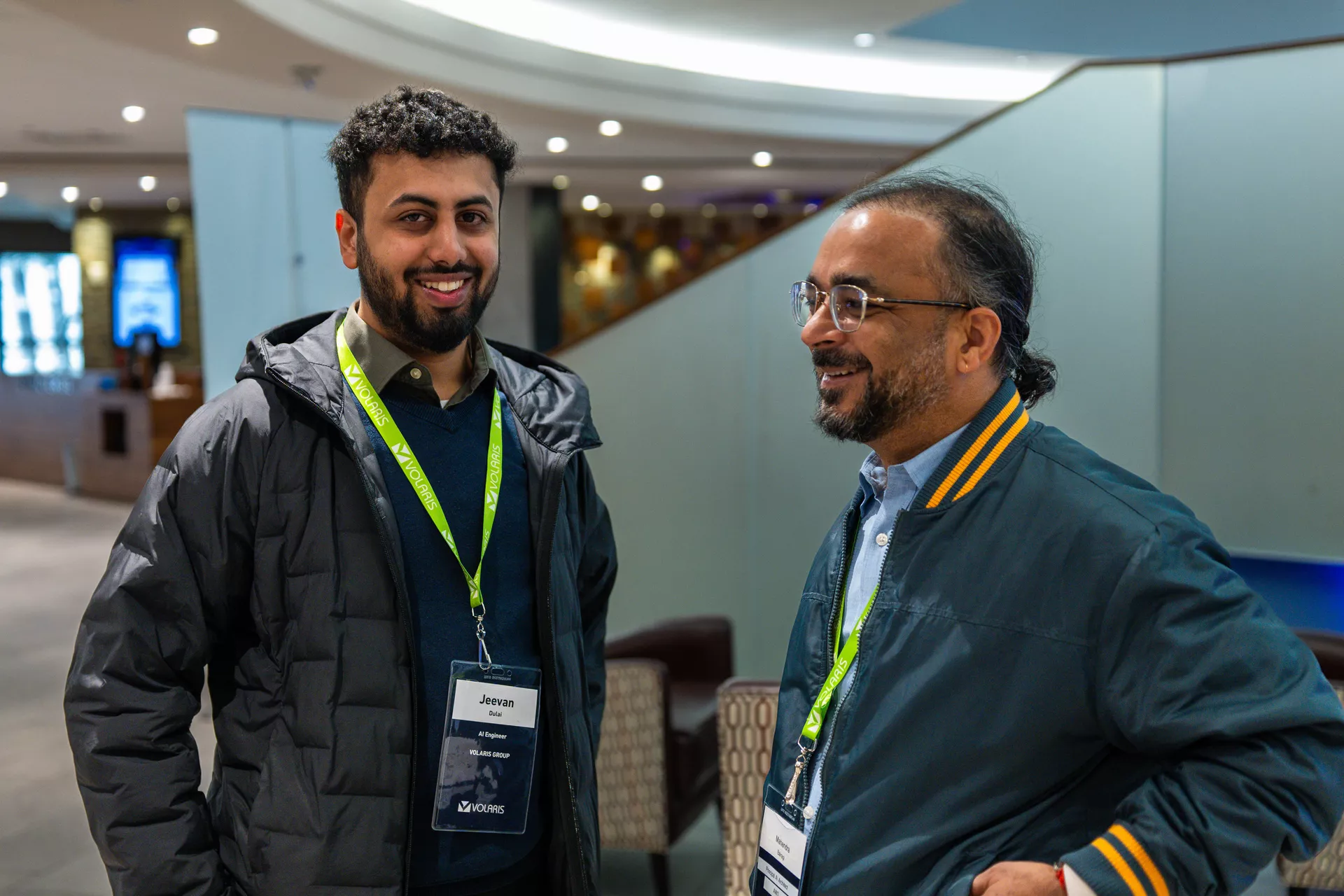
Jeevan Dulai: Our partners also kept a consistent group of coaches across multiple accelerators, so as the program evolved, those coaches understood the values and approach we were trying to convey.
Ellen Barss: We also had to think about language and culture across regions. In West Palm Beach, with a lot of Brazilian companies attending, having Portuguese-speaking coaches made a real difference to engagement. We saw the same with French- and German-speaking coaches in Berlin, though we didn’t always have every language we needed.
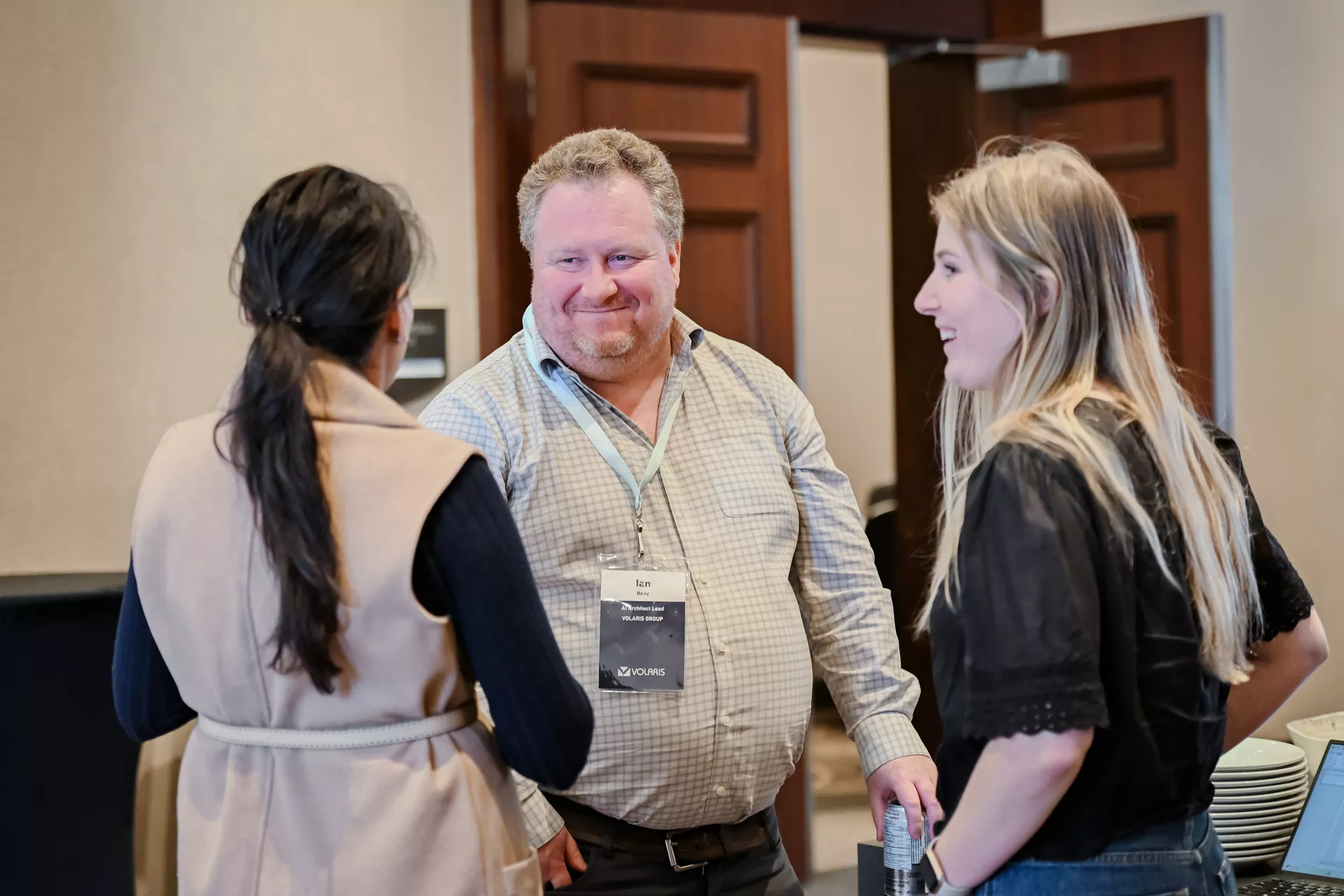
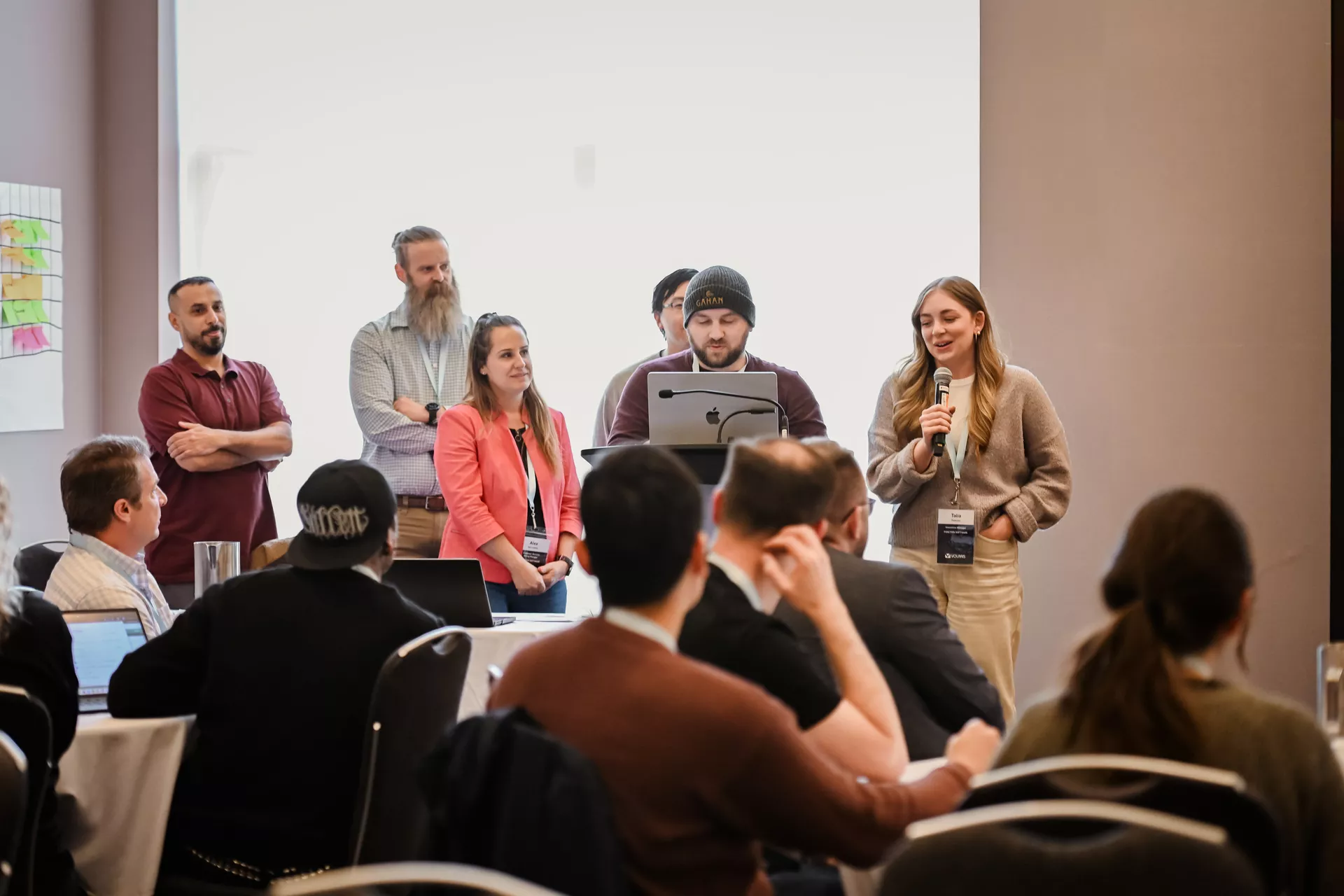
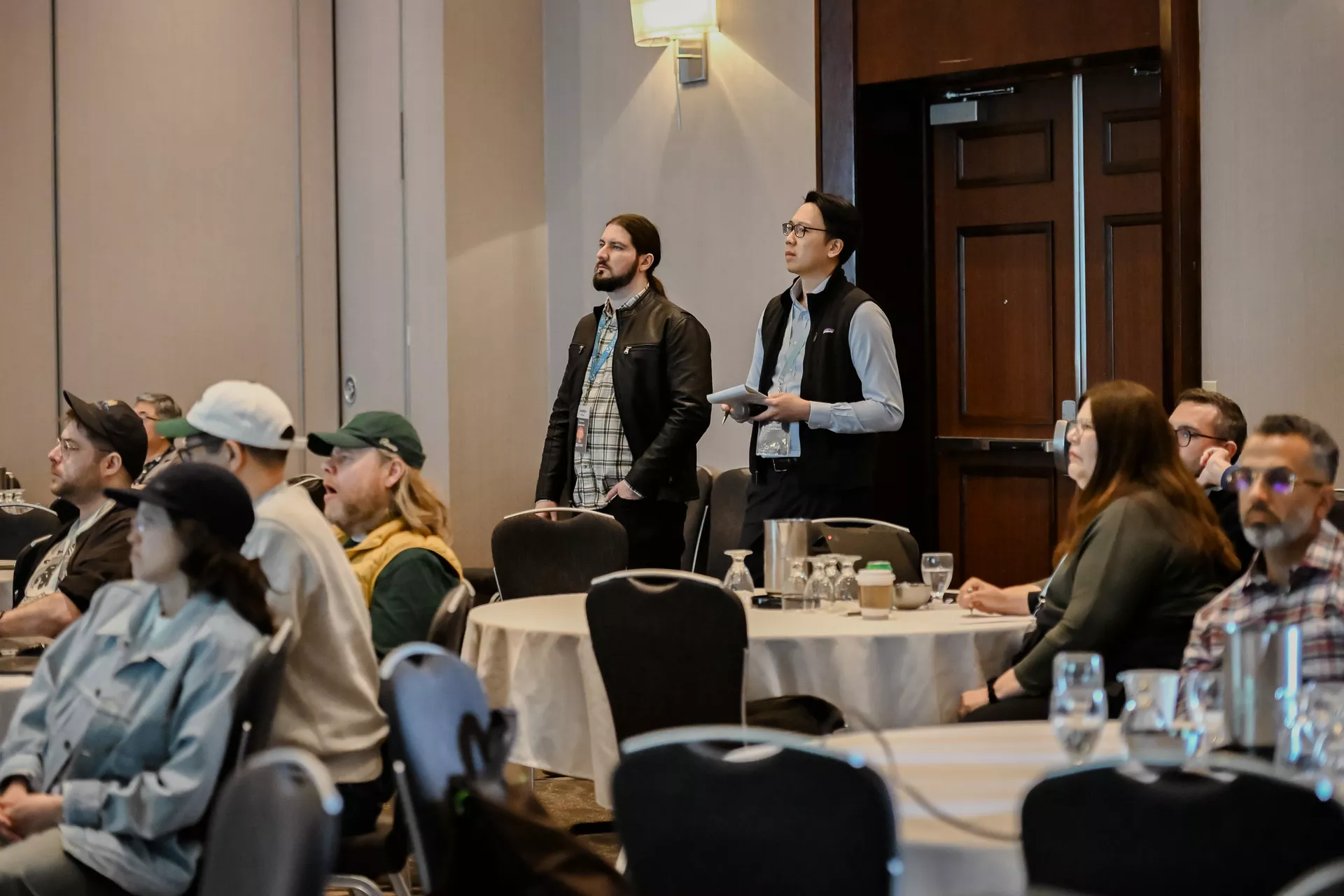
What has kept you all going through such an intense program?
Ellen Barss: Watching a team’s mindset shift over the course of a single week is rewarding, and it sets you up for the next event, even though each one is a rollercoaster. The team dynamic we’ve built has also mattered a lot. Having people on your team who you trust and enjoy working with makes being away from home roughly half the time much easier.
James Whiting: It was never boring to meet hundreds of people at Volaris businesses across every kind of vertical you can imagine. Ultimately, the feedback we got back was overwhelmingly positive, and that’s what sustains you when you’re doing this for the businesses.
Riley Roberts: For me, it’s the impact on people’s lives and careers. Teams come in with no experience in AI-driven development and leave with a toolset that carries them and their company forward. In some cases, that’s the difference between a company just surviving and one that’s set up to thrive.
As we’ve heard from the team in this Q&A, the work doesn’t end after the AI Accelerator. It’s only the beginning. Teams walk away from the intense week with proof of concepts, early customer conversations, and in some cases, products that they can launch. But what they do next is where the real test begins.
After getting a running start from the bootcamp, the businesses are responsible for turning momentum into results. We’ll be watching closely to see how the Volaris businesses who have participated in this program carry the work forward, and keeping an eye on the impact across the Volaris portfolio for the rest of 2026 and going into 2027.