











Are you a leader looking to improve your cross-generational IQ at work? Here are three key ideas to guide your journey
As new members of the workforce enter the job market each year, people leaders and teams frequently need to re-learn to collaborate across generational gaps.
“Understanding generational differences gives us a strategic advantage,” says Paula Summers, a longtime human resources leader who has worked with several groups and businesses within the Volaris network. “It helps tailor leadership approaches, create inclusive environments, and ultimately get the best out of their teams.”
Below, she and one more leader within the Volaris community give their advice on how leaders in the workplace can better adapt to different generational working styles.
1. Flexible leadership is the future
“The most effective leaders know when to adapt their style, whether that means giving more structure, offering autonomy, or shifting how they give feedback,” says Summers. “Understanding the preferences of each generation can guide the way you adapt.”
Being a flexible leader can mean adapting the way you lead or adjusting workplace conditions. For example:
- Do your employees respond well to a less structured, flatter hierarchical environment versus a more structured, authoritative environment?
- Do your employees prefer email versus Slack or other communication tools?
- How frequently do your employees want or need feedback?
- Does your benefits package reflect the values of the employees you would like to attract and retain when it comes to retirement, holiday, or wellness benefits?
- What do your employees consider to be a rewarding career development opportunity – the ability to hone new skills, or to mentor others?
Just because one generation views something less importantly than you do, doesn’t necessarily mean it’s a bad thing. It’s just a different viewpoint. And when you add up all these different viewpoints, that’s where you get the best sort of consensus of direction and what to do and where to go.
-Andrew Gould, General Manager, Squirrels (a Volaris-owned company)
2. Psychological safety bridges generational gaps
“Regardless of age or experience, people thrive when they feel safe to speak up, be themselves, and make mistakes,” says Summers.
Wise leaders realize that when it comes to understanding the needs of their people, they can’t know it all. By using open communication and an open mind, leaders can listen to their employees’ needs and create an inclusive environment that fosters a sense of psychological safety.
“Leaders who create inclusive, open environments will naturally support generational collaboration. Generational labels can help us understand trends, but the real impact comes from seeing and treating people as individuals,” says Summers.
A major business advantage of creating an inclusive workplace is that employees may feel more comfortable sharing bold ideas that stretch the current thinking of the team, especially if they know they won’t be penalized for sharing an unconventional idea. Inclusivity creates a foundation for a more creative and innovative team.
3. Encourage an environment of shared learning and mentorship
Multi-generational workforces have the potential to leverage a broader skill set, particularly when teams are built from members from diverse generational backgrounds. New viewpoints can create a foundation for innovative ideas within the business.
For example, businesses can gain insight into a customer demographic through their employees. For Andrew Gould, General Manager at Squirrels, a Volaris-owned business: “Gen Z is going to become the main customer we’re selling to in five to ten years, so we need to make sure that what we’re offering lines up from a product perspective, and that the way that we speak to them resonates. We don’t want to sound like our parents talking to us when we were younger.”
Practicing mentorship can also create opportunities for emerging leaders as they practice knowledge transfer within an organization.
“Mentorship is rarely a one-way street. Mentors often gain just as much from the relationship as the mentee by learning about new technologies, fresh perspectives, and emerging trends,” says Summers.
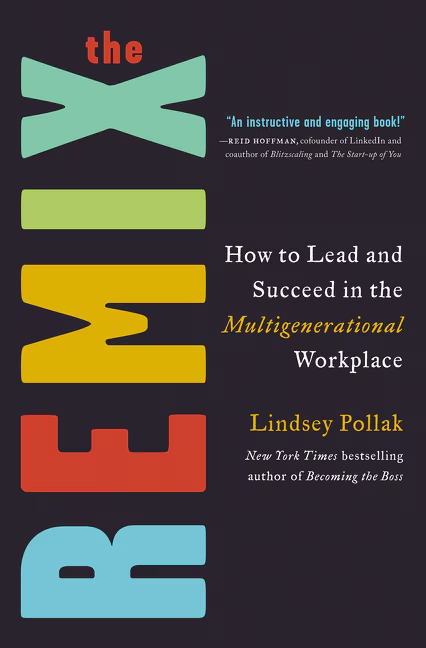
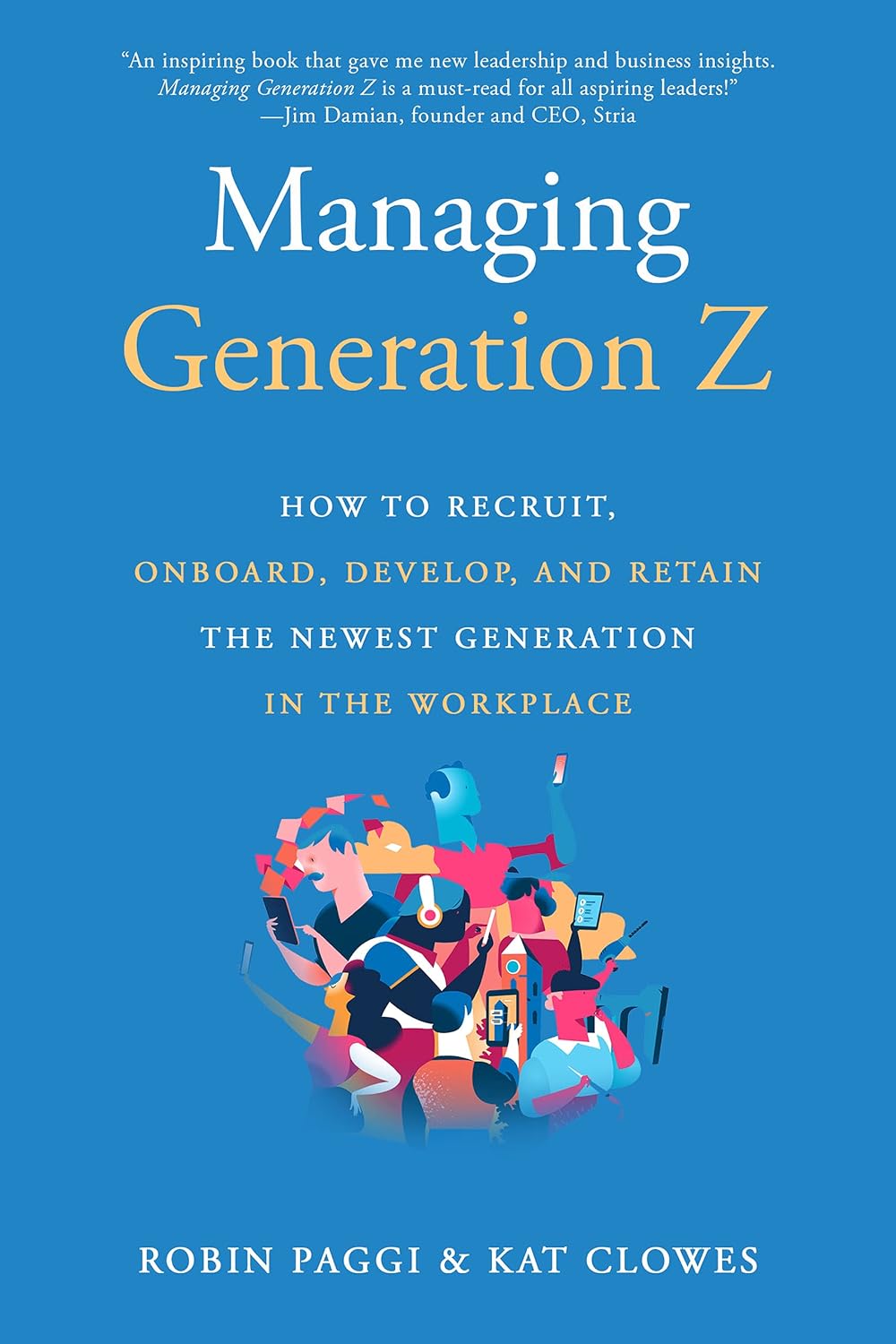
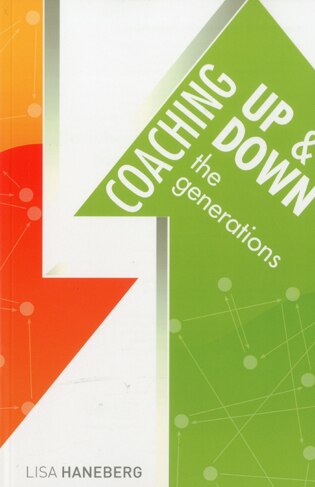
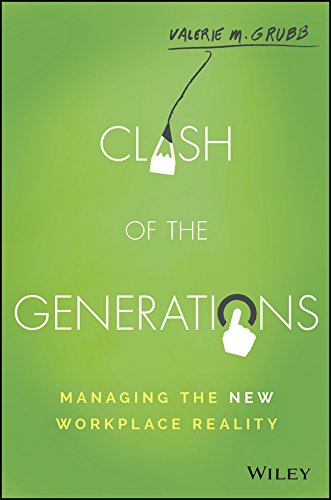
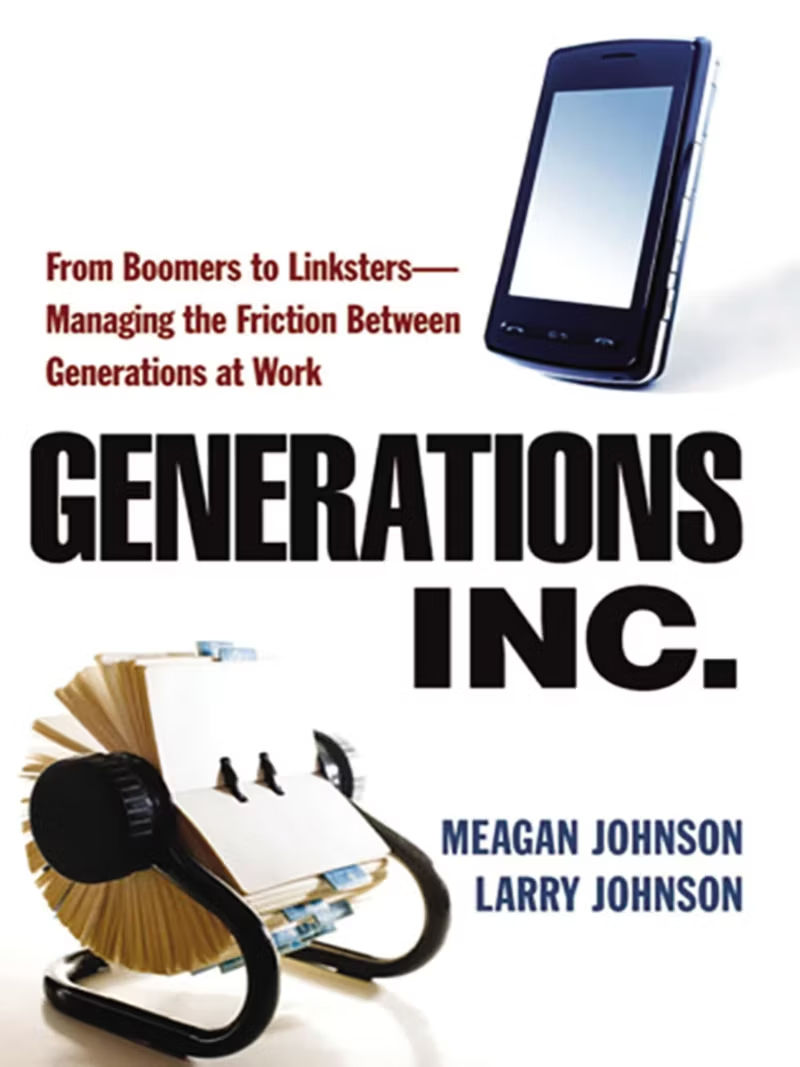
Books for learning how to lead and manage employees across generations
Closing thoughts on cross-generational collaboration
The bottom line? When multi-generational teams work collaboratively, organizations can gain a broader knowledge base, improve their collective problem-solving skills, and build a more resilient workforce — all competitive advantages in a fast-moving business landscape.
“Generational diversity is a strength. When embraced, it drives creativity, innovation, and resilience,” concludes Summers. “Different perspectives lead to better decision-making, and that’s something all businesses can benefit from.”