



An unprepared transition exposes a company to real risk: lost institutional knowledge, unsettled customers, and a diminished valuation. A deliberate one does the opposite. Succession planning strengthens the leadership pipeline, makes the business more attractive to buyers and investors, and protects everything the founder built.
What You’ll Learn in This Webinar

The Real Cost of Founder Dependence
How to Identify Critical Roles and Potential Successors
How to Build Leadership Depth Beyond the Founder

Structured Knowledge Transfer That Actually Works
Developing Future Leaders Before You Need Them

How Succession Readiness Affects Your Valuation

Speakers

Ryan Hill
Vice President, Global Communications

Michael Borello
Group Leader

Jeff Luchetti
Group Leader
Ryan Hill
Vice President, Global Communications
Ryan Hill
Vice President, Global Communications
Jeff Luchetti
Group Leader
Speakers
I joined Wellington IT as a sales executive in 2003. Eleven years later I was running the company. Most of what made that possible happened long before anyone used the word ‘succession.’
Caroline Calhoun
CEO, FIVE x 5 Sol

Kevin Bradley
CEO, Vencora
Don’t wait for someone to resign to find out who’s ready. Give people stretch responsibilities now and see who grows into them.
Matt O’Donovan
CEO, SPARK TSL

Ian Glenn
Group Leader, Vencora
The most useful thing I did at Gaina was build a team that could run it without me. When I moved on, the business kept going.
Caroline Calhoun
CEO, FIVE x 5 Sol

Andy Nelson
Portfolio Manager, Omegro
Looking to strengthen the leadership pipeline within your software business?
Leadership Insights on Succession
How Volaris Group helps businesses plan for what comes next

Passing the Torch in a Family Business

Navigating the Emotional Journey of Selling a Business

Inside HGEM’s Breakout Year: The Support Behind the Scenes

Why One Experienced Seller Chose Volaris
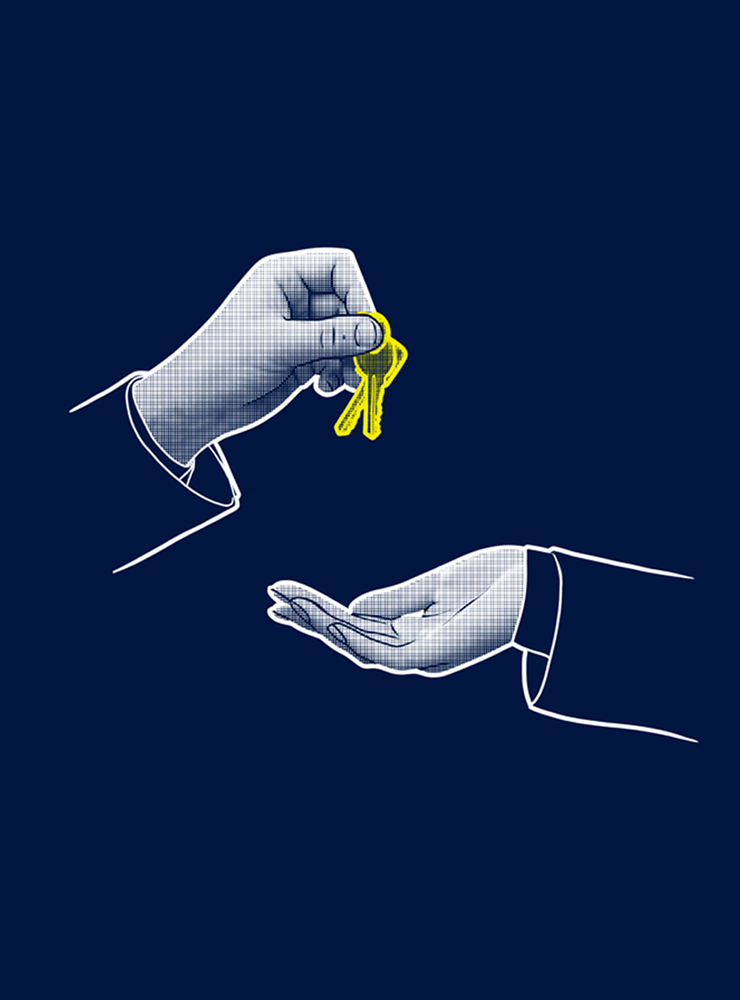
Keep Succession in Mind When Developing an Exit Plan

Volaris in the Media: Top Dealmaker, Protecting Al Innovations, and more

2025 Mid-Year Acquisition Update