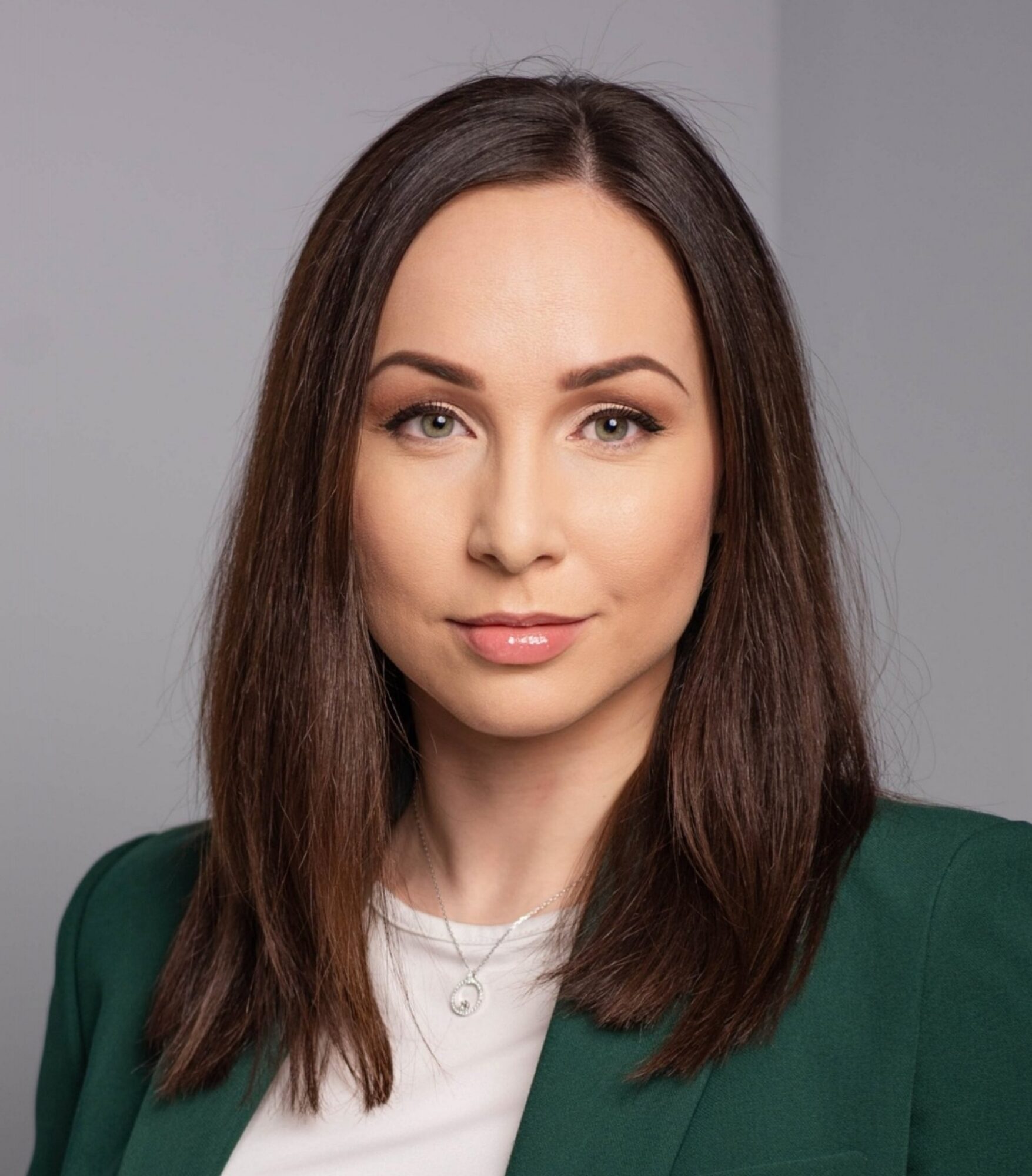











The Acquiring Manager shares his views on the value of patience in M&A, his leadership style, and building businesses to last forever
After more than 14 years with Volaris Group, John Bureau has experienced the company’s acquisition model from nearly every angle.
John Bureau joined Volaris Group in 2012 when it acquired Wynne Systems from United Rentals. After many years of operating and scaling software businesses, he moved into M&A in 2017. Today, as an Acquiring Manager in the portfolio led by Carl Bruce, he works with business development professionals, operators, and founders throughout the acquisition journey. His experience has shaped his perspective on Volaris’ buy-and-hold acquisition approach and what permanent ownership can mean for software businesses, employees, and customers.
In this article, he reflects on patient dealmaking, due diligence, leadership development, and disciplined AI adoption.
You began your career as a programmer. How did that path eventually lead you to Volaris Group?
I started as a programmer using punch cards. I enjoyed coding, but soon realized I was even more interested in managing technical teams and improving productivity.
That led me into operational roles at US Rentals, later acquired by United Rentals. United Rentals then acquired Wynne Systems, and I eventually led the business.
When United Rentals decided software was no longer strategic to their core business, Wynne needed a new owner. Volaris Group’s vertical market software expertise and operating model made it the right home. I continued leading the business before moving into M&A in 2017.
What was initially appealing about Volaris to Wynne Systems when it was acquired in 2012?
The priority was finding the right long-term home. Wynne had a strong product, knowledgeable employees, and customers who depended on its software.
Volaris stood out because it did not view Wynne as an asset to improve temporarily and resell. It is intended to own the company permanently and support its growth.
Selling a business is not simply a financial transaction. Founders often describe the business as family after spending years building it. Choosing an acquirer can feel like considering who a family member will marry, and intentions and values matter because the consequences are lasting.
How has your operating experience prepared you for a career in M&A?
Operational experience is critical. Geography, vertical, and scale may differ, but software leaders face similar growth challenges.
Having operated a company, I understand the pressures around customers, employees, products, profitability, investment, and how personal those decisions can be.
M&A is about more than completing a transaction. It means understanding what an owner wants for the company, its people, its legacy, and whether Volaris is the right fit.
What does your involvement across the M&A cycle typically look like?
Our business development professionals identify prospects who may see value in joining Volaris Group, validate fit, and begin nurturing the relationship. I became involved early, adding an operator’s perspective.
Once a confidentiality agreement is in place, I generally remain involved through operating discussions, evaluation, diligence, investment decisions, and closing.
Not every conversation becomes an acquisition. I was told the period from first conversation to closing could average about six years, and experience has shown that can be true.
Sometimes it is not the right time to sell. We remain available, build trust, and aim to earn a place at the table. We are patient operators and patient buyers.
How do you explain Volaris Group’s decentralized model to a prospective seller, and how it empowers business leaders to use their vertical market expertise when making business decisions?
We are honest about what we know and do not know. Volaris does not assume it understands a company’s customers, employees, product, or vertical better than its leaders. That knowledge is part of its value.
Rather than changing what works, we introduce leaders to a global network of operators who can share benchmarks, practices, and lessons from similar challenges.
Those ideas are strong suggestions, not instructions. Local leaders decide what applies. That combination of autonomy and operating experience is one of Volaris’ greatest strengths.
Why is patience so important in Volaris’ acquisition approach?
We evaluate acquisitions from a permanent ownership perspective, so we do not force a transaction because a company is available or capital must be deployed.
A strong business may not be ready to sell today. Its strategy, market, performance, or leadership priorities may evolve, making it an excellent fit later.
Our responsibility is to remain disciplined, understand the company, and build relationships. When an owner eventually decides to pursue a transaction, we want to have earned the opportunity to participate.
What is one common misconception founders have about the due diligence stage of M&A?
Founders often underestimate how demanding the process can be.
After a letter of intent, specialists across finance, tax, legal, HR, IT, cybersecurity, and operations on the buyer’s side need detailed information about the business we are looking to acquire. On the seller’s side, one or two people may handle these information requests while running the company.
Initial responses generate deeper questions, while the purchase agreement requires careful negotiation because every word matters.
We try to set expectations and remain patient. Preparation makes a significant difference. Some of the best-prepared sellers I have encountered were not led by M&A advisors. They simply knew their businesses well and maintained accurate, accessible information.
How should software leaders think about artificial intelligence?
AI should be considered both a tool and, in some cases, a product opportunity. What has not changed is the discipline required to build successful software.
Software exists to solve problems or improve processes, and those needs should still come from customers. AI can accelerate development, testing, quality assurance, and time to market, but without a clear need, companies may spend heavily simply because the technology is available.
A software company is more than code. It depends on people who understand customers, translate needs into requirements, and build trusted relationships. AI can strengthen that system, not replace it.
What advice would you give operators who feel pressure to “do something with AI”?
Start with your people. You need internal champions who are curious about AI and genuinely believe it can improve the business, not people experimenting only because they were told to use a new tool.
Then return to the fundamentals: are you improving a process, accelerating development, enhancing customer experience, or solving a new problem? Define the need before selecting technology.
Without the right people, use case, and discipline, AI can consume resources without producing value. The pressure to act should not cause a company to act without purpose.
How would you describe your leadership style today?
I am not a micromanager. If I had to be involved in everything, I would quickly become the bottleneck.
As organizations grow, leaders must identify capable people, give them responsibility, and let them decide. My view is that nobody works for me – — we work together toward the same goals.
When hiring or promoting, I look beyond whether someone can perform the immediate role. A growing organization needs people who can succeed today and potentially lead at a much higher level tomorrow.
What qualities do you value when developing future leaders?
Competence matters, but aspiration is equally important. You cannot develop someone for a leadership opportunity that they do not want.
Once ambition is present, the organization must provide growth opportunities. Volaris needs leaders who can operate businesses, lead functions, support integrations and acquisitions, and eventually oversee larger groups or portfolios.
Developing that bench requires deliberate planning and exposure beyond a person’s existing expertise. Opportunities exist throughout Volaris; ambitious professionals must prepare to take the next step.
What accomplishment are you most proud of from your time at Volaris?
The proudest moments are connected to the success of the people I have worked with.
One example is Sebastian Lopes. He began as a Wynne customer in France, joined the company to lead professional services, became Chief Operating Officer, moved into a General Manager role, and eventually became a Group Leader.
Seeing a business under his leadership achieve sustained top-quadrant performance was meaningful. At Wynne, I often asked, “How hard can it be?” when tackling big challenges. When I congratulated Sebastian, he replied with that same phrase.
I have felt similar pride watching leaders and businesses such as Matt Hopp, General Manager at InTempo, Craig Evans, General Manager at Company Watch, and others achieve important milestones.
What advice would you give a founder or CEO considering selling to Volaris?
Think carefully about what you want to happen to the company and its people over the long term.
Most founders recognize that employees helped create the products, serve customers, and support growth. If preserving that legacy and creating opportunities matter, Volaris should be part of the conversation.
We are genuine when we say we buy and hold businesses forever. Permanent ownership can also open new career paths for employees who stay with a company after an acquisition. Nearly everyone who reported directly to me at Wynne moved into a more senior role after we were acquired by Volaris Group.
A founder’s legacy can be reflected not only in the company’s brand or product but also in the careers of the people who helped build it.
What advice would you offer emerging leaders who want to grow in a decentralized environment?
Move beyond your comfort zone.
Someone may excel in one discipline, but becoming a General Manager or senior leader requires exposure to unfamiliar functions, challenges, and decisions without obvious answers.
Many high-potential people are not held back by competence or work ethic. They become comfortable doing something they already do very well.
Growth requires accepting a challenge before you are completely certain you are ready. Ask yourself regularly: Did I grow this year? Did I learn something? Did I pursue a new opportunity? Within Volaris, another opportunity is rarely far away.
What mindset has had the greatest influence on your career?
Two mentors significantly shaped how I approach leadership.
One taught me to think bigger and take responsibility for my arguments. After rejecting a recommendation from me, he advised me that it was because I had not made the case strongly enough. That changed how I viewed influence and accountability.
Another mentor at Volaris taught me to frame challenges through different lenses. Leadership decisions are rarely black and white, but the right frame can make the path clearer.
The principle I carry forward is simple: Think bigger, keep moving, and take responsibility for making the strongest possible case for what you believe is right.