









The hands-on program was offered for the first time in 2026 and will keep running regularly, upskilling our businesses to help them benefit from the latest AI developments
As AI developments continue to move rapidly, so do the opportunities for our businesses. As a learning organization, Volaris Group wants to help our businesses maximize access to their full capabilities enabled with the latest AI technologies, skills, and knowledge.
That’s why Volaris is introducing the AI Accelerator in 2026: a program designed to rapidly help our businesses upskill their teams and adapt their product visions for the fast-evolving capabilities of AI.
Introducing the AI Accelerator
The AI Accelerator is led by the Volaris Business Transformation team and is designed to help businesses build AI fluency for product, development, and leadership teams.
The first-ever run of the program began in February 2026, with virtual sessions introducing cross-functional teams to new mindsets in an era of AI, including:
- How to evolve product and R&D thinking
- Leadership in the age of AI
- Spotting AI opportunities
The preparatory sessions helped each team hone their idea leading up to the in-person event. Each business was given a challenge to develop a product idea over the course of the program that could have the potential to deliver revenue.
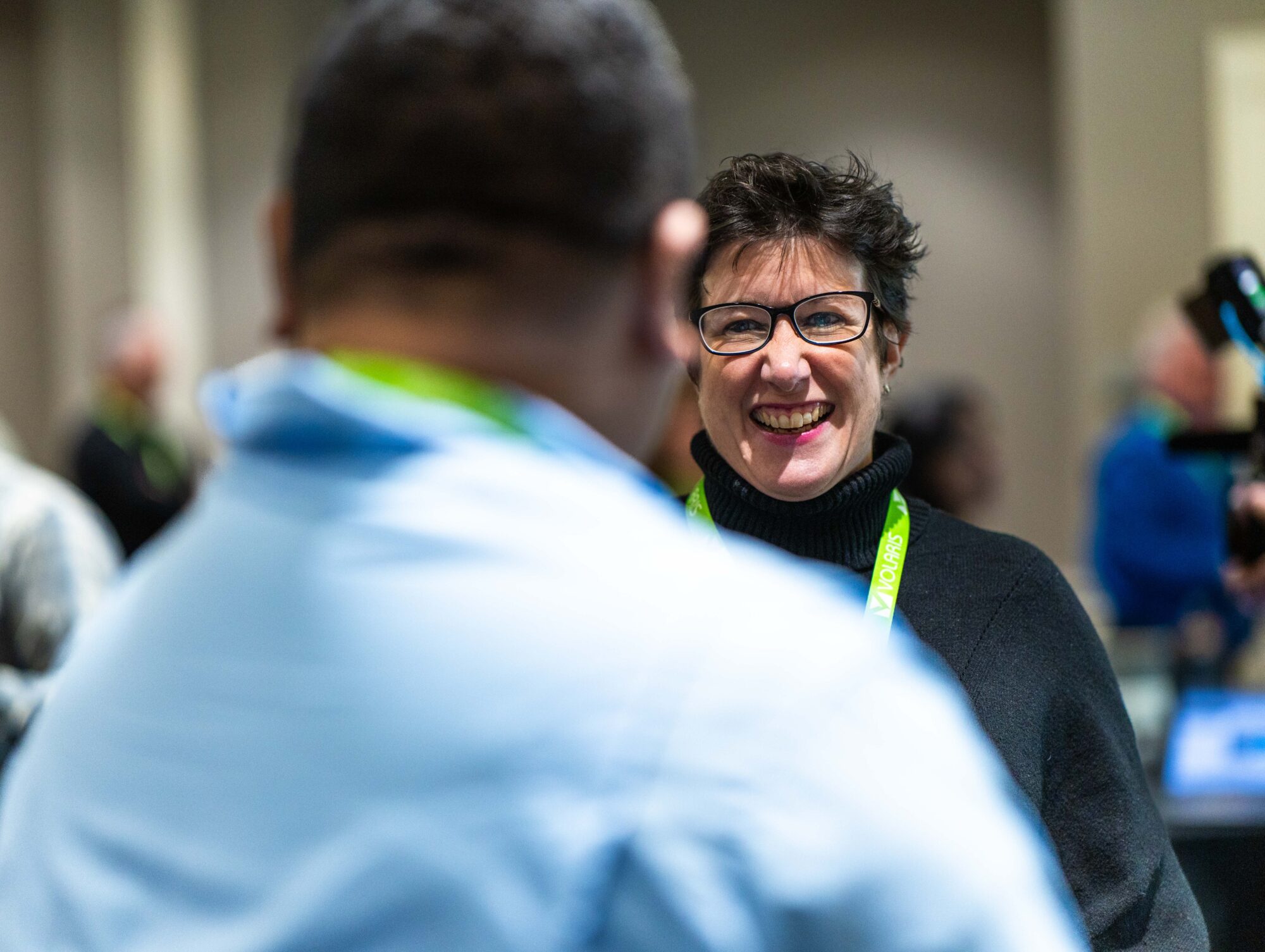
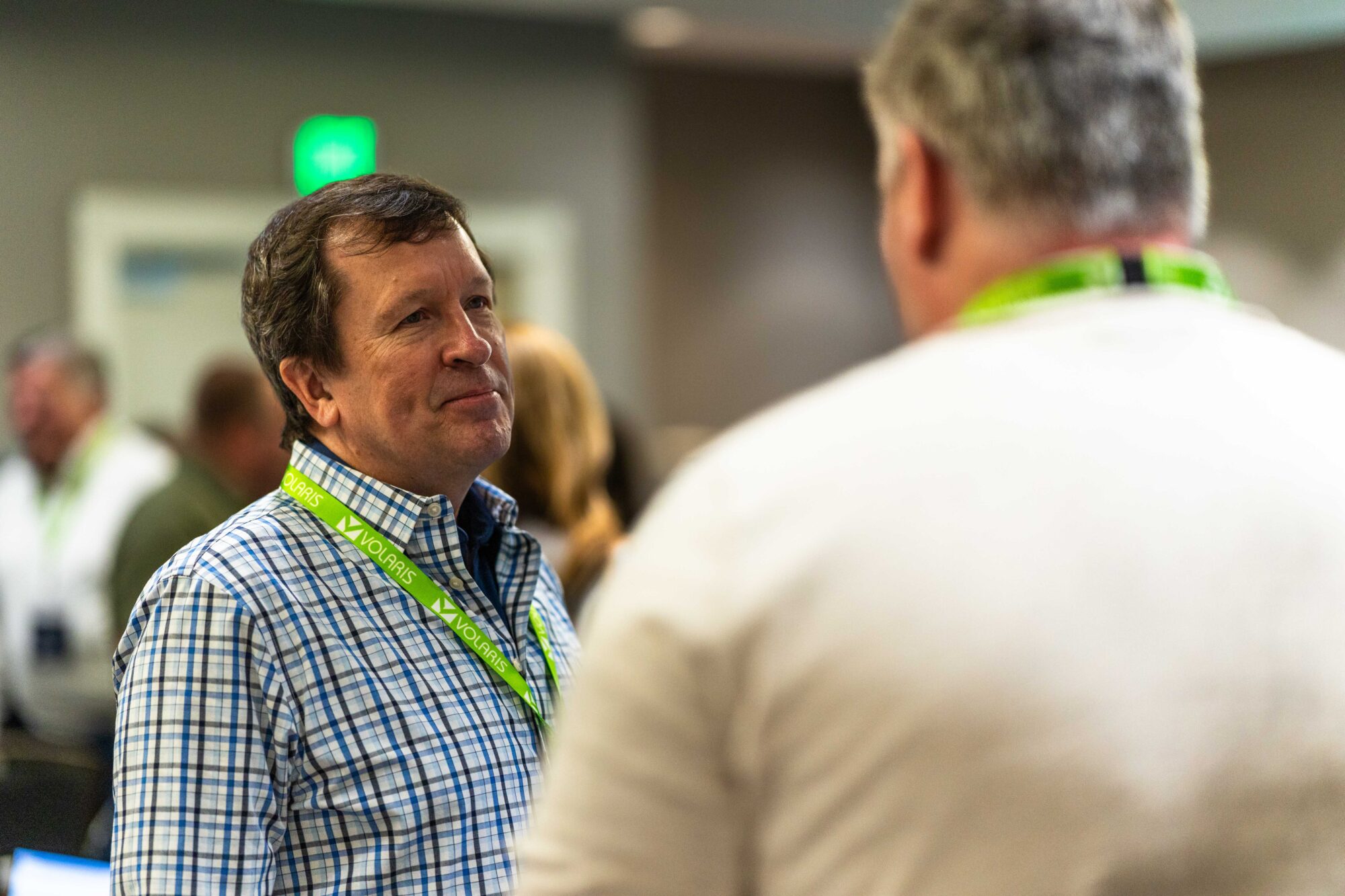
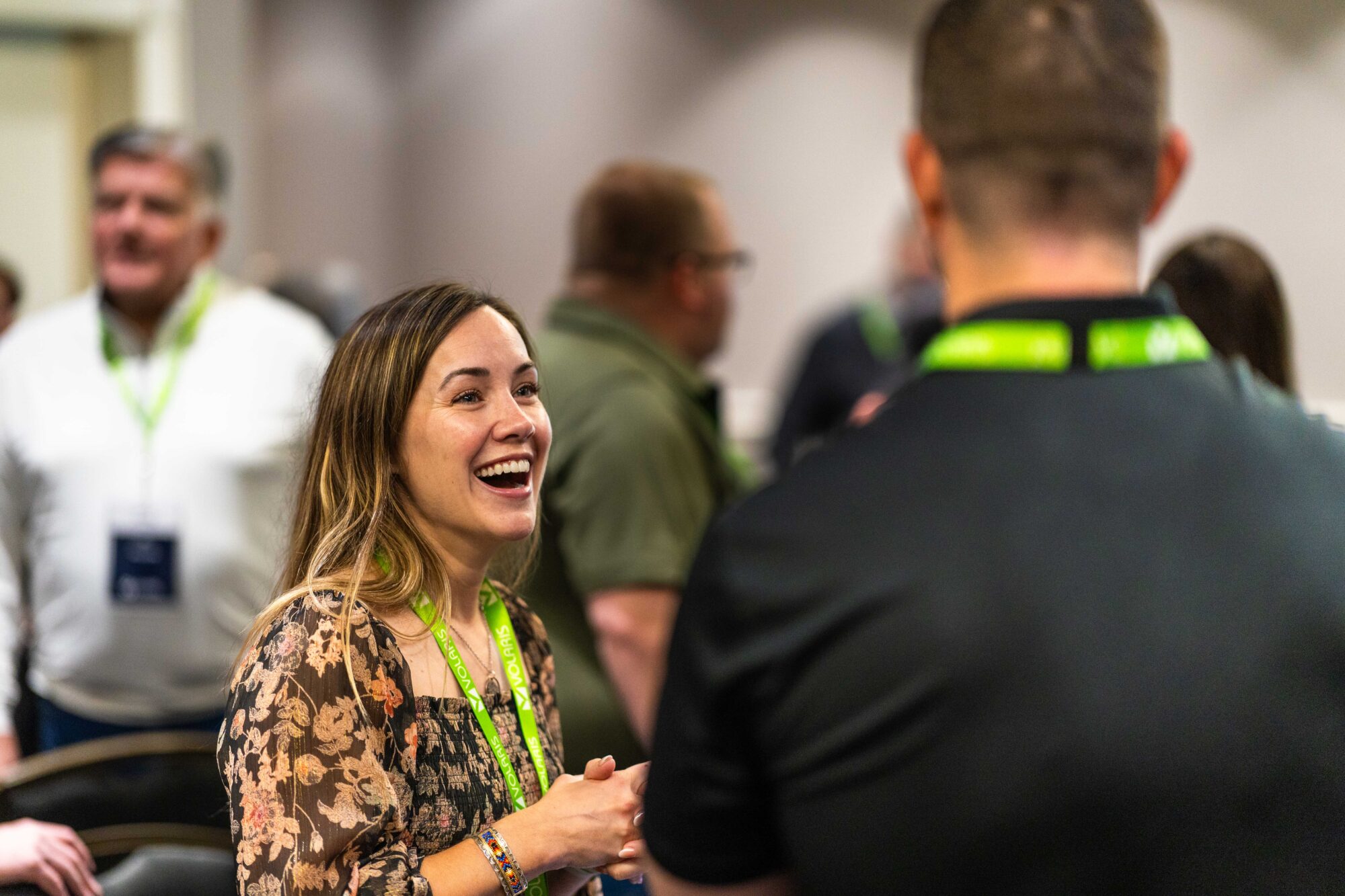
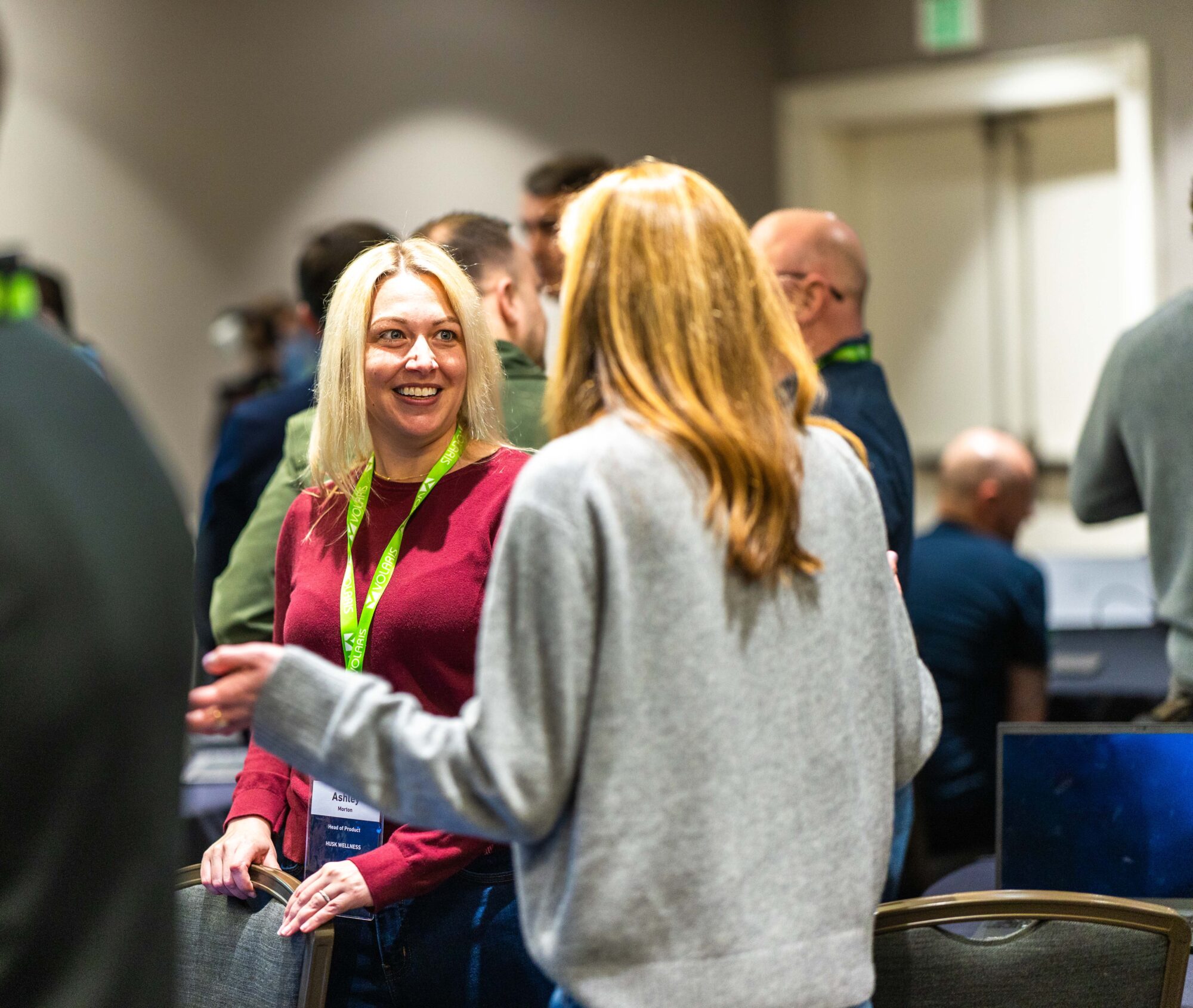
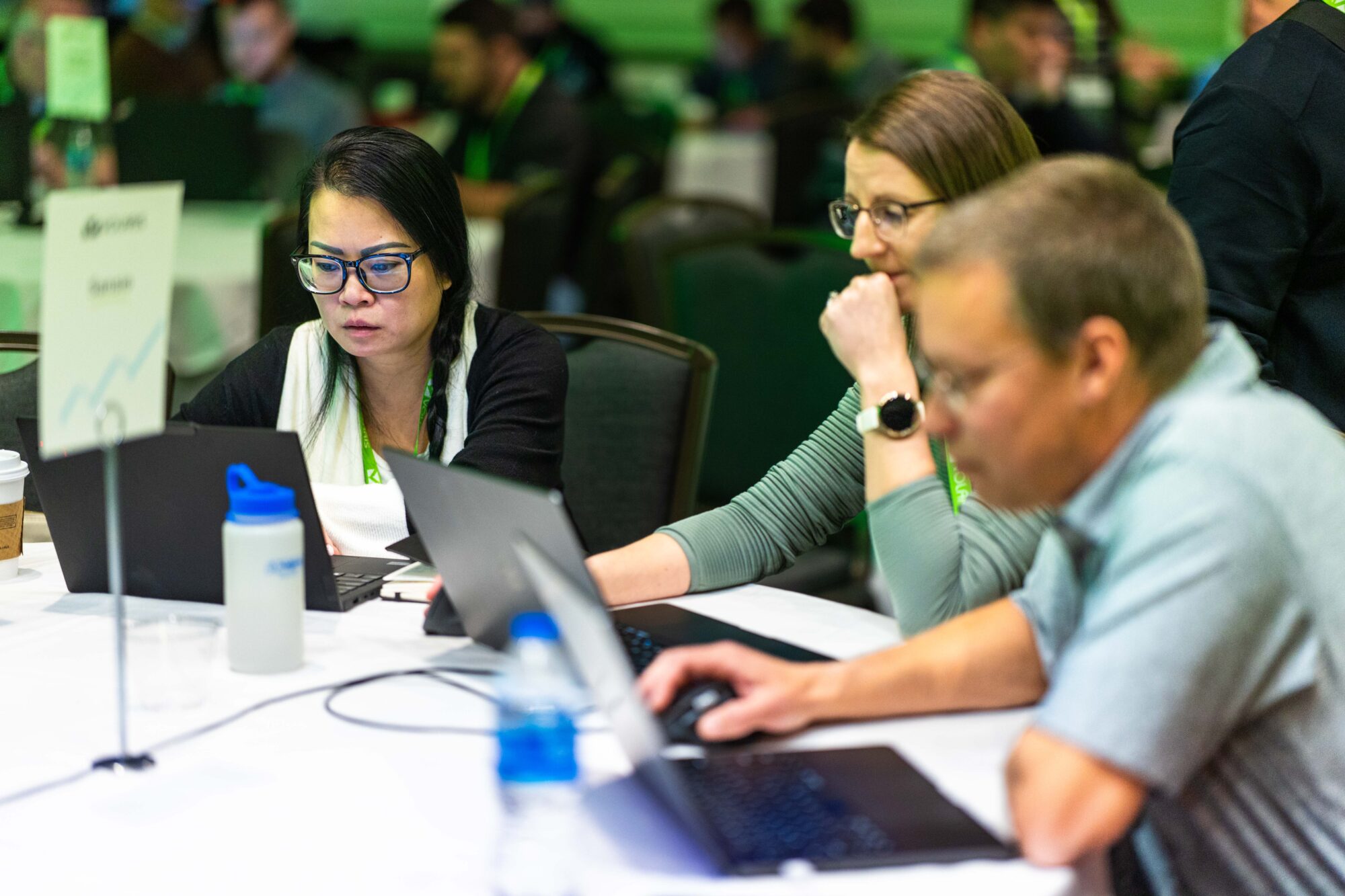
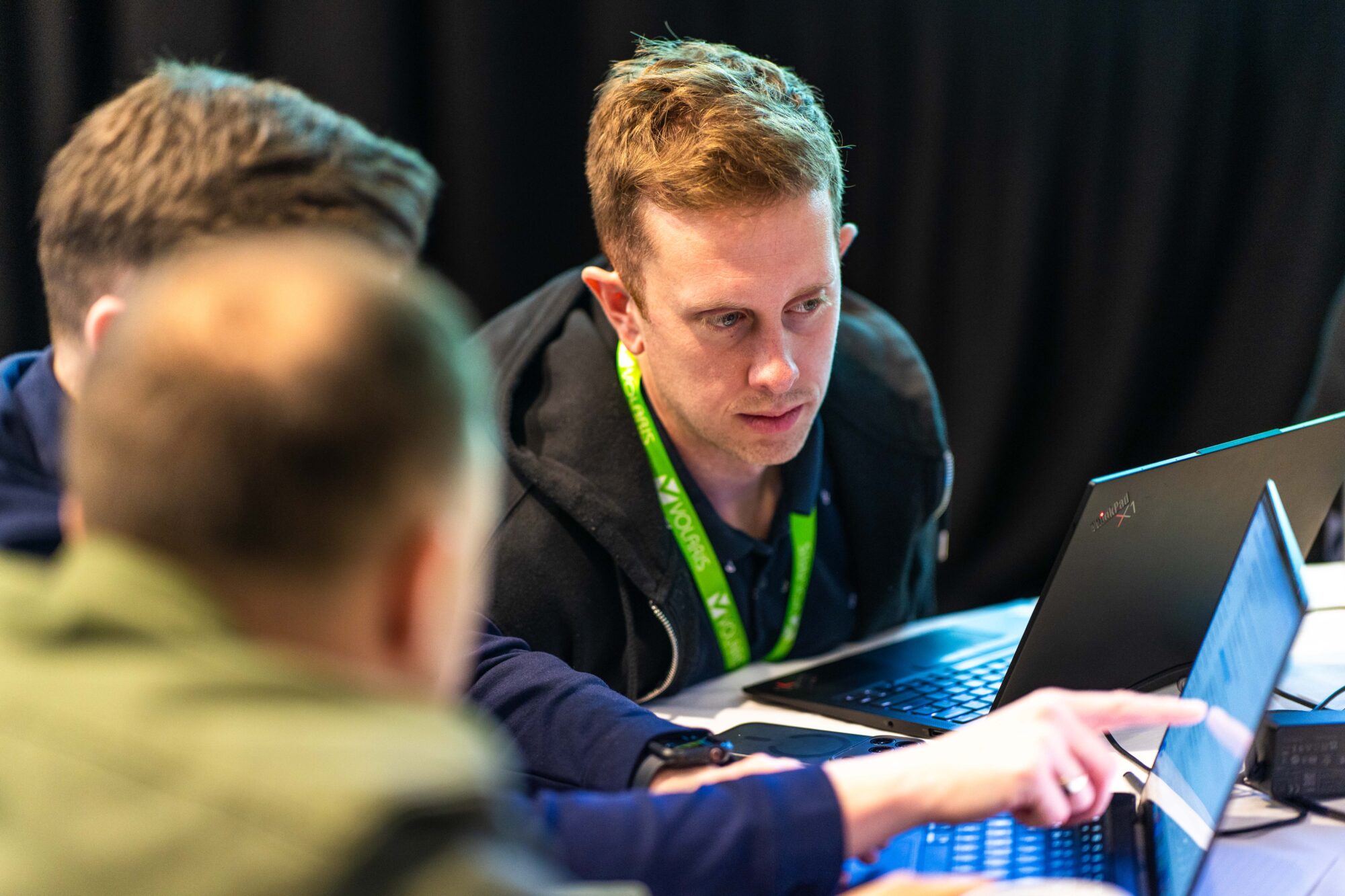
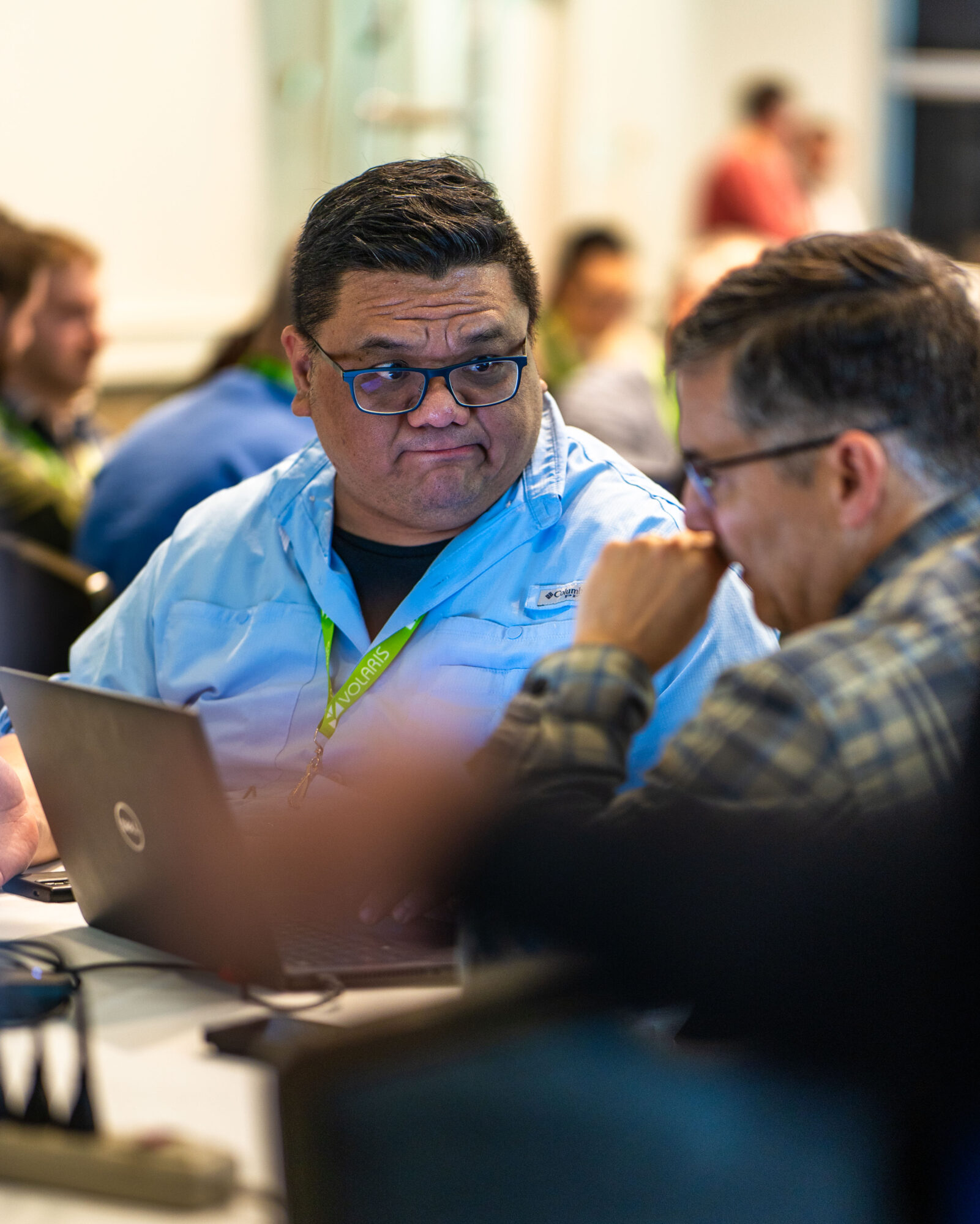
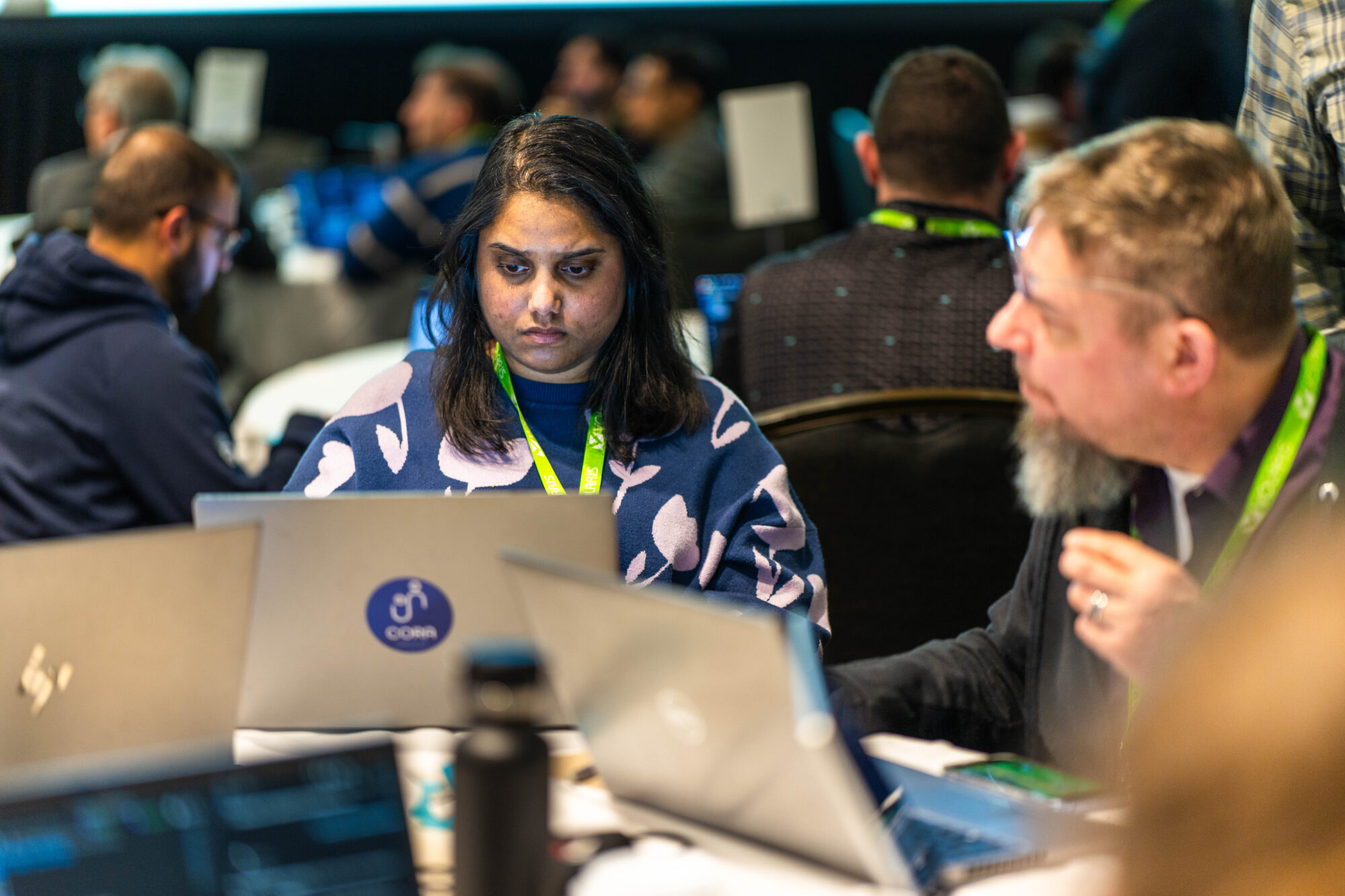
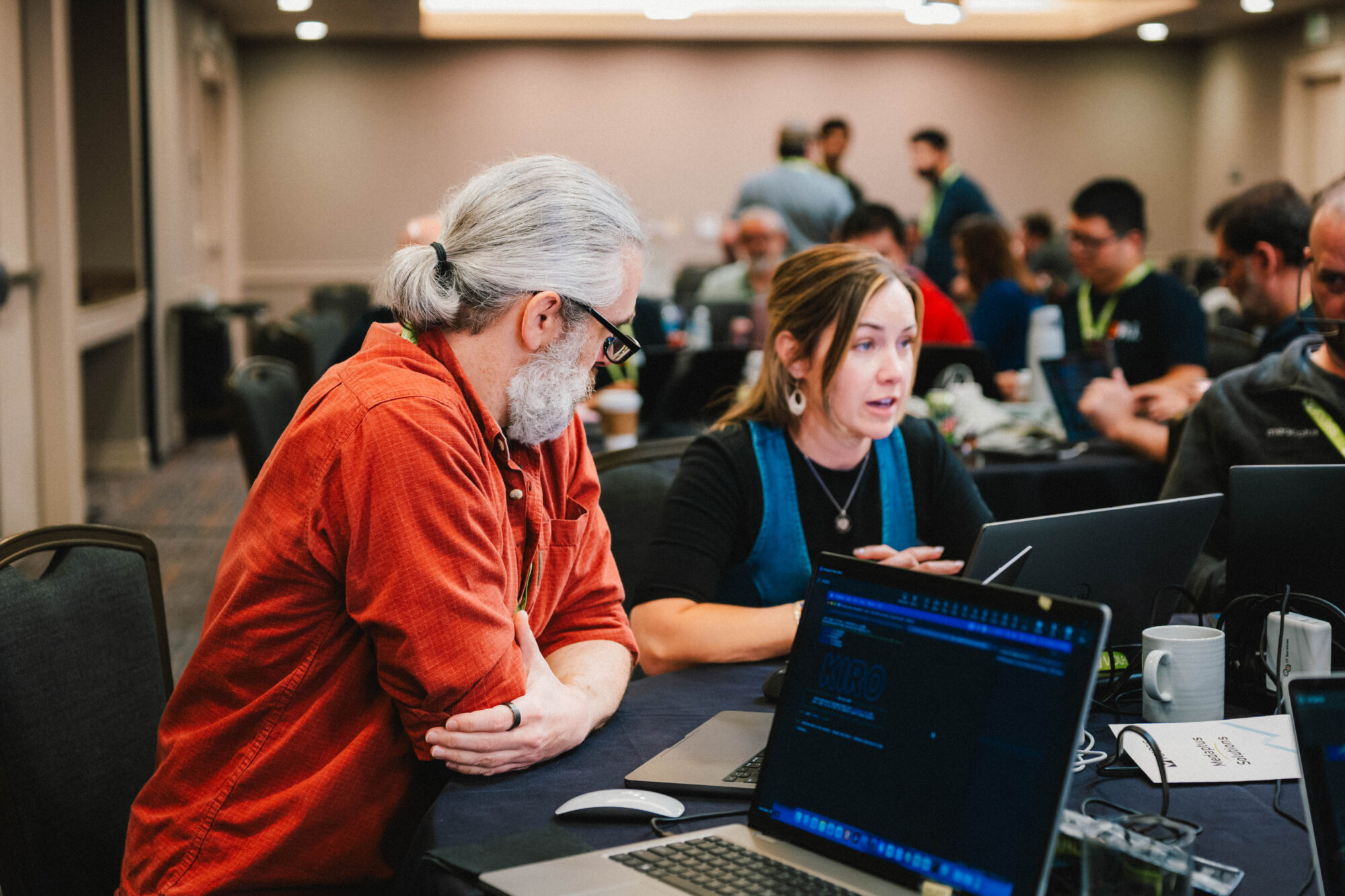
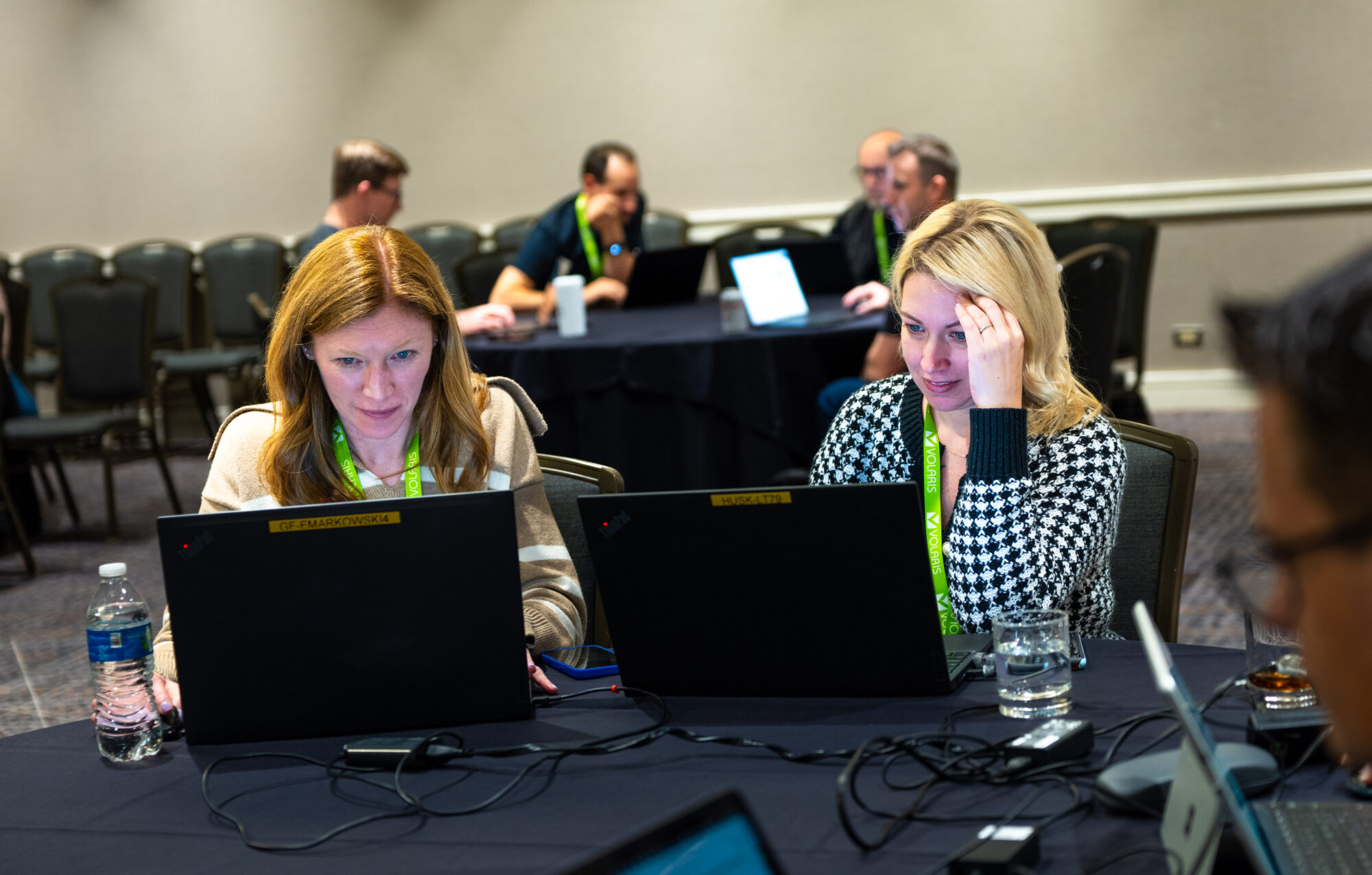
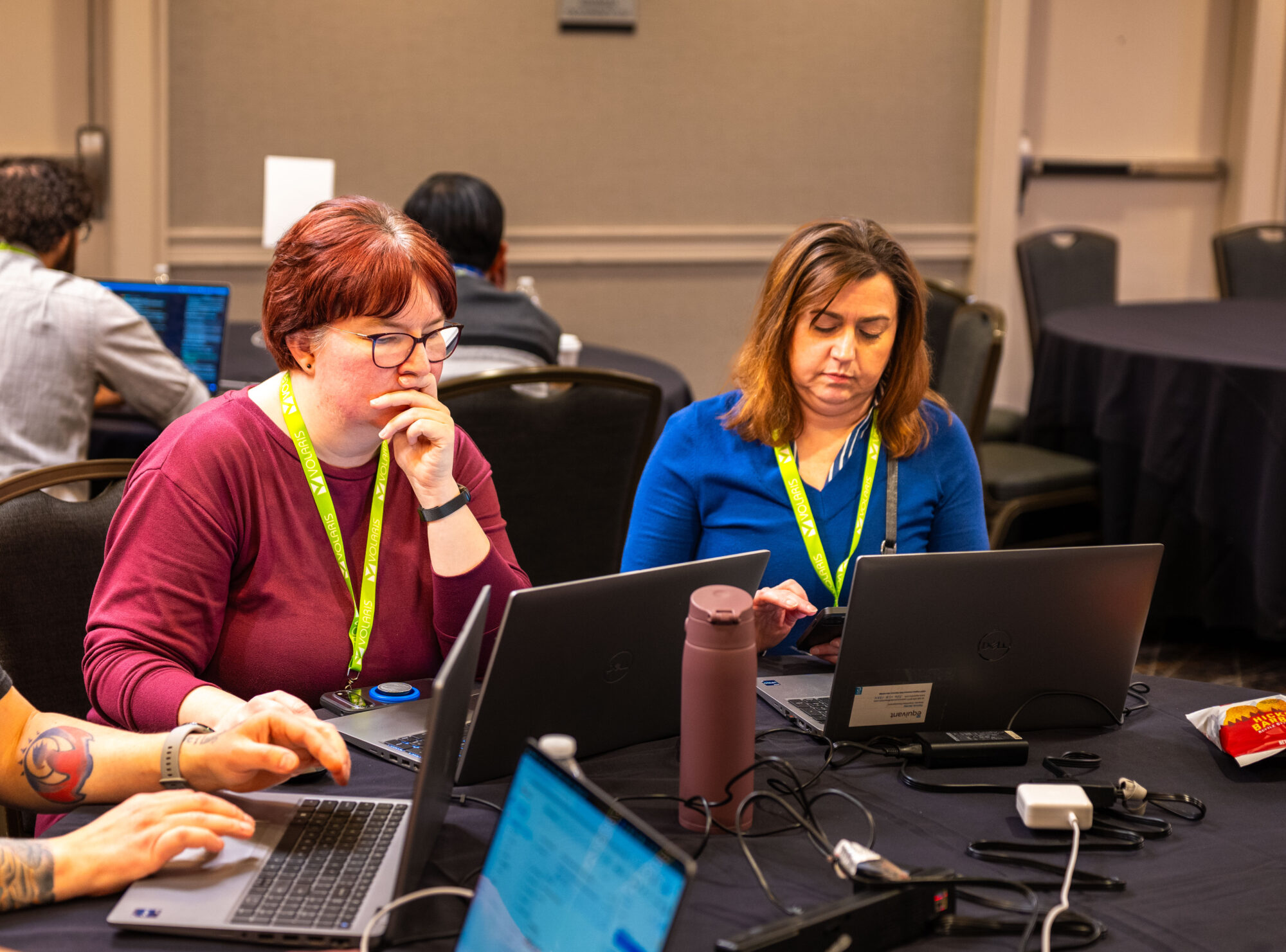
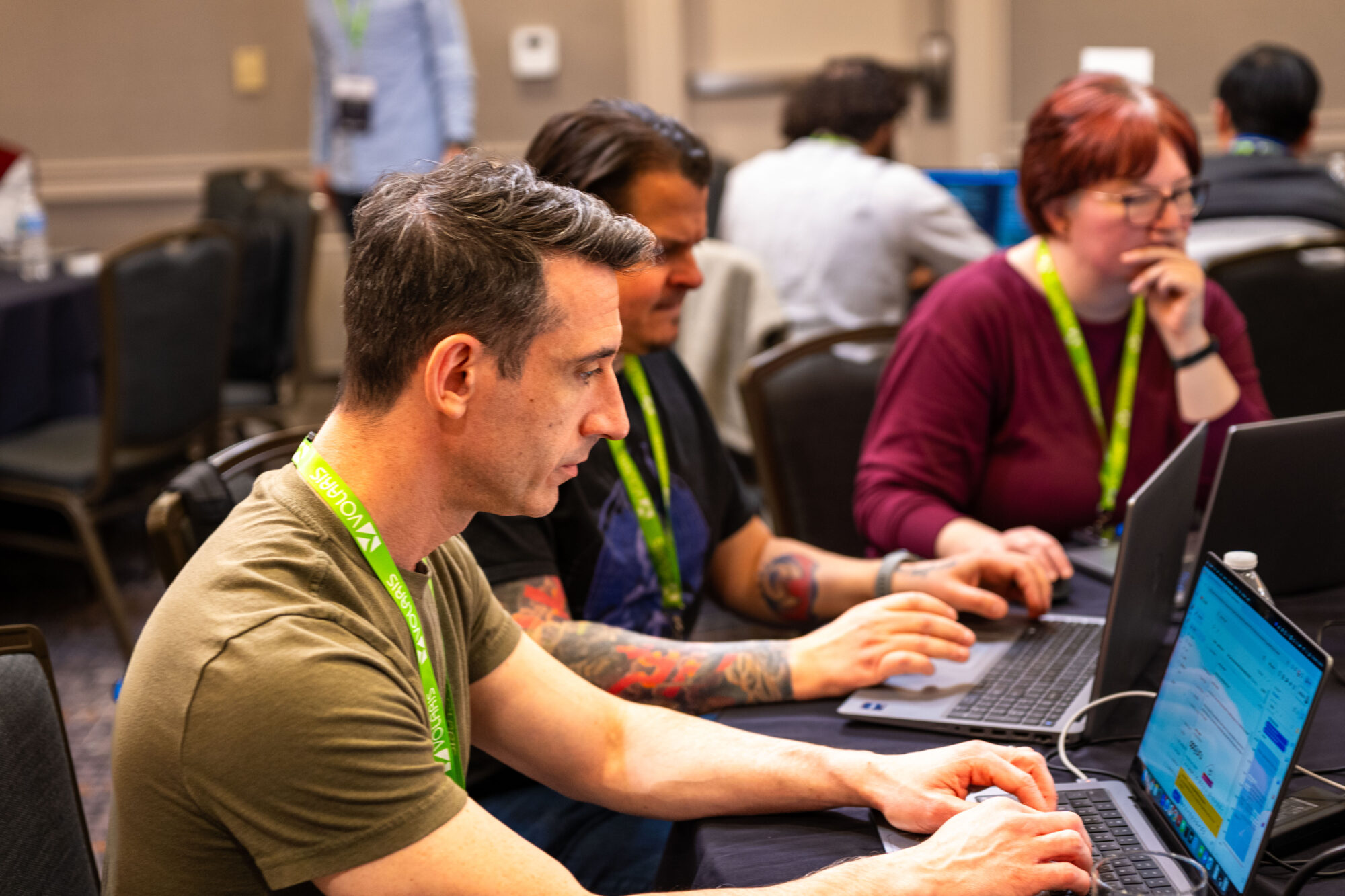
After the virtual sessions, the teams convened for the in-person portion of the AI Accelerator program. With over 140 attendees in Denver representing 19 Volaris businesses between March 3-6, 2026, participants could clearly see that this new AI bootcamp wasn’t just “business as usual.”

Hands-on coaching and mentorship advance AI maturity
Several leaders attending the event expressed a desire to advance AI adoption and innovation, but felt a need to proactively and urgently drive faster and more comprehensive change to better meet the expectations of their customers. For vertical market software businesses, maintaining their competitive advantage means using AI to enhance their deep industry expertise to more quickly solve meaningful problems for clients.
With that in mind, the Volaris Business Transformation team, led by Chris Wildsmith, challenged attendees to assess their levels of AI maturity and maximize their learning to move their businesses to the next level of AI adoption. For many participants, that meant moving to AI-directed coding, which can boost productivity by up to 10 times the pace.
The work of each team was supported by coaching and mentorship from the Volaris Business Transformation team, external AI experts, champions, and partners (AWS, Microsoft, OpsGuru, and Yonder). Teams were empowered with access to cutting-edge AI tools and the latest insights.

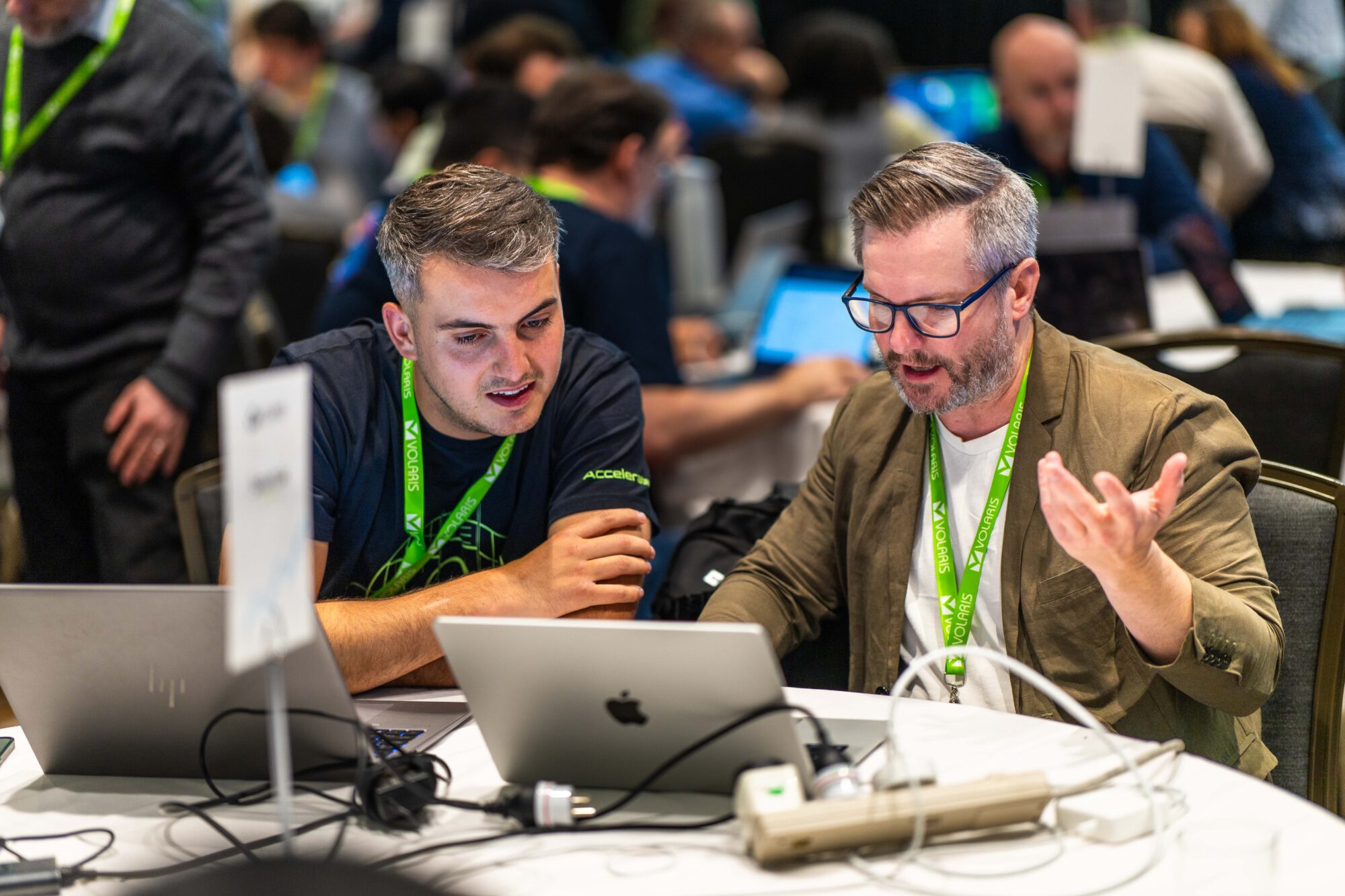
Learning tracks offered for product & development roles
At the in-person event, participants chose their learning tracks based on their role.
Product leaders went through an exercise on day 1 about how to sell a new business idea, followed by sessions where they conducted rapid market research. The goal was to get product leaders working directly with AI tools. By the end of the day, participants learned how to create a prototype by vibe coding, including people who came from non-technical backgrounds.
On day 2, they began working on pitches for new product ideas. They defined a specific problem in their market and used AI insights to support and validate their observations. After further refining their ideas and challenging them through a use case, they presented their pitches to a room of peers.
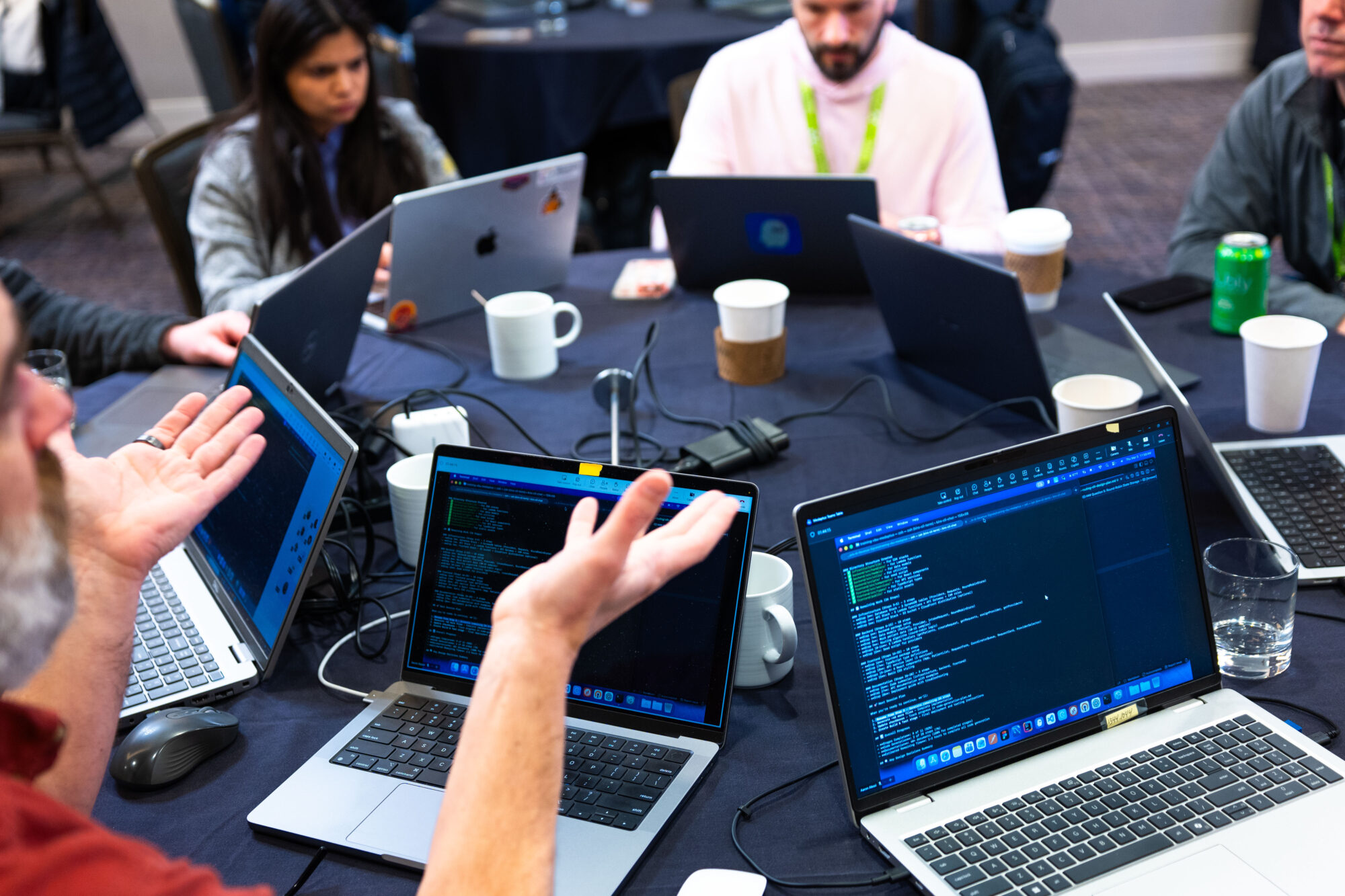
Development teams started day 1 by learning the building blocks for template architecture and were guided as they set up the tools needed for rapid application building. They learned to deploy agentic infrastructure. By day 2, the development teams had built their first product features and deployed them. They learned different testing strategies to apply using AI-first building techniques.
Near the back half of the week, the teams had full days for cross-functional collaboration. Product and development teams reunited to bring their new learnings together. Product leaders aligned the team on goals and took part in an exercise that stimulated their insights into market disruption. Meanwhile, development teams planned, tested, and built their proofs of concept, with many teams working into the evening on day 3. On day 4, they refined their projects after getting client feedback before their final pitches.
Setting the tone for leadership in an age of AI
Business transformation happens at every level of the business – and that includes at senior leadership levels. This track introduced senior leaders to hands-on approaches, including prompting skills and how the latest AI technologies can be applied for financial analysis.
They also learned from the external partners who acted as AI champions at the event, including Microsoft, AWS, OpsGuru, and Yonder. Each partner shared AI strategy and insights that they are seeing in the wider world of technology beyond Volaris Group. Security, compliance, and governance were also topics for conversation and learning.
Finally, senior leaders had the chance to discuss company values and culture in an AI era, an important conversation to position Volaris Group businesses to stay competitive in a fast-evolving landscape. Leaders exchanged perspectives about how to scale with AI and how people and talent management can adapt in an AI era.
While our focus for the week was to gain confidence and competency in how to apply leading-edge AI tools to build a re-imagined e-Services software solution, a new product was defined, prototyped, and validated. It is now scheduled for our May 2026 release and will be in customers’ hands in Q2. That is not a pilot. That is the new pace.
-Eric Tumperi, Group Leader, equivant
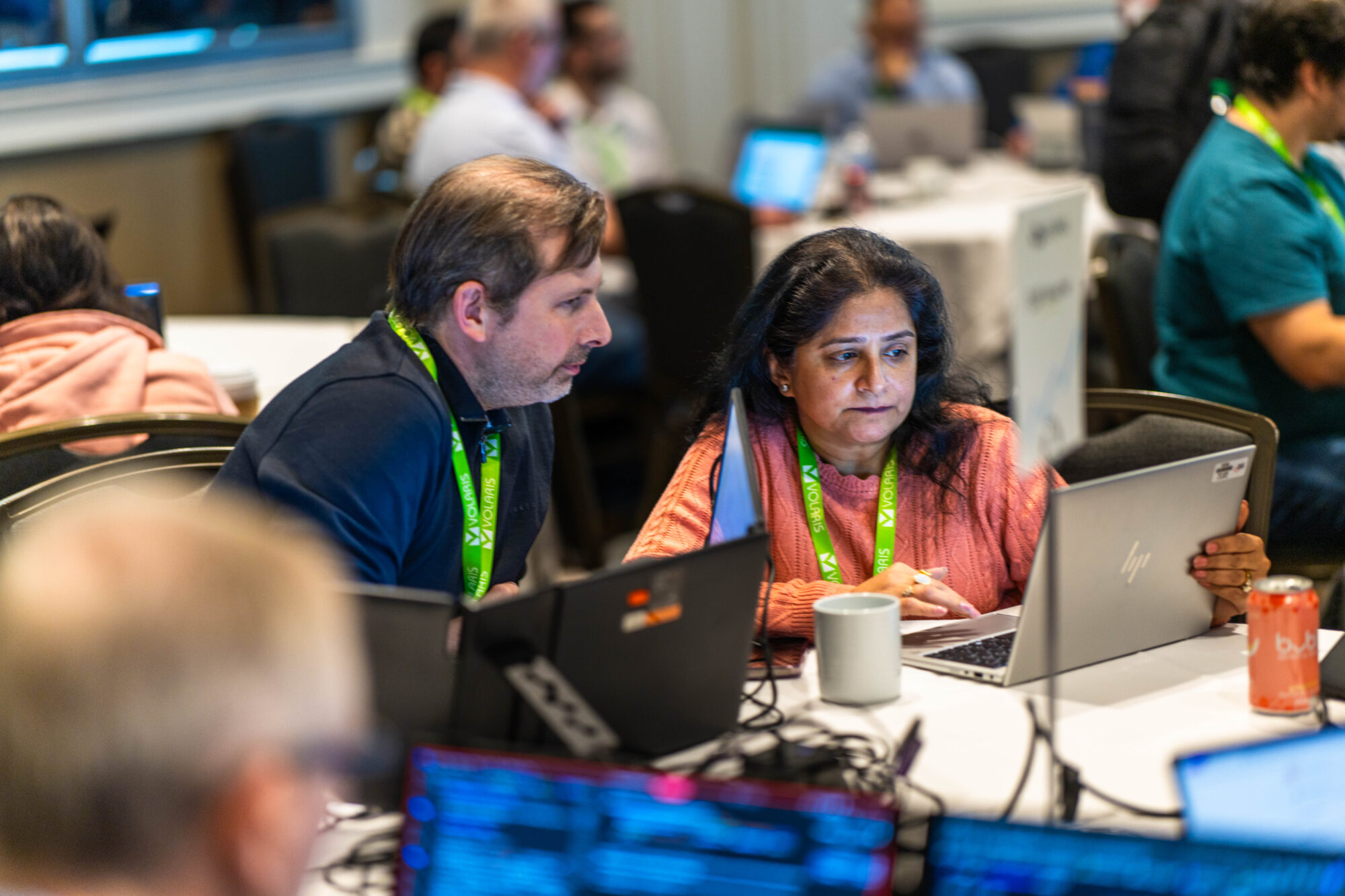
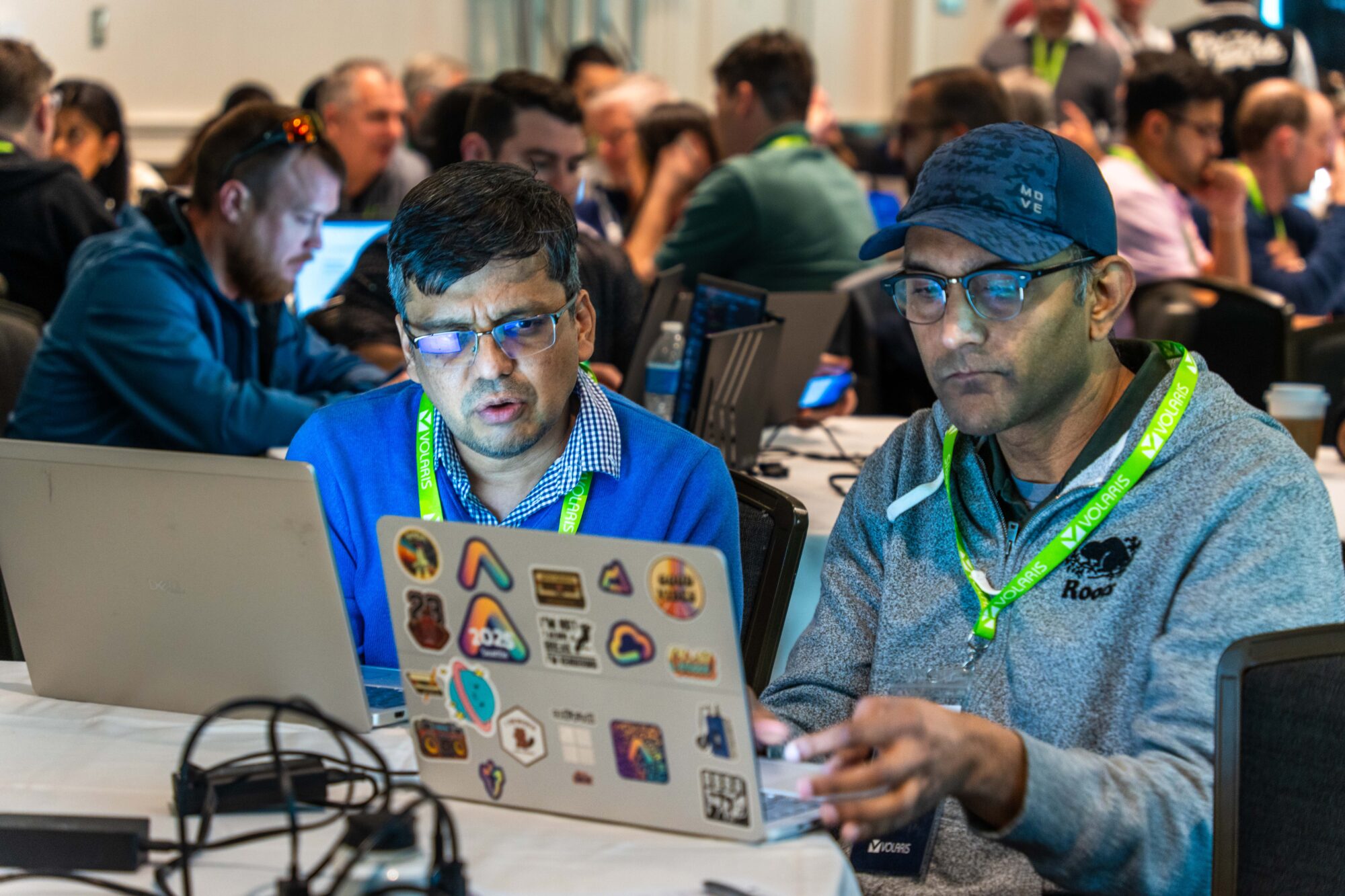
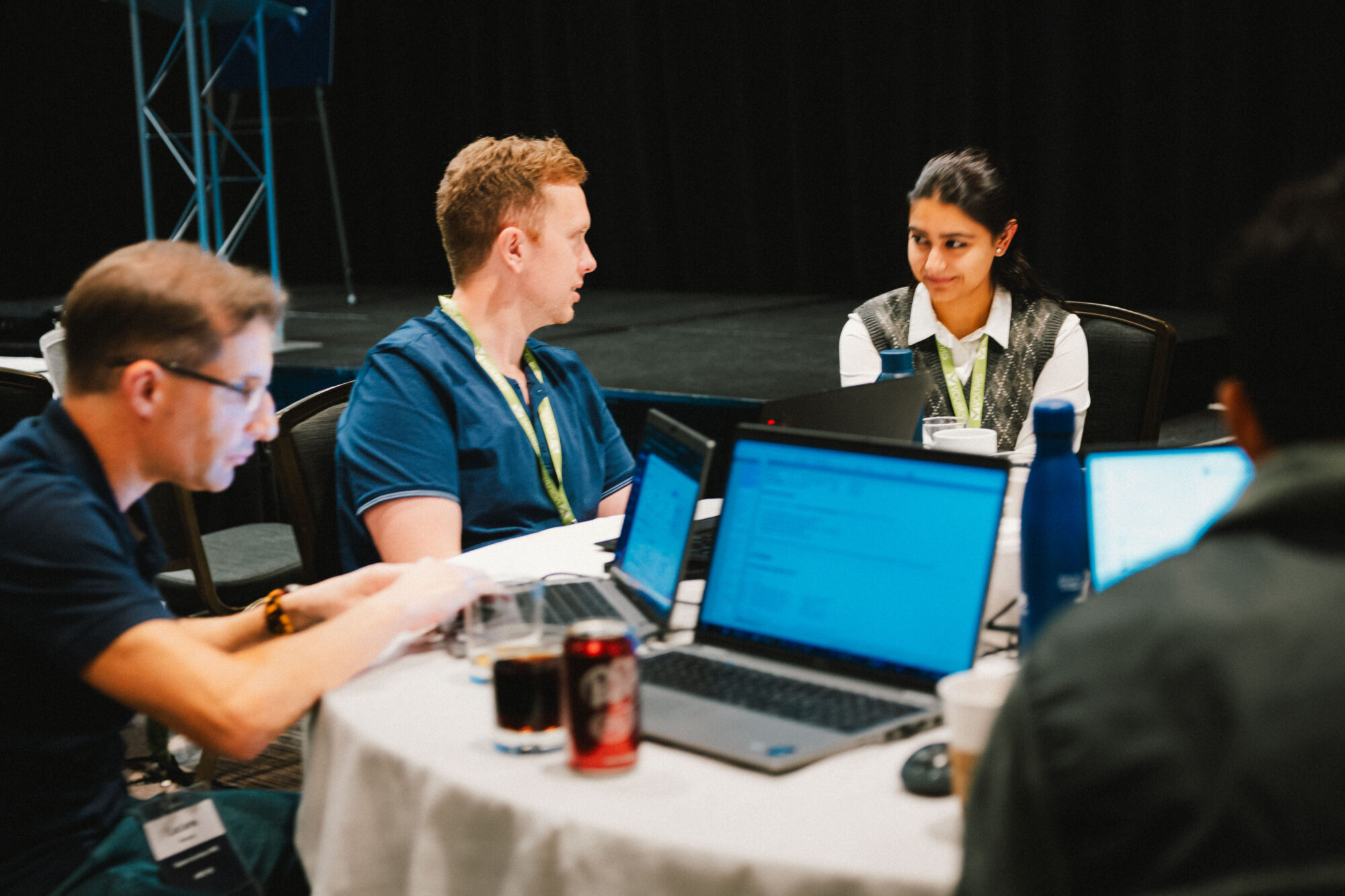


Ending the week and continuing the program with a new sense of possibility
By the end of the program, the goal was for participants to embrace “The Art of the Possible,” a mindset that shifts their focus from constraints to opportunities. By using technology and creative thinking to turn what might once have been impossible to a tangible reality, their work moved beyond theoretical discussions and showed feasible solutions through prototypes.
Indeed, we saw teams deepening their understanding of spec-driven development and many people, including those from non-technical backgrounds, getting their hands on keyboards as they worked together to combine their product, development, and leadership knowledge and move their pilot projects to the final stages.
The week culminated with each team pitching their proposed products with details on how they will move their projects forward. Each team presented demonstrations of the applications and features built over the program, with a view toward revenue generation.
Where we previously felt constrained, those constraints have been lifted, and ultimately anything is possible now. No problem feels too hard to solve.
-Adam Dennett, CEO, SpecTec
The program is designed to leave a lasting impact on the businesses. Teams will continue with it for another two months—continuing to receive support as they move beyond experimentation in R&D and on their path to driving business outcomes.
Most importantly, all participants left with a sense of possibility that can only come when they are transformed through learning, which has long been a key part of the culture at Volaris Group. Several participants expressed a new sense of freedom enabled by improving their AI skills and knowledge.
Summarizing the impact of the program, SpecTec’s Chief Product Officer, Garry Clarke, concluded: “We can now demonstrate that AI is not a theory, not a myth, not something you put in your three-year vision. It’s here, it’s now, and we can put it into production with customers in a matter of days.”