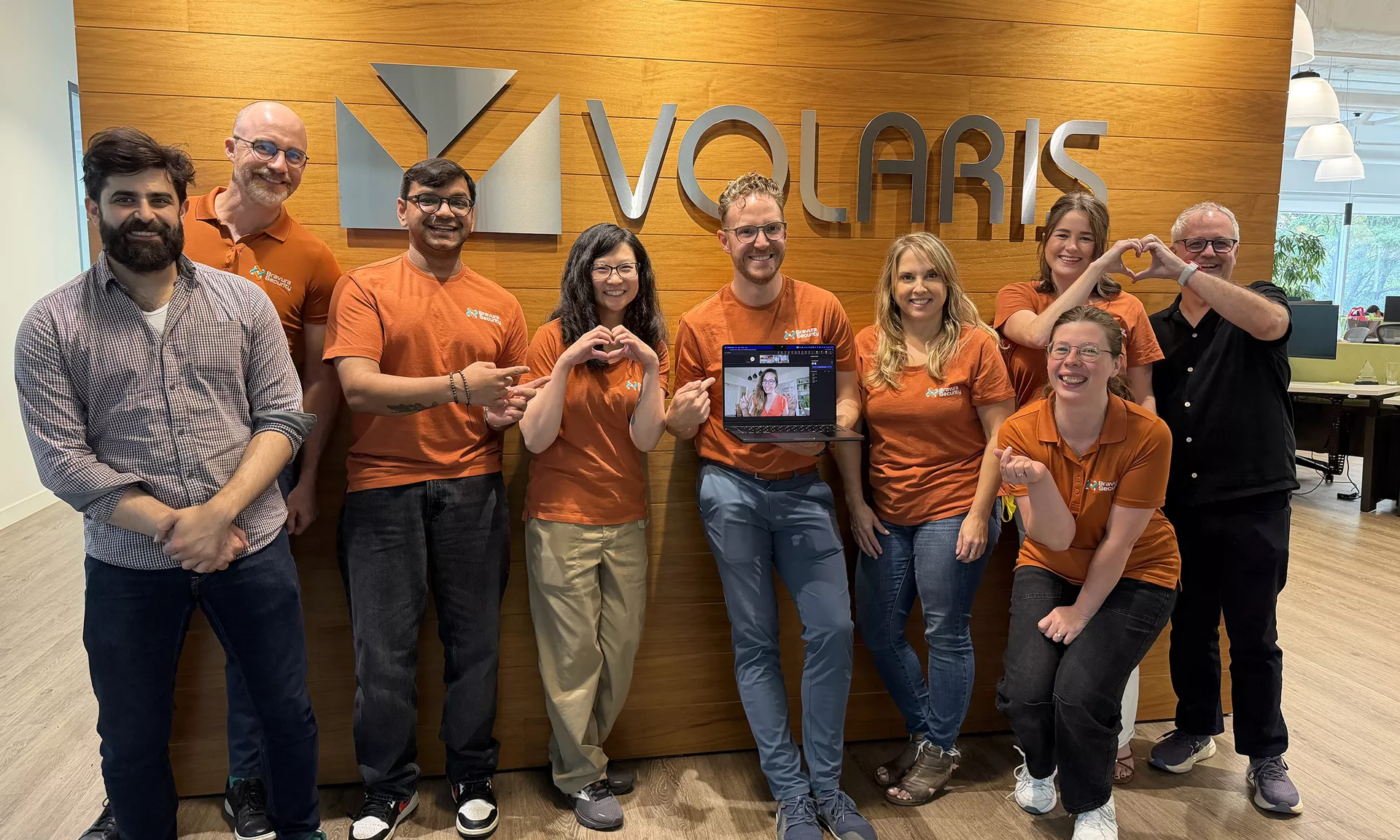








A snapshot showing how AI adoption is transforming operational activity within our acquired businesses
Previously, we’ve covered how the Volaris Group AI Accelerator and portfolio-level accelerators have helped us kickstart adoption of new technology and ways of thinking for our businesses.
These business and peer-led learning events continue to drive the skills, cultural, and tooling changes that accompany AI learning.
Over the past several months, many of our businesses have taken the initiative to hold their own accelerators.
Key themes of these events:
- AI adoption is going beyond R&D and spreading to functional areas of our businesses
- AI leads and partners across our portfolios are helping with knowledge exchange across our larger organization, while bringing in expertise from outside our organization
- Our businesses are combining the latest in AI functionality with their knowledge of their industries and customer needs, reinforcing their niche in vertical market software
- Leaders in our businesses are enthusiastic about the benefits that AI can bring, reflecting a bottom-up approach to AI adoption
- The focused accelerator environments enable our businesses to develop coaching ability within our businesses
- Within our businesses, employees are understanding the business case for AI adoption and the value of investing in new workflows
This round-up covers a selection of events that took place in July, August, September, and October, and looks ahead at what is coming next.
Portfolio+ challenges teams to tackle backlog with AI
Portfolio+ organized an AI Accelerator where they tackled real problems from their existing backlog. The event was supported by leadership through Dianne Cupples, who was CEO of Portfolio+ at the time of the event, and has now been promoted to Group Leader, where she oversees the operations of several financial services software providers within Vencora, the financial software provider. Coaches who supported the event included Vencora’s AI Adoption Director, Vidur Kalive, and partners from Microsoft and AWS.
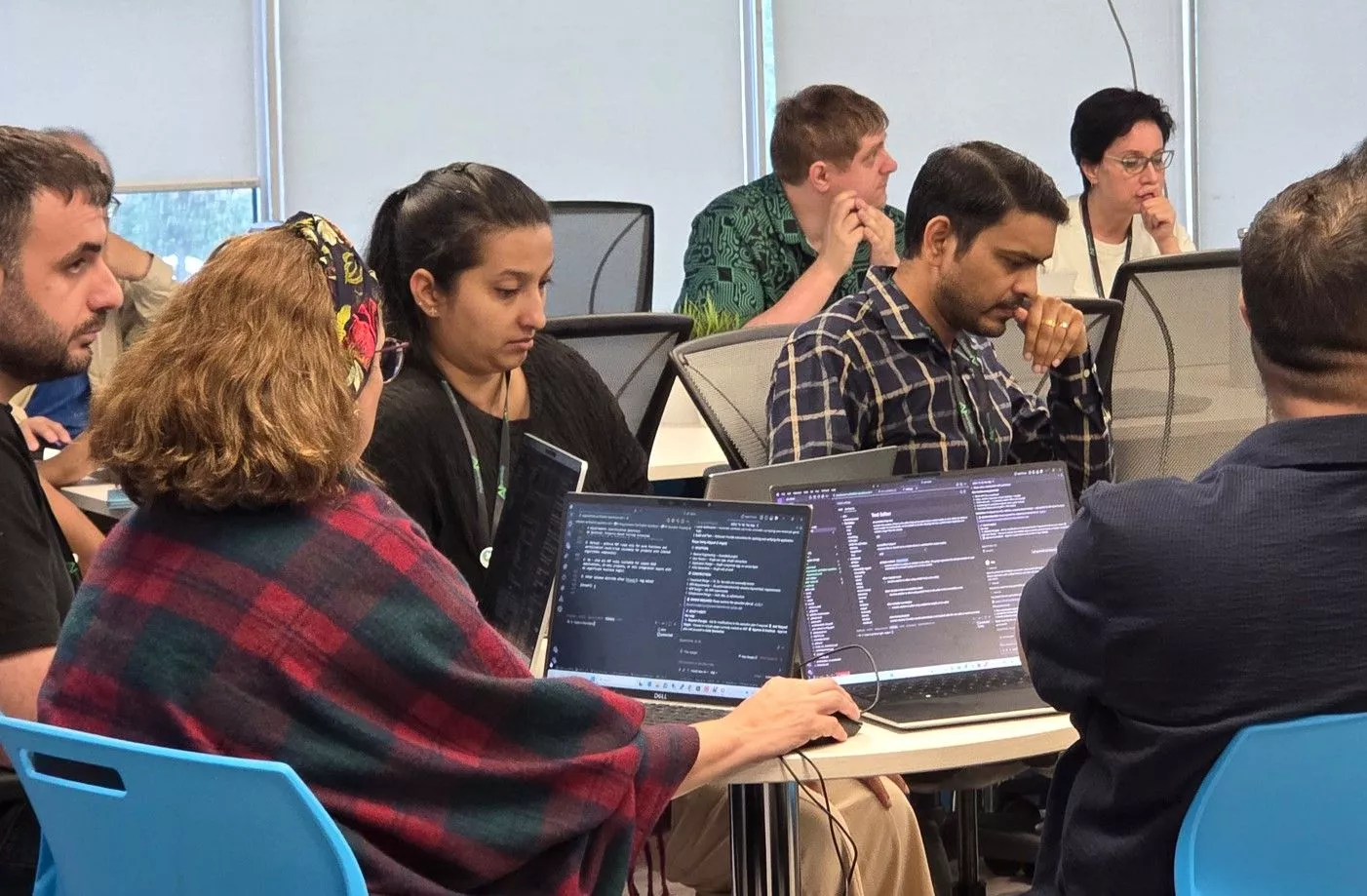
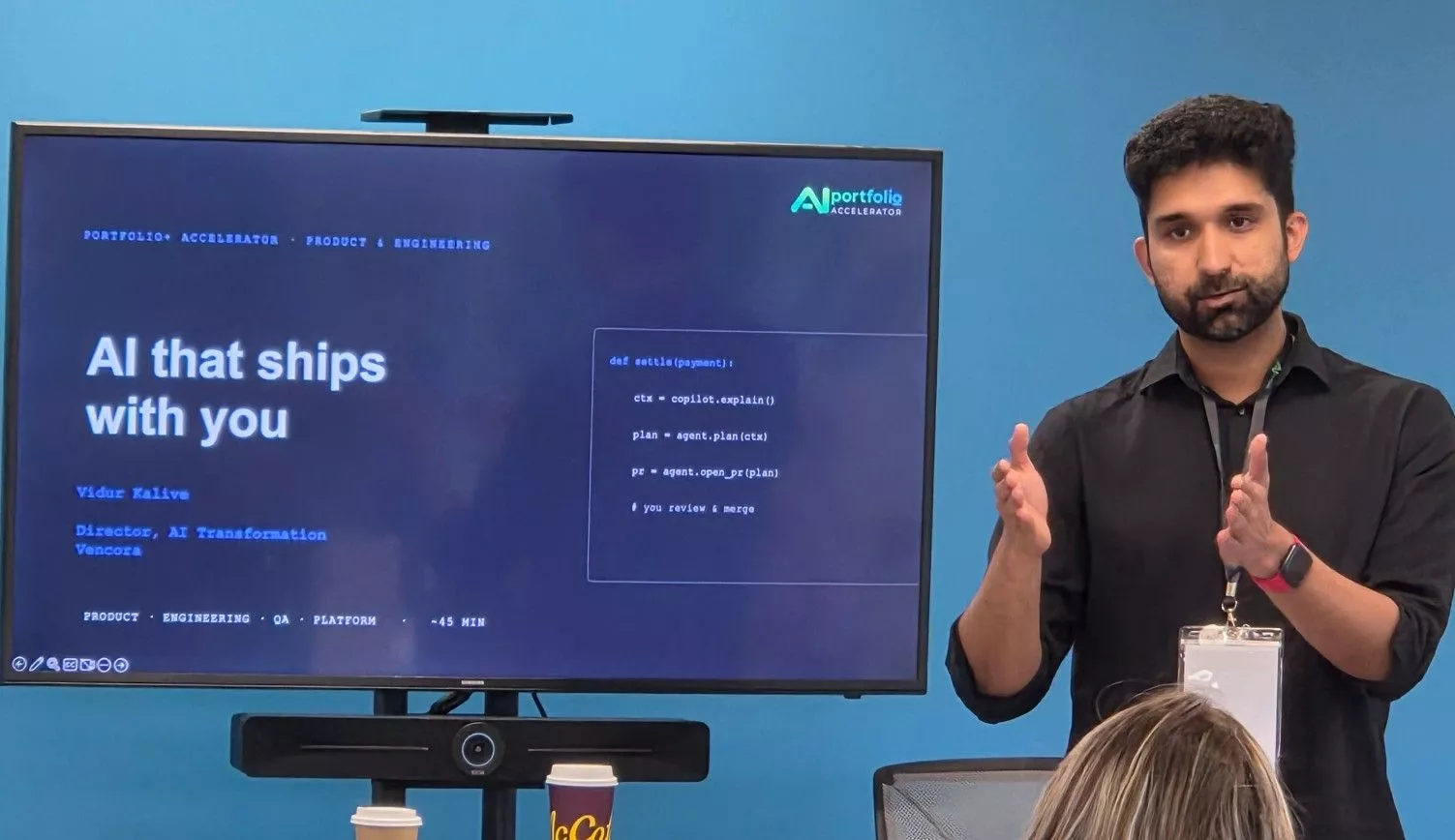
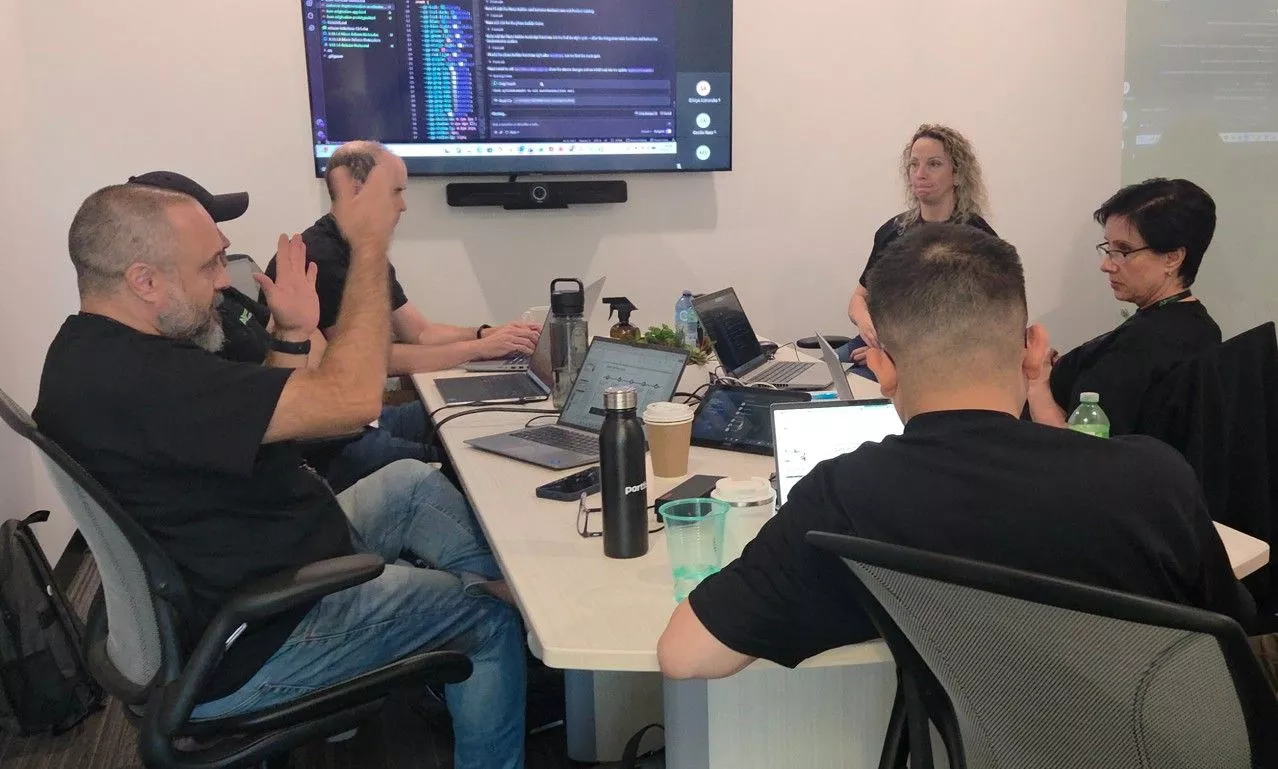
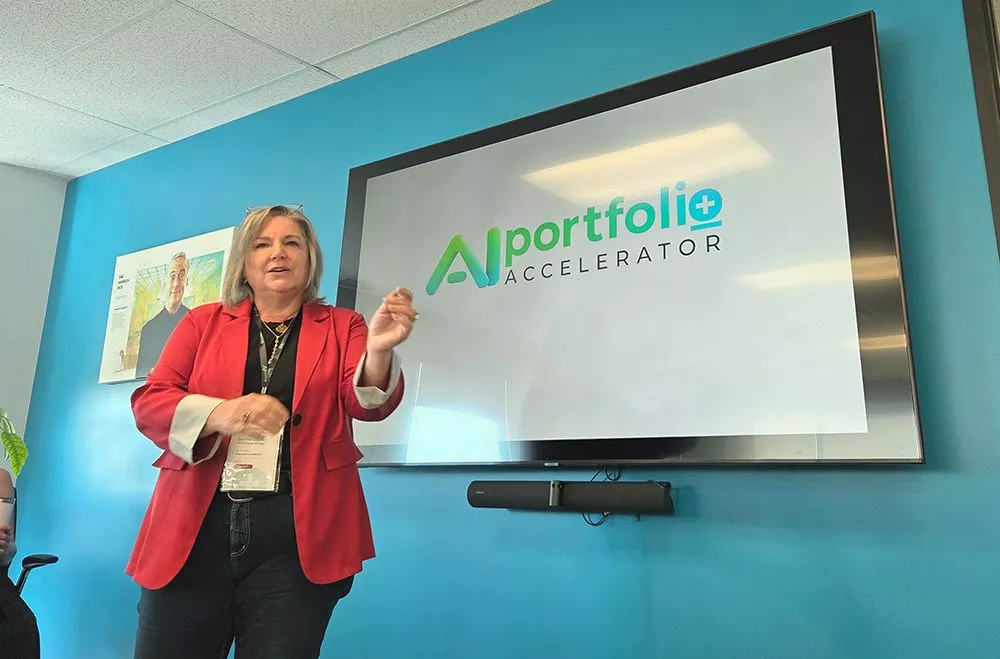
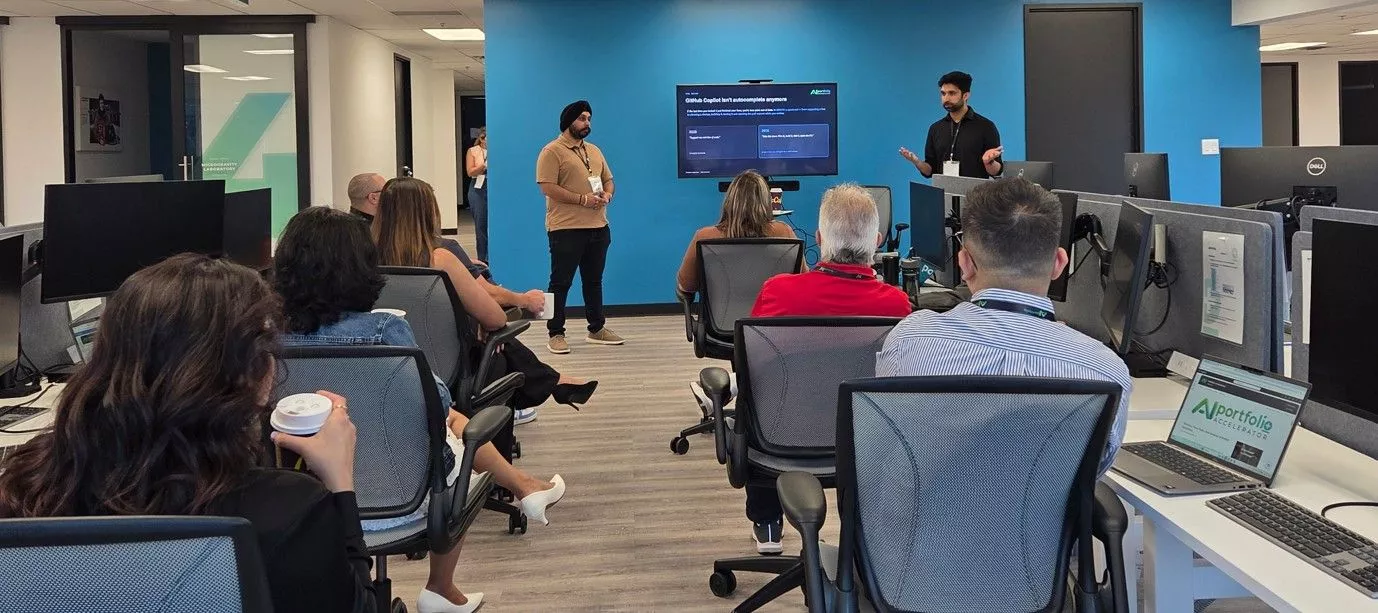
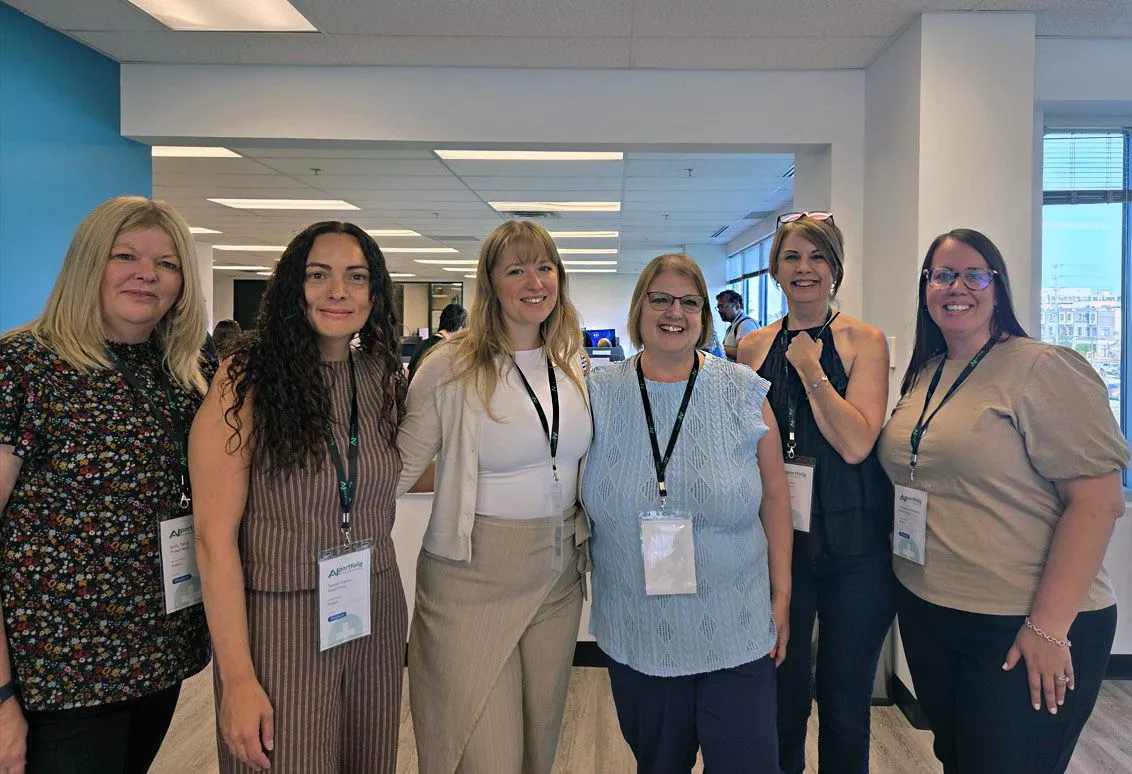
Teams were challenged to create a working demonstration, a clear statement of how it added value to customers or to the company, and a recommendation about how AI had impacted the output, with a metric to quantify the impact. “This is the design decision I would most encourage other leaders to copy, and it is the one that did the most work,” Dianne added.
“We did not hand teams a training exercise,” she shared about their decision to set the bar high for participants. “We gave them a list of business problems and opportunities that were already in our backlog, classified into three categories: revenue generating, technical debt reduction, and operational efficiency.”
Reflecting on the changes brought by AI, Dianne said that it isn’t just a tooling change for businesses, but a cultural and business transformation initiative. “Treat it that way, give your people real problems and the room to solve them, and they will take it further than you expect.”
Portfolio+ shared a video recap and written reflections.
TASS creates new prototypes and product workflows
In July 2026, TASS, a school management and learning analytics business, set aside a two-week development sprint to run a four-day AI accelerator followed by a week spent embedding new workflows. Team members were organized into eight cross-functional pods, and that pod-based, AI-paired way of working is already reshaping how the company builds products. TASS is now creating new roles in product leadership and for software developers experienced in working with AI.
“Our customers have plenty to look forward to,” said Lee Fisher, CEO of TASS. “In just two weeks, our eight pods prototyped eight new products and major features, many of which will reach customers in the coming months.”
“Looking ahead, I expect TASS to look meaningfully different twelve months from now,” he continued. “We’re already moving towards more of these focused, pod-based teams that will deliver modernized experiences across our platforms and, ultimately, greater value to customers, sooner.”
Zonal’s AI transformation in the year since being acquired
Zonal, a UK-based provider of electronic point-of-sale and hospitality technology solutions, has participated in several AI activities since being acquired by Volaris in February 2026. In April 2026, the company worked directly with the Volaris Business Transformation team and sent 35 engineers and product people to their office in Oxford, where they participated in a four-day AI accelerator with a developer track and a product track. Later that summer, Zonal ran another AI accelerator in Edinburgh, run by Zonal’s heads of R&D and product. Several participants from their April session were pulled in to act as coaches.
“One of the areas we’d struggled with before the acquisition was keeping up with our customers’ needs across a large product and customer base, which included writing features and fixing tech debt,” he shared.
“We’ve completely changed how we write code,” he said. “Issues we couldn’t get to the root cause of for years have been fixed in weeks using this new methodology… and what happens then is the rest of the business starts to buy in too.”
In August 2026, Zonal held an AI leadership track, which encouraged senior leaders to participate in coding sessions and look at how they could bring AI into different areas of the business. The team partnered with Mosaic to implement automation and AI in customer service. Leaders from across the business pitched ideas on how AI could help with day-to-day challenges, in a format inspired by Britain’s Got Talent.
Bravura Security event series focuses on departmental uses of AI
Bravura Security ran five department-focused AI accelerators over several months, which focused on applications for sales and marketing, customer success, customer support, G&A, professional services, finance, and IT.
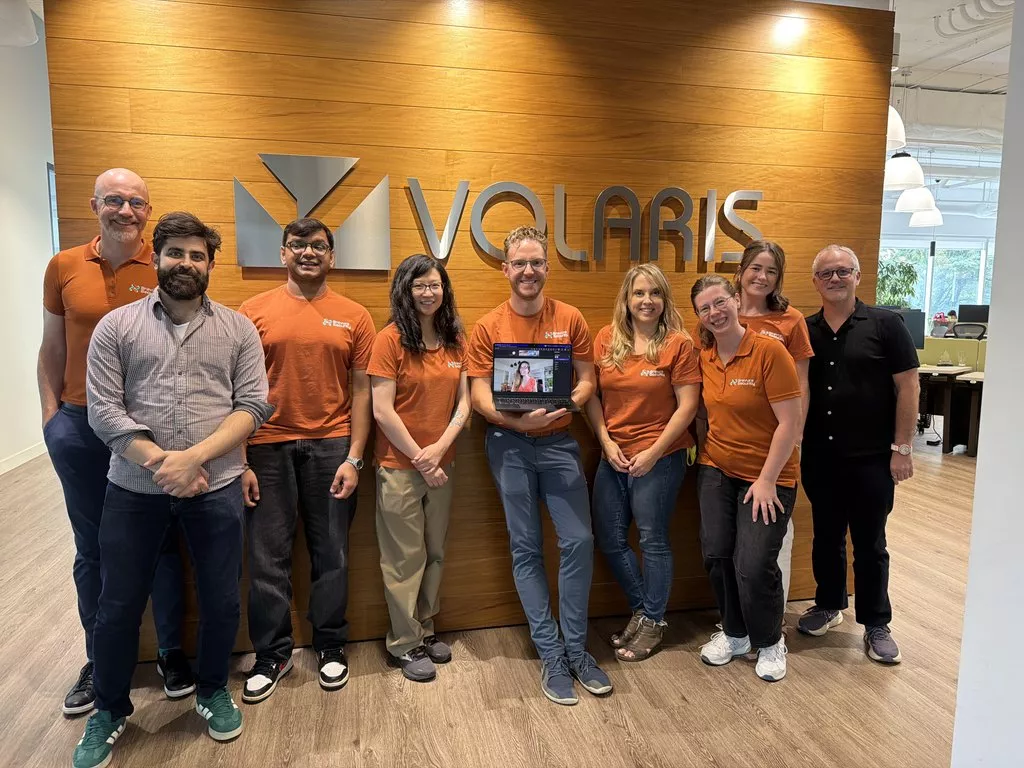
Bravura previously had success with incubating products that focused on password management and managing the identities of agents. They see AI as helping them speed up the development process and be more nimble against larger competitors, further enhancing their small company advantage.
“It allows our engineering team of eight to act like they are a team of 80,” said Bart Allan, General Manager of Bravura Security.
Furlong Solutions finds new product workflow
Furlong Solutions ran their AI Accelerator from September 14 to 18, 2026. Days one and two ran as two development and product streams, development and product, with the help of two coaches, including Portfolio AI Consultant Emily Wang. On days three and four, teams from mixed functions built proof of concepts.
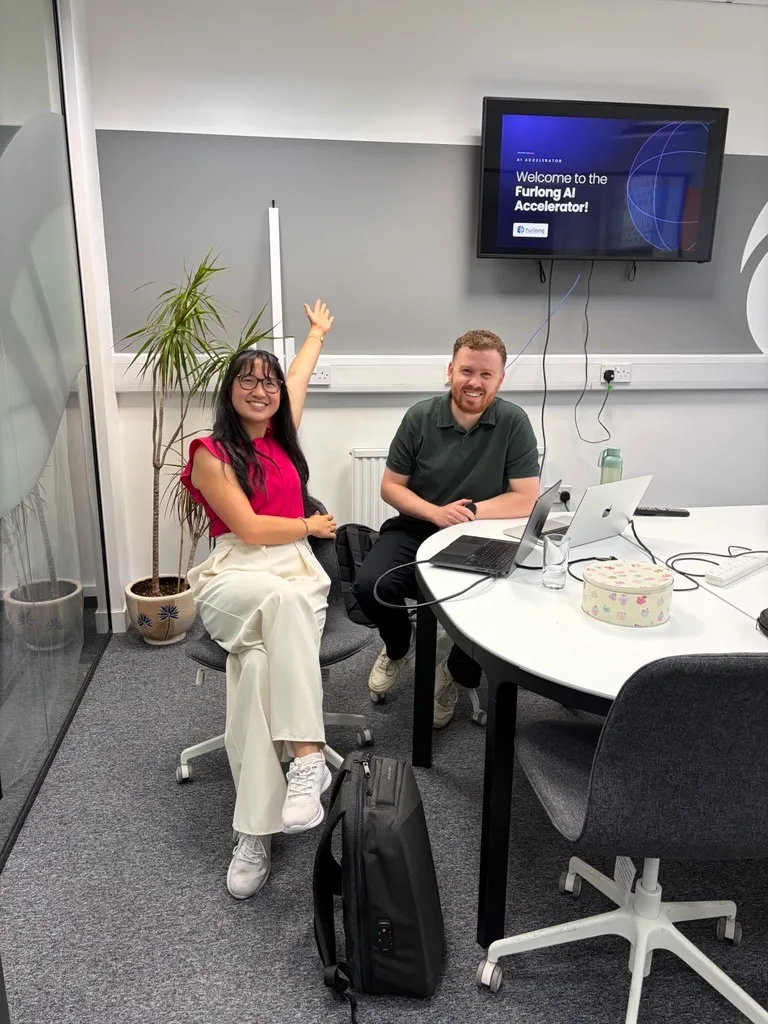
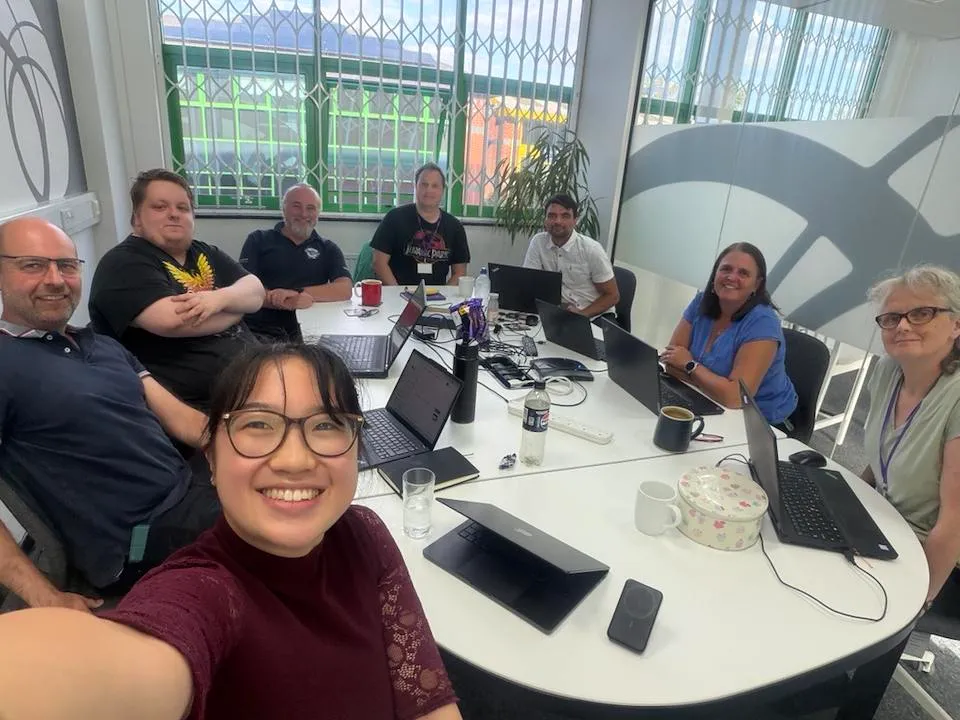
After participating in the program, Furlong decided to build a new product workflow centered on customer observation to feed into spec-driven development, standardize bug-fixing processes, and identify AI champions throughout the company. The accelerator helped the company spread enthusiasm about what AI could do for the business.
“We’re not chasing AI for its own sake,” said General Manager Miro Vujicic. “We’re asking where it can genuinely help school staff.”
Jack Barnett, Furlong’s R&D manager, shared a lesson from the week: “Rather than building things fast, build the correct things fast. Speed is worth nothing if nobody can say what the thing is worth to a customer.”
Covenir builds customer-facing, self-service AI portal
From October 12 to 25, 2026, Covenir organized an AI Accelerator in Greenville, South Carolina. The accelerator was hosted by Covenir’s President and CEO, David Squibb, . Other members of the team included Ross Champion, Director of IT & Compliance, Andy Daigle, R&D Manager, Beau Desrosiers, Developer, Anu Bairi, Data Analyst, Shanda Boyett, Director of Marketing, and Max Bedell, Director of Sales.
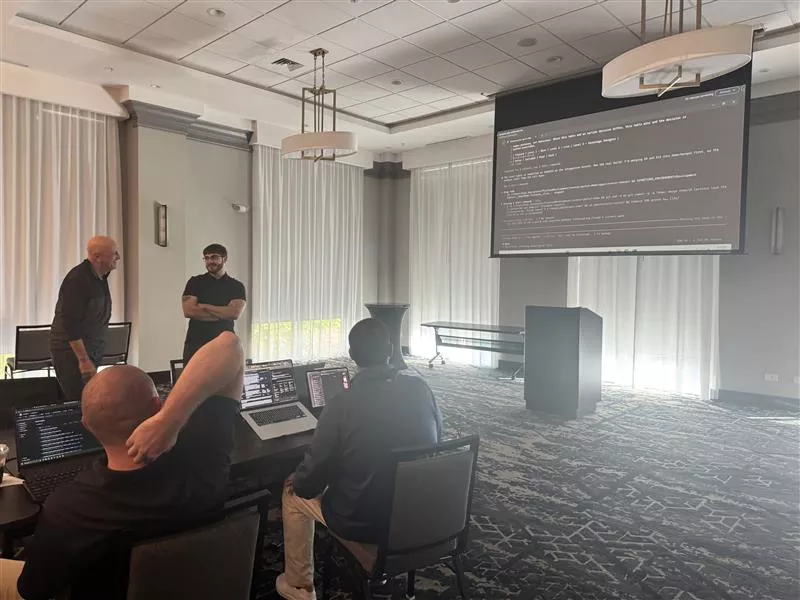
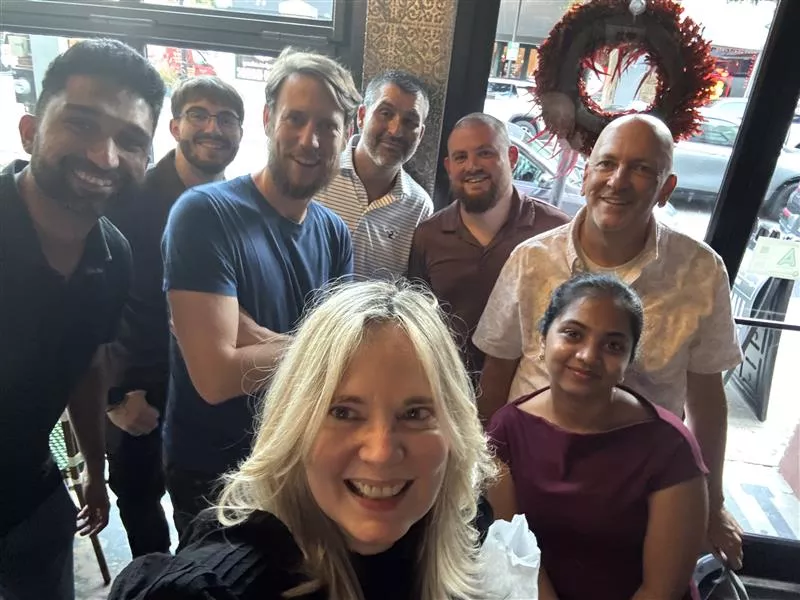
The working proof of concept built during the accelerator was Covenir Connect, a self-service portal for Covenir’s customers. The entire system was demonstrated for Covenir’s internal customers on Wednesday, with feedback assessed and factored back into the solution on Thursday.
Covenir demonstrated the solution for several customers for two weeks following the accelerator. Next steps after the accelerator: holding its customer conversations, connecting real data to the portal, and defining a first set of connectors so agents can act for customers.
The team shared three takeaways for any business planning its own accelerator:
- A fixed timeline makes the team choose. Building took days; deciding what to build and sell first is the real work.
- Synthetic data lets you build the experience before the plumbing is ready.
- Book customer sessions early and line up a backup date, because real customers have real emergencies.
“Great week bringing our platform closer to a production-ready environment,” said Covenir’s Director of IT and Compliance Ross Champion after the final day.
We are proud of our businesses for taking on this learning within their teams, and we look forward to seeing how their lessons learned can benefit the wider Volaris Group community.