











If you’re looking to advance your development as a leader in 2026, we’ve got inspiration for you. We polled our global community for their top business book recommendations, starting with communication and leadership topics. We hope these help with your goal-setting for the year.
Becoming a More Competent and Confident Leader
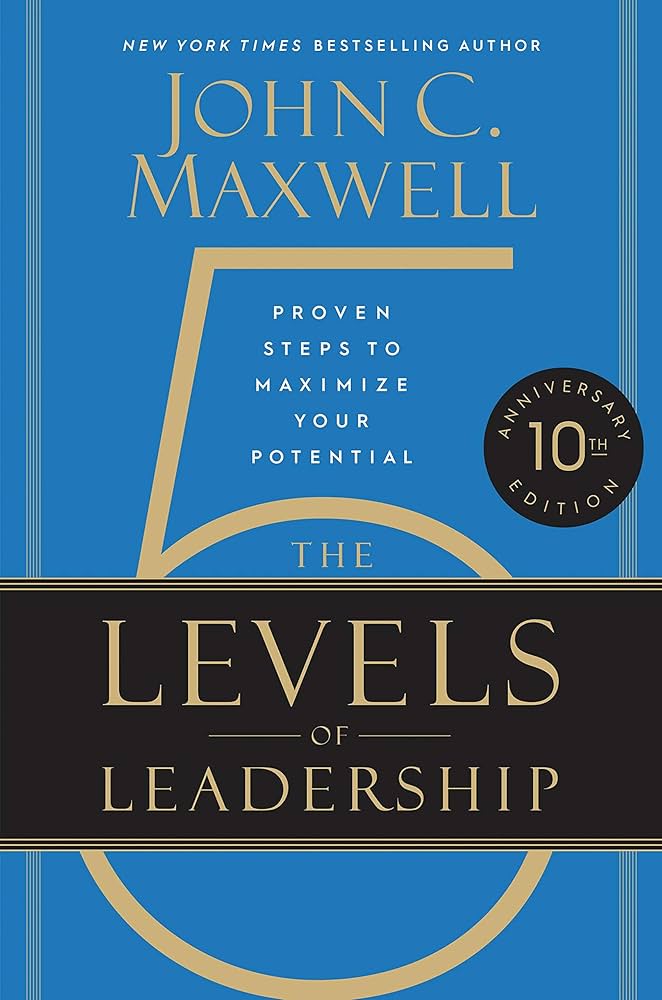
The Five Levels of Leadership: Proven Steps to Maximize Your Potential – John C. Maxwell
Being chosen for a leadership role is only the first of the five levels that every effective leader achieves. To move beyond “the boss” that people only take orders from because they have to, leaders need to master the ability to invest in people and inspire them. In this book, Maxwell describes each of the five levels and shows leaders how to progress through each to become more influential, respected, and successful.
Recommended by Elijah Mattox, Revenue Operations Manager, Wynne Systems: “An awesome book for leaders of all levels—from aspiring leader to manager to director, all the way to CEO. This book outlines a path to building relationships with people around you that inspire them to follow your lead. I like how it illustrates that a leader can be on different levels with different people on their teams and that leadership is a one-to-one practice.”
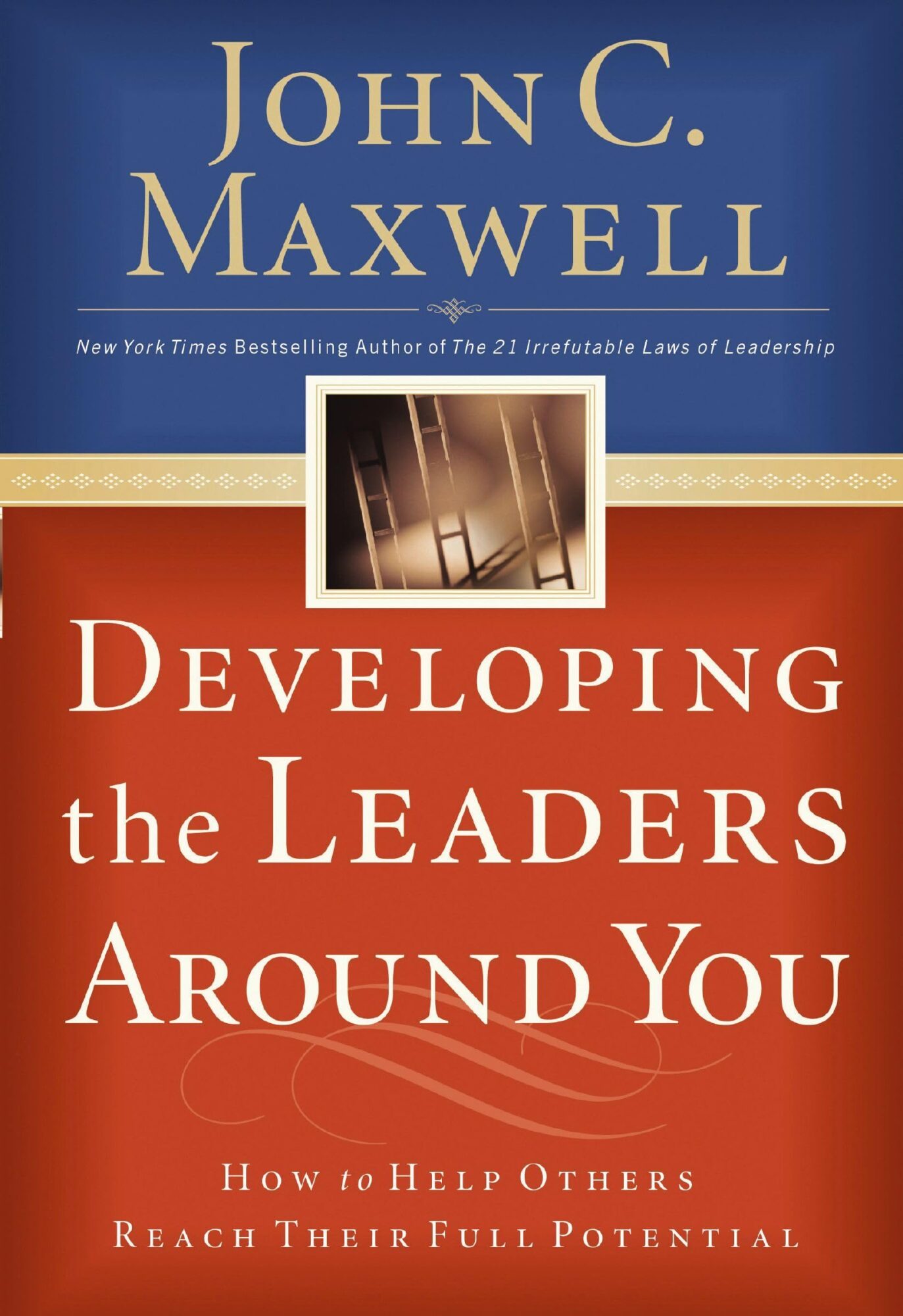
Developing the Leaders Around You: How to Help Others Reach Their Full Potential – John C. Maxwell
The premise of this book is that it’s not enough for a leader to have vision, energy, drive, and conviction. If you want to see your dream come to fruition, you must learn how to develop the leaders around you. John C. Maxwell explains how to create an environment for potential leaders, identify and nurture future leaders, equip and develop leaders, and form a dream team of leaders.
Recommended by Erna Hansen, General Manager, Windward: “Every book I have in my collection by J.C. Maxwell is great. He’s a master of the top truths and lessons of leadership. This one’s focused on talent development. Go get it!”
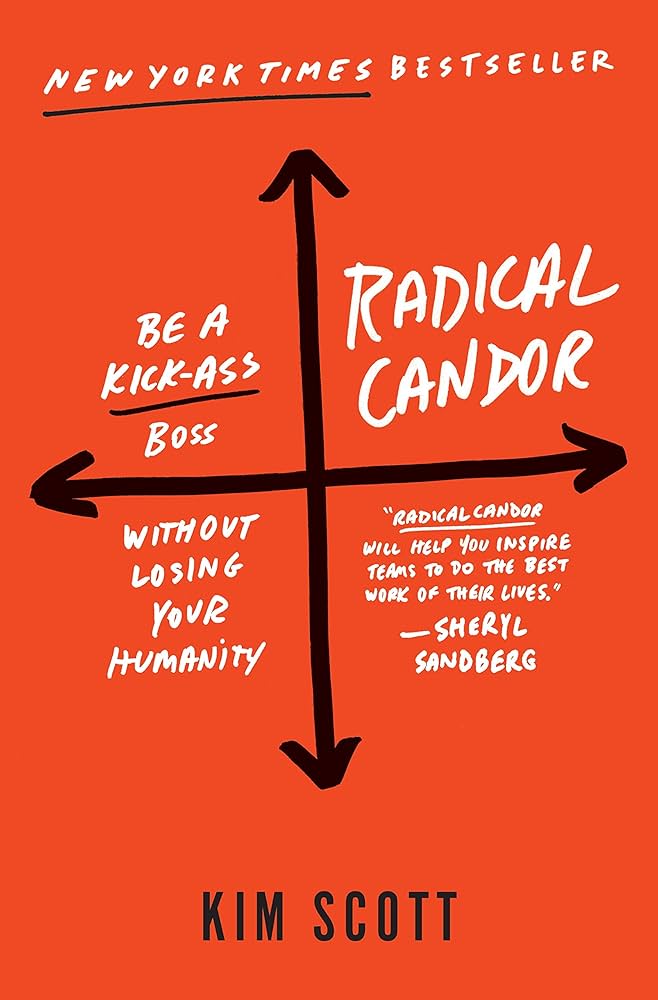
Radical Candor: Be a Kick-Ass Boss Without Losing Your Humanity – Kim Scott
Managing people doesn’t have to mean choosing between being a pushover or a jerk, believes Kim Scott, a former executive at Google and Apple and the founder of an executive education company. Instead, she advocates for an approach where leaders can be kind and clear at the same time to build cohesive teams and achieve results collaboratively. Her “Radical Candor” approach to relationships helps leaders avoid the traps of Obnoxious Aggression, Manipulative Insincerity, and Ruinous Empathy.
Recommended by Jenny Hobbs, Group Director of People, Omegro: “Offers a framework about how to give feedback that is kind, clear, specific, and sincere.”
Also recommended by Naomi Schellenberg, Vice President of Operations & Professional Services, Vontas: “I recommend this book to anyone—whether or not they’re in a management role or comfortable with confrontation—who wants to improve their ability to give direct, honest, and respectful feedback.”
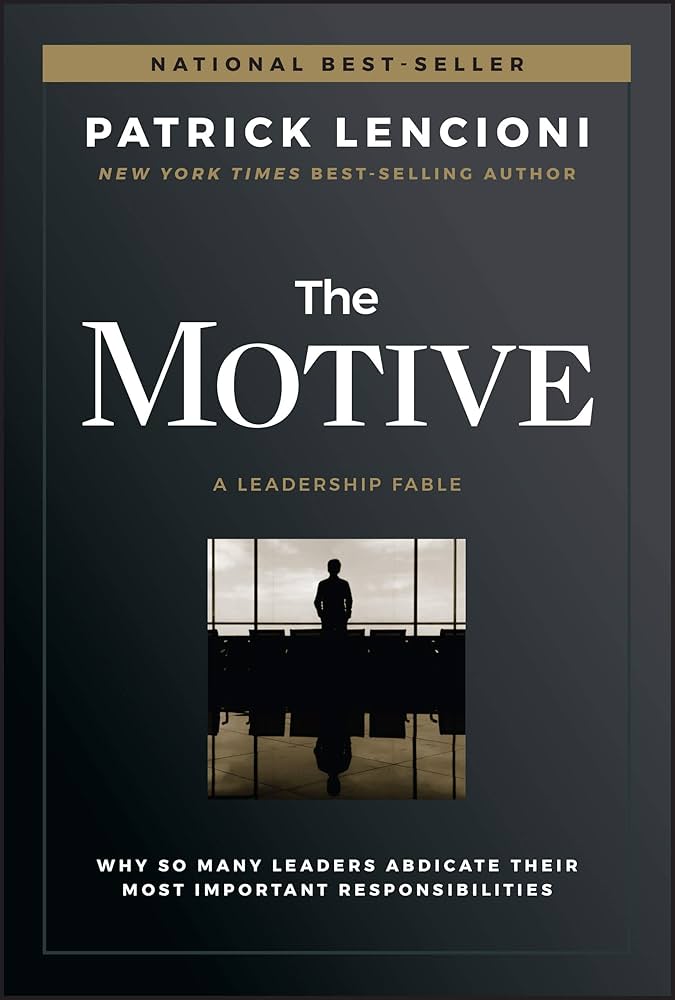
The Motive: Why So Many Leaders Abdicate Their Most Important Responsibilities – Patrick Lencioni
Patrick Lencioni’s book, The Motive, challenges readers to ask themselves what motivates them to be leaders. While some leaders are reward-centered, seeking status, money, and influence as perks of leadership, he says the purest motivation for leadership is responsibility-centered. Responsibility-centred leaders see their duty as being to serve and sacrifice for their team and organization. Lencioni argues the latter approach creates healthier organizations because leaders must prioritize the challenging but necessary tasks of service, coaching, and accountability over personal comfort.
Recommended by Erna Hansen, General Manager, Windward Software: “A must-read for anybody promoting an individual contributor into a people manager role. If money, title, and status are the key motivators for the person(s) you are considering promoting, leadership is likely not well-suited for that person. Dig deep for motives.”
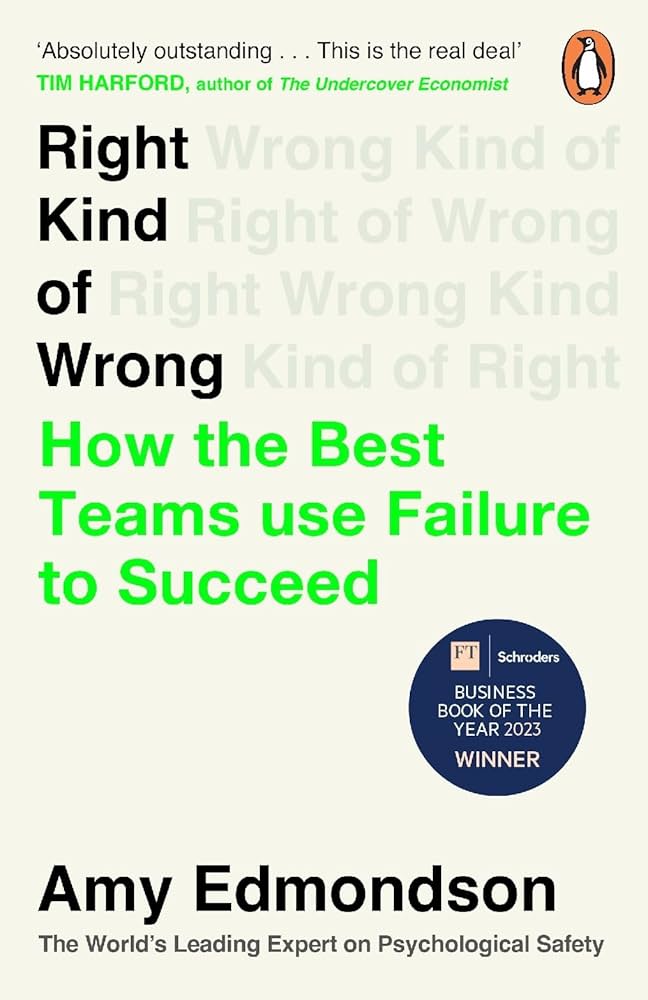
Right Kind of Wrong: How the Best Teams Use Failure to Succeed – Amy Edmondson
We used to think of failure as a problem, to be avoided at all costs. Now, we’re often told that failure is desirable – that we must ‘fail fast, fail often’. The trouble is, neither approach distinguishes the good failures from the bad. As a result, we miss the opportunity to fail well. Drawing on four decades of research into the world’s most effective teams, Amy Edmondson unveils the three archetypes of failure – basic, complex, and intelligent – and explains how to harness the revolutionary potential of the good ones (and eliminate the bad).
Recommended by Heather Lake, Customer Relationship Manager/Customer Success Manager, Gallery Systems: “This book teaches teams how to fail better. The author coined the term ‘psychological safety.'”
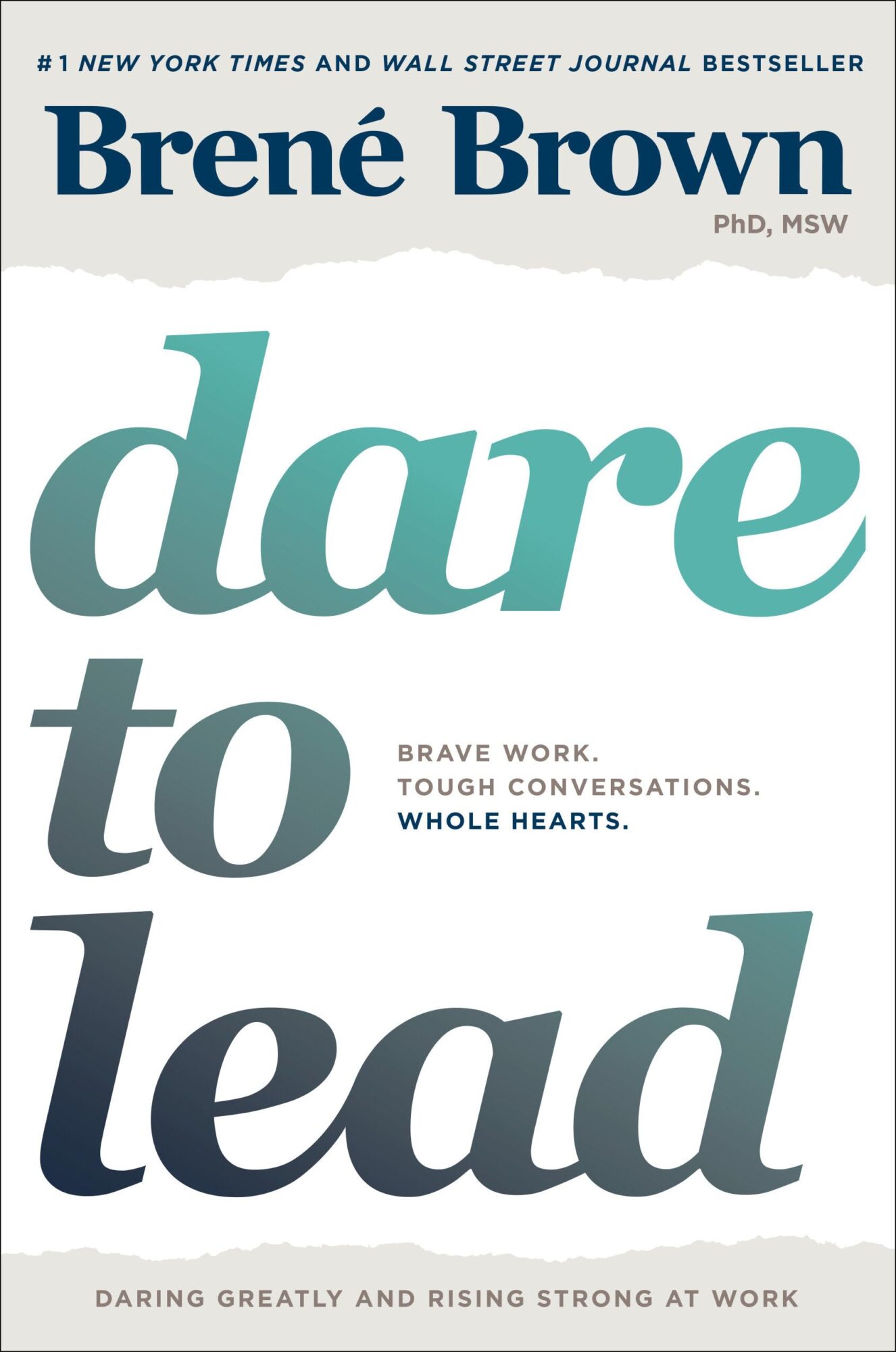
Dare To Lead – Brené Brown
Brave leadership is about recognizing the potential in people and ideas, then having the courage to develop that potential, argues Brown in her best-selling book based on research conducted with leaders, changemakers, and culture shifters. To scale daring leadership and build courage in organizations, we have to cultivate a culture in which we don’t avoid difficult conversations and situations and where people feel safe, seen, heard, and respected.
Recommended by Jenny Hobbs, Group Director of People, Omegro: “This book is valuable for any leader who wants to explore how to be vulnerable and build trust through mindful leadership.”
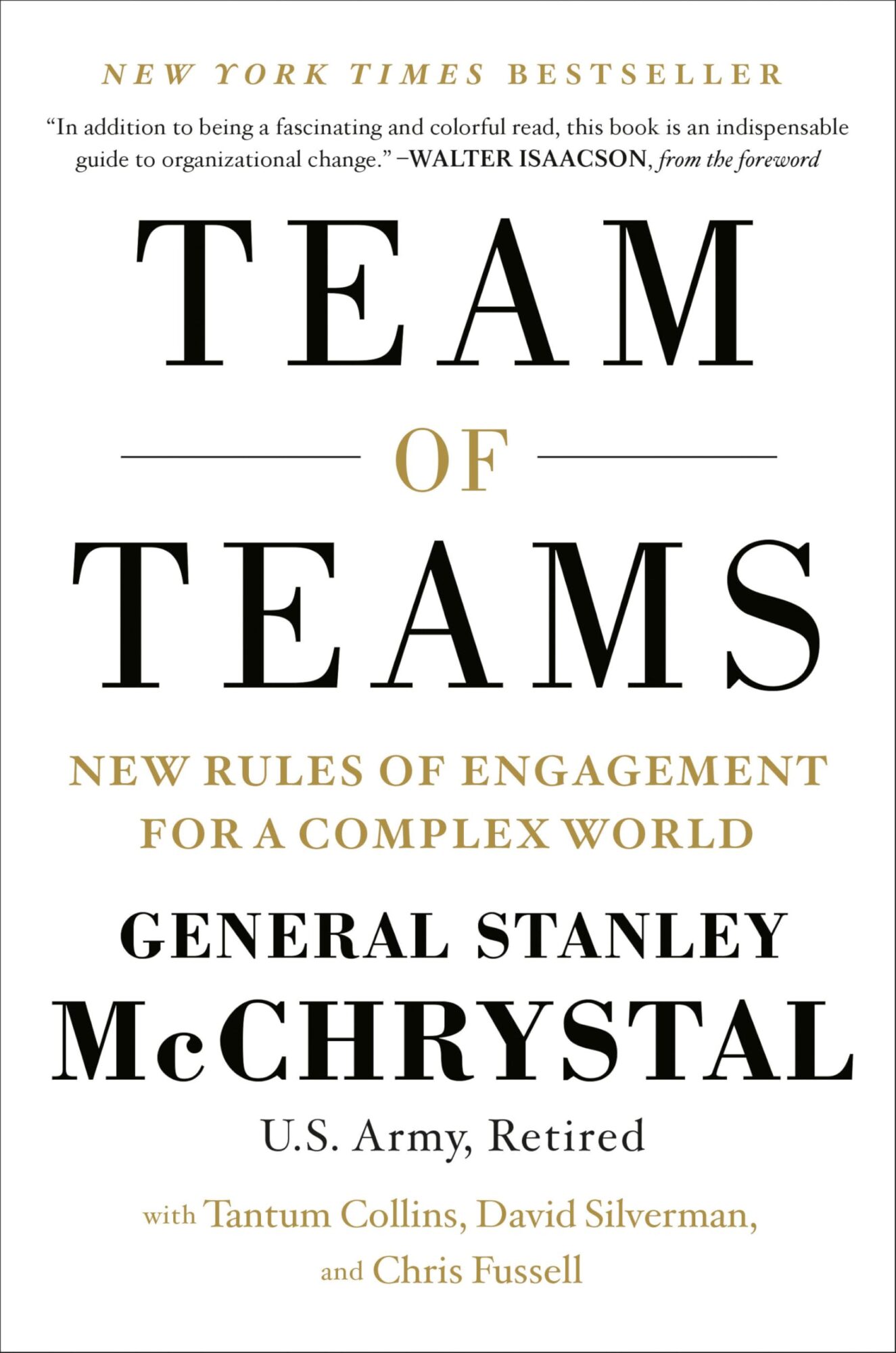
Team of Teams: New Rules of Engagement for a Complex World – General Stanley McChrystal
What if you could combine the agility, adaptability, and cohesion of a small team with the power and resources of a giant organization? It’s no secret that in any field, small teams have many advantages—they can respond quickly, communicate freely, and make decisions without layers of bureaucracy. But organizations taking on really big challenges can’t fit in a garage. They need management practices that can scale to thousands of people.
Recommended by Mathieu Hofert, Engineer Manager, Four Js: “In a world where complexity outpaces control, success depends on transforming rigid hierarchies into agile networks of trust and shared purpose.”
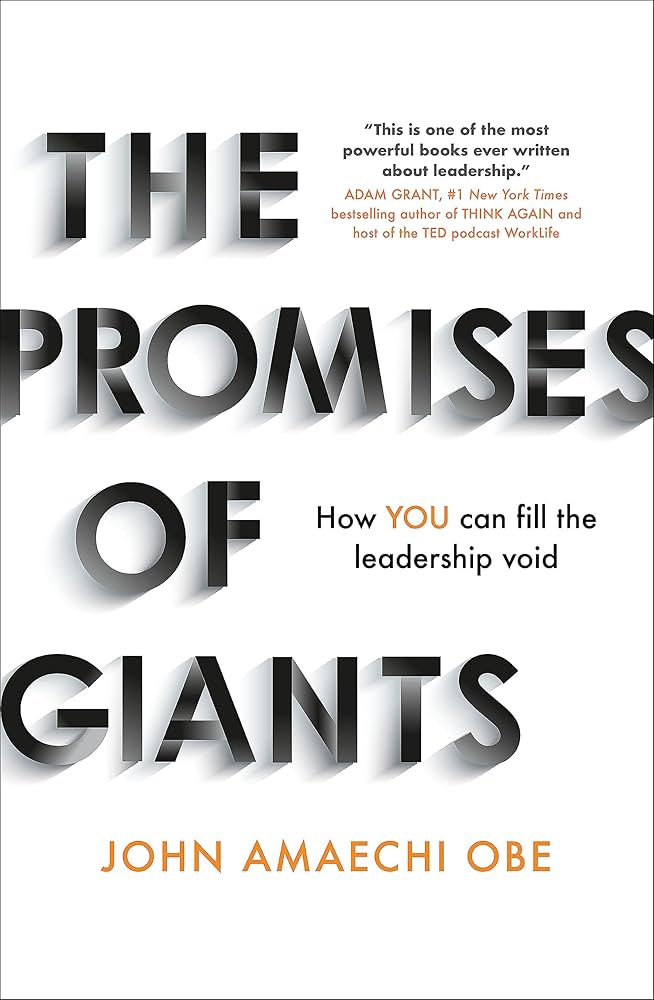
The Promises of Giants: How You Can Fill the Leadership Void – John Amaechi
Amaechi’s book is rooted in the belief that regardless of our titles, all of us wield influence and have the ability to lead. Amaechi suggests fourteen promises we should all make in an effort to become extraordinary leaders, promises that honor others’ humanity and inherent dignity, and help us take greater care in how we exercise our influence so it is deliberately productive and positive rather than unintentionally harmful to individuals around us and the organizations of human beings we work with.
Recommended by Chris Chinnapan, Director UK Bus and Coach, Trapeze Group: “It examines the behaviours and practices of leaders who have a positive impact on the world around them. A great read or listen.”
Building More Functional and Accountable Teams
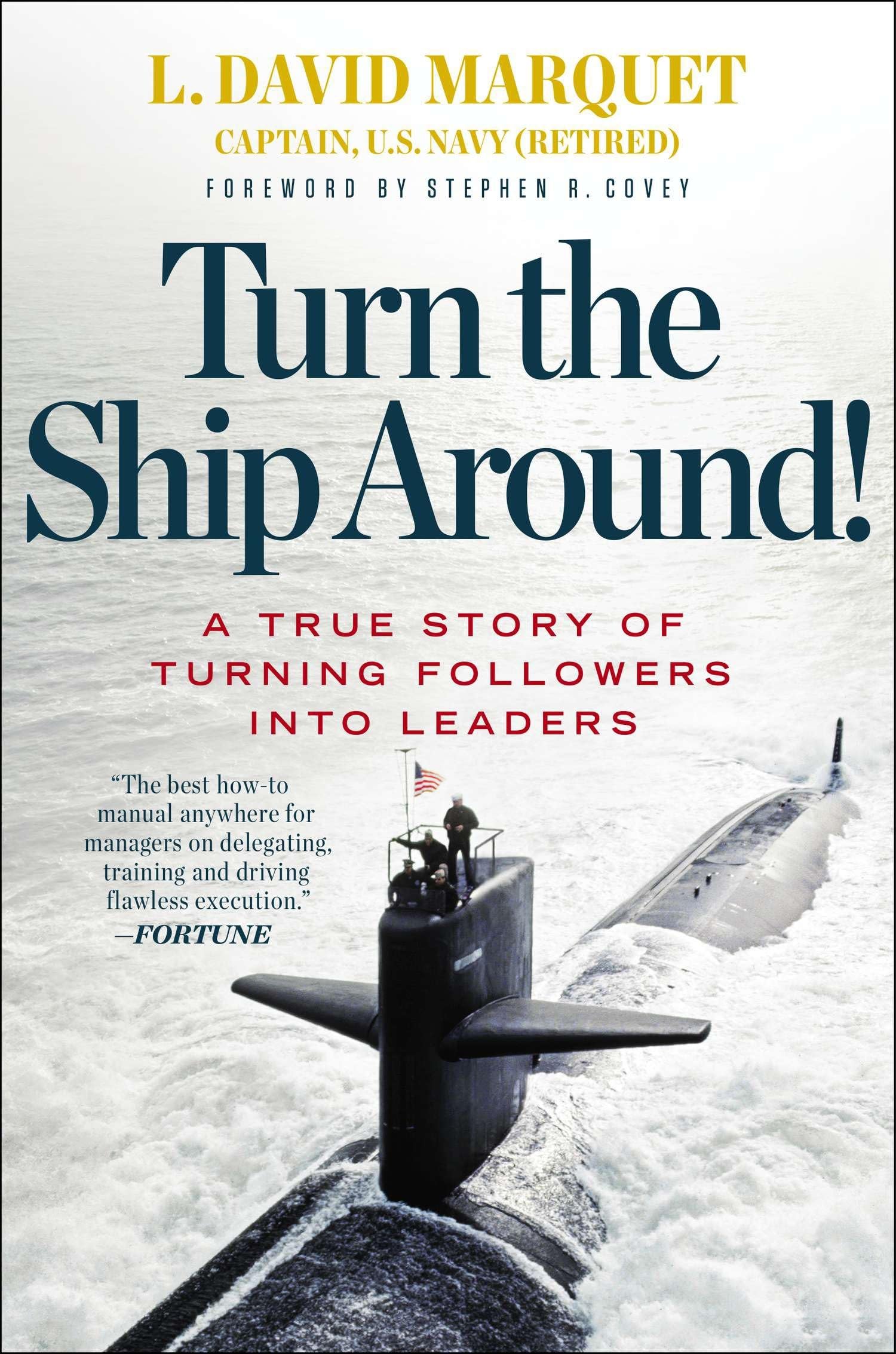
Turn The Ship Around! A True Story of Turning Followers into Leaders – L. David Marquet
Drawing from Marquet’s leadership lessons learned in the navy, Turn the Ship Around! tells the story of how a navy submarine crew transformed from one of the worst to best in the fleet by challenging the U.S. Navy’s traditional leader-follower approach. Trained to give orders in the navy’s traditional model of “know all–tell all” leadership, Marquet faced a new wrinkle when he was shifted to lead a new crew. Facing a high-stress environment with little margin for error, he was determined to reverse the trends he found on the team: poor morale, poor performance, and the worst retention rate in the fleet.
Marquet ran into trouble when he unknowingly gave an impossible order, and his crew tried to follow it anyway. When he asked why, the answer was: “Because you told me to.” Marquet realized that while he had been trained for a different submarine, his crew had been trained to do what they were told—a deadly combination. That’s when Marquet flipped the leadership model on its head and pushed for leadership at every level. Struggling against his own instincts to take control, he instead achieved the vastly more powerful model of giving control to his subordinates and creating leaders.
Recommended by Mathieu Hofert, Engineer Manager, Four Js: “Offers insights on how to transform a ‘leader-follower’ organisation into a ‘leader-leader’ organisation.”
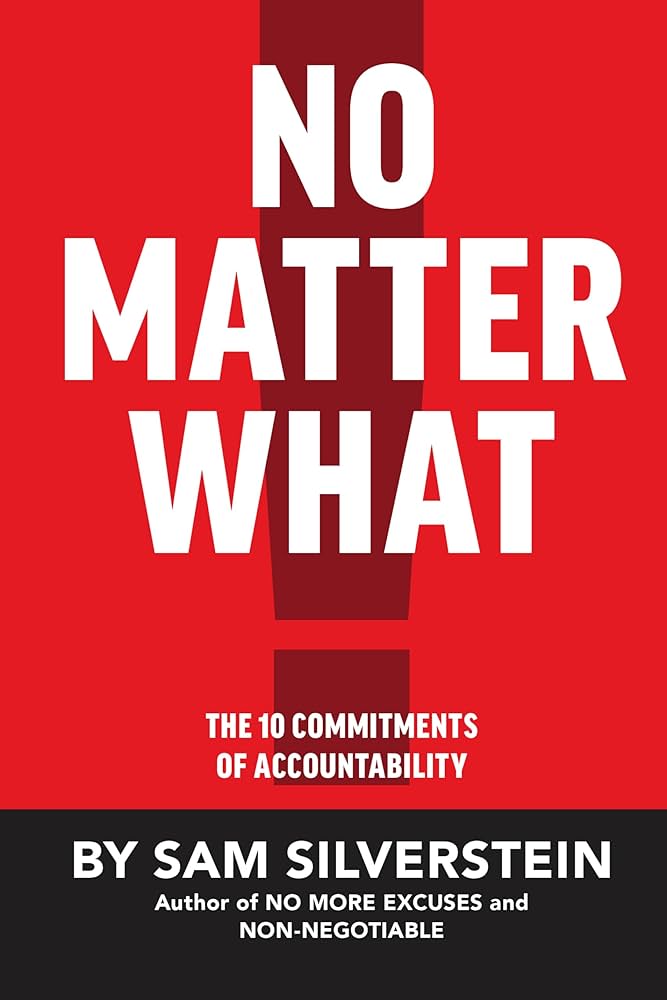
No Matter What: The 10 Commitments of Accountability – Sam Silverstein
What if the secret to being your best, attracting others to your cause, and leading people was merely knowing what, why, and how to commit to people? Having more meaningful relationships and making a difference in the lives of the people around you is possible when you harness the power of commitment, says Silverstein. The book explores how to make your word your bond, knowing and living your values, helping people be their very best, creating a good reputation in a troubled world, and developing and sustaining sound financial principles.
Recommended by Elijah Mattox, Revenue Operations Manager, Wynne Systems: “My favorite concepts from this book are the idea of communicating fully to reduce ambiguity in change leadership and ‘helping stay accountable’ instead of ‘holding accountable.’ It gives a great way of reframing accountability as a team sport rather than a top-down punishment.”
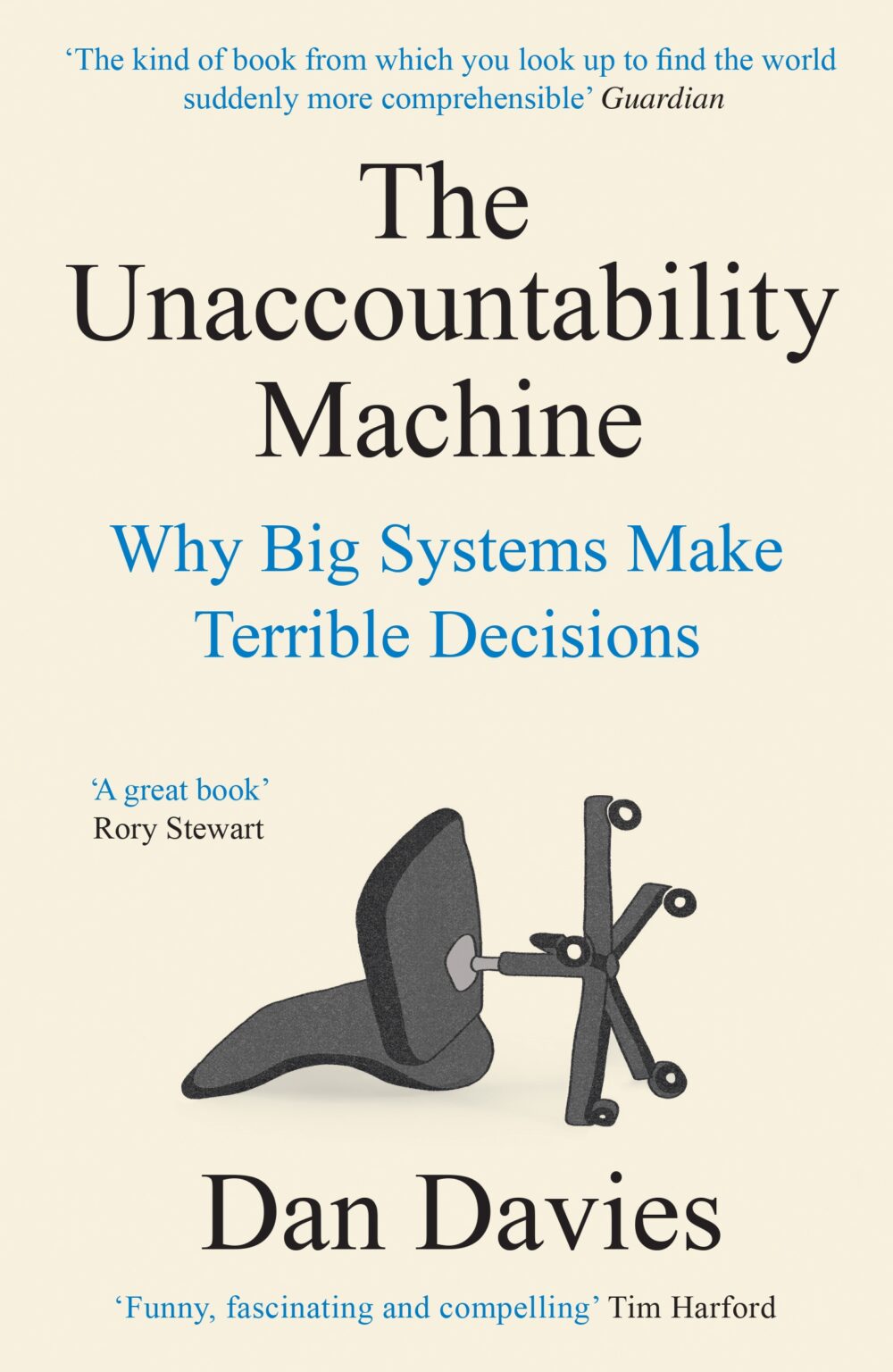
The Unaccountability Machine: Why Big Systems Make Terrible Decisions – Dan Davies
Passengers get bumped from flights. Phone menus disconnect. Automated financial trades produce market collapse. Of all the challenges in modern life, some of the most vexing come from our relationships with automation: a large system does us wrong, and there’s nothing we can do about it. The problem, economist Dan Davies shows, is accountability sinks: systems in which decisions are delegated to a complex rule book or set of standard procedures, making it impossible to identify the source of mistakes when they happen. In a world increasingly dominated by algorithms, artificial intelligence, and large organizations, these accountability sinks produce more than just aggravation. They make life and economy unknowable—a black box for no reason. An insight for leaders? Avoid designing or maintaining organizational processes where responsibility is diffused. If a decision cannot be traced back to a person who can fix it, the system is designed to fail.
Recommended by Simon Nugent, Group Leader, Volaris Group: “Nice to occasionally read a book where you think, ‘OK, we’re actually doing something right!’ It’s very insightful on the architecture of large organizations and why decentralization is a good idea.”
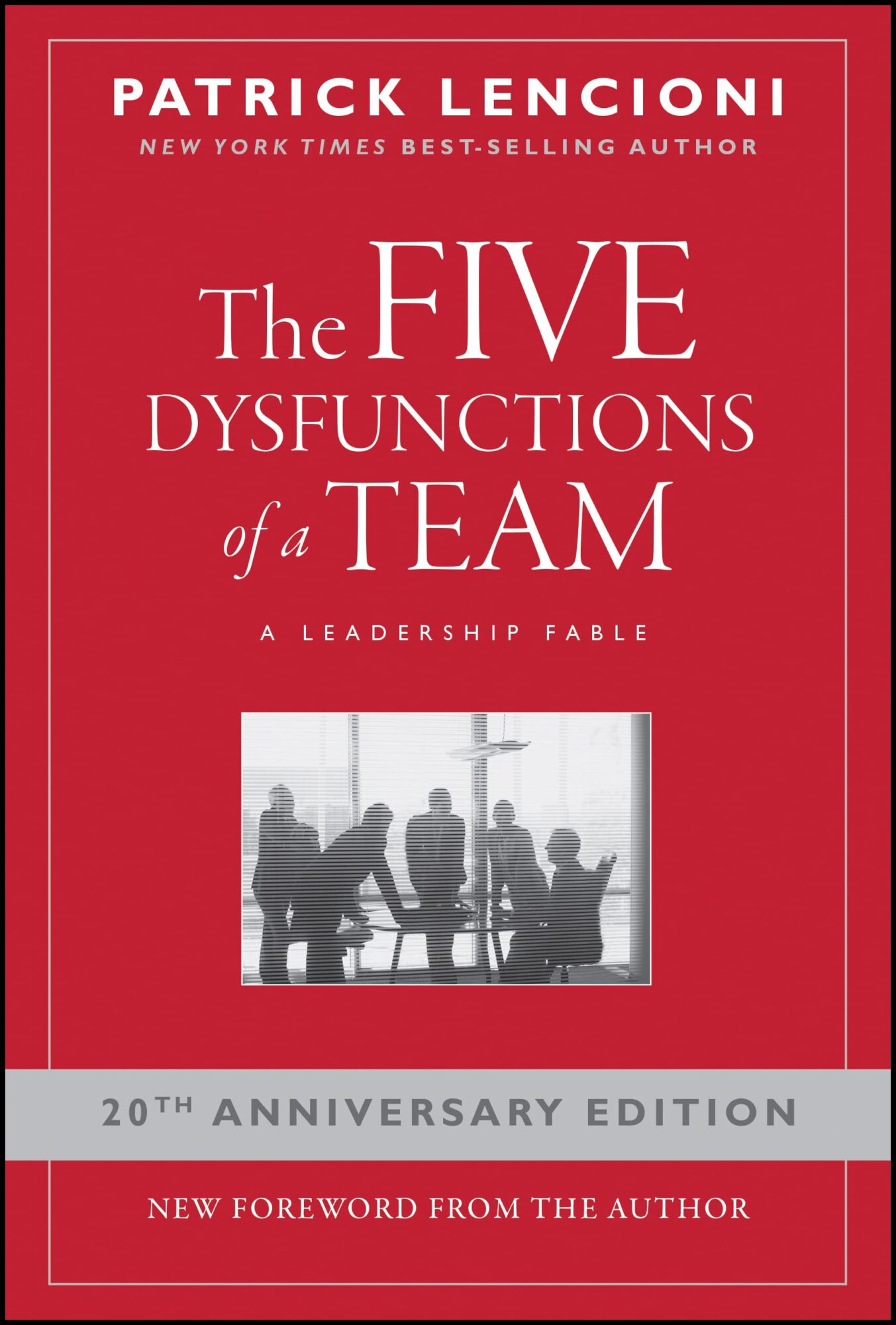
The Five Dysfunctions of a Team: A Leadership Fable – Patrick Lencioni
The Five Dysfunctions of a Team presents a fable that follows the travails of Kathryn Petersen, DecisionTech’s CEO, as she faces a leadership crisis. She must unite a team in such disarray that it threatens to derail the entire company. Equal parts leadership fable and business handbook, this definitive source on teamwork by Patrick Lencioni reveals the five behavioral tendencies that go to the heart of why even the best teams struggle. He offers a powerful model and step-by-step guide for overcoming those dysfunctions and getting everyone rowing in the same direction.
Recommended by Mary Finnimore, CEO, Infoview: “Offers a clear, practical framework for building trust, fostering healthy conflict, and driving accountability. It’s an essential read for any leader seeking to transform a group of individuals into a cohesive, high-performing team.”
Also recommended by Erna Hansen, General Manager, Windward Software: “It’s a fun, short read with an impactful message about creating leadership teams where the elusive but necessary healthy conflict can flourish. If your team is always getting along famously with no disagreements? Run, don’t walk, to pick this up now and read it. Time to get all the ‘after the meeting’ conversations back into the meeting.”
Refining Communication Skills at Work
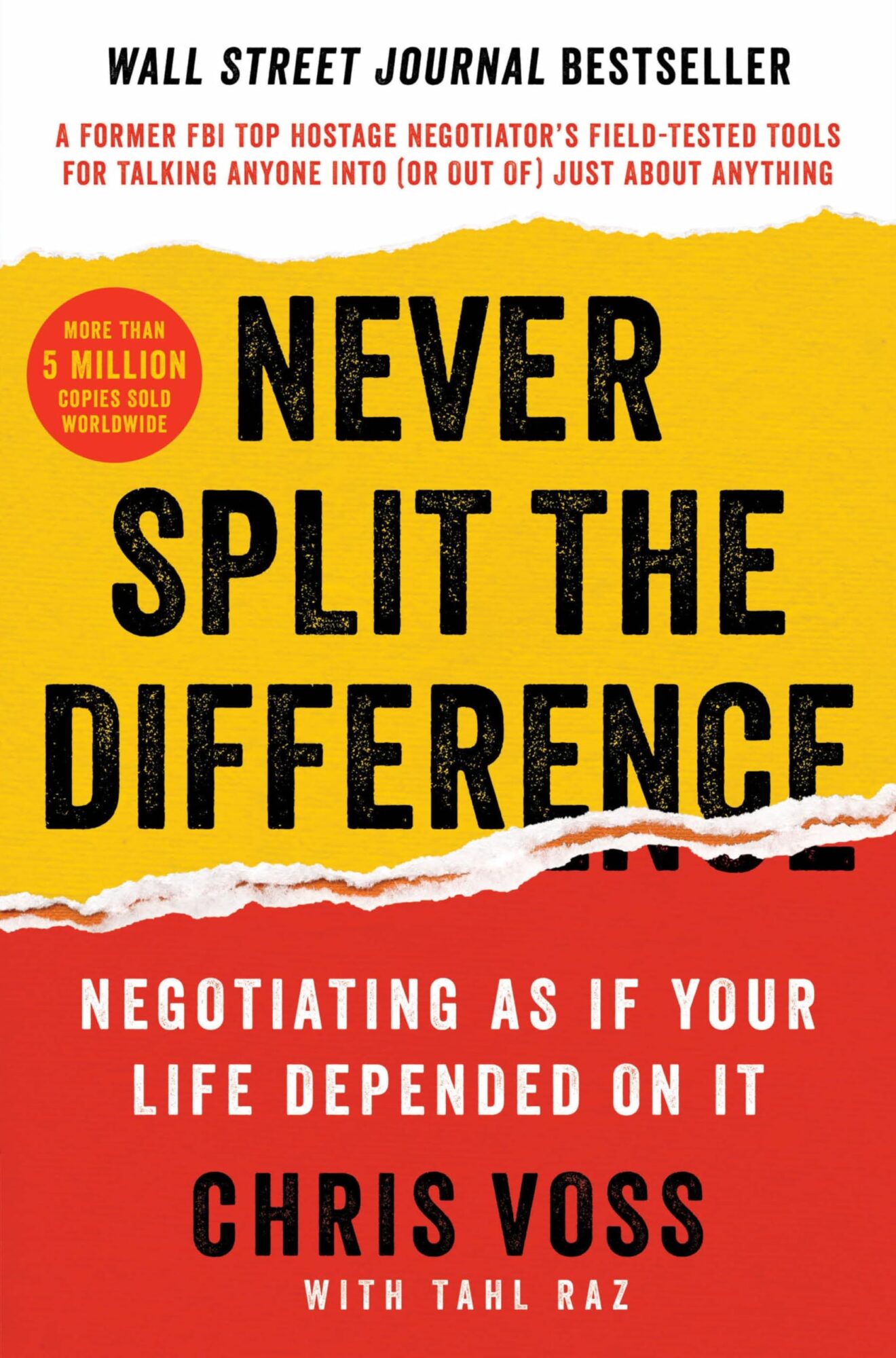
Never Split the Difference: Negotiating As If Your Life Depends On It – Chris Voss
After a stint policing the rough streets of Kansas City, Missouri, Chris Voss joined the FBI, where his career as a hostage negotiator brought him face-to-face with a range of criminals, including bank robbers and terrorists. Reaching the pinnacle of his profession, he became the FBI’s lead international kidnapping negotiator. Never Split the Difference takes you inside the world of high-stakes negotiations and into Voss’s head, revealing the skills that helped him and his colleagues succeed where it mattered most: saving lives. In this practical guide, he shares the nine effective principles―counterintuitive tactics and strategies―you too can use to become more persuasive in both your professional and personal life.
Recommended by Ben Smith, IT Team Lead, Trapeze Group: “The author shares his insight as a former FBI hostage negotiator, in situations when the stakes are at their highest. He takes principles used in hostage negotiation and translates them into principles that can be applied in business and everyday life. He makes the point that people are driven by emotion and not logic, and that making people feel understood is the key to negotiation rather than just making offers.”
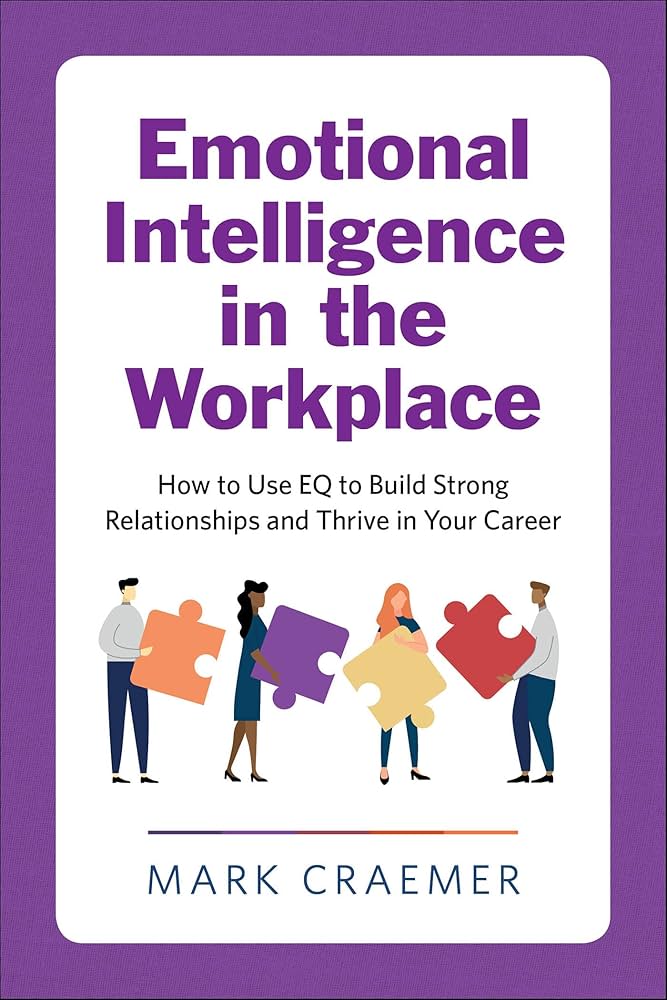
Emotional Intelligence in the Workplace: How to Use EQ to Build Strong Relationships and Thrive in Your Career – Mark Craemer
Emotional intelligence refers to your skill at identifying and effectively responding to what you, and the people around you, are thinking and feeling―and it’s especially important in professional settings. Emotional Intelligence in the Workplace is a guide to developing your emotional intelligence, with actionable advice and exercises that help you make empathetic decisions, manage stress, resolve conflict, and maintain productive working relationships.
Recommended by Fred Williams, Customer Care Analyst & Support Agent, equivant: “This book helped me understand a lot of things better – fostering better communication, stronger teamwork and increasing effective productivity through social skills.”
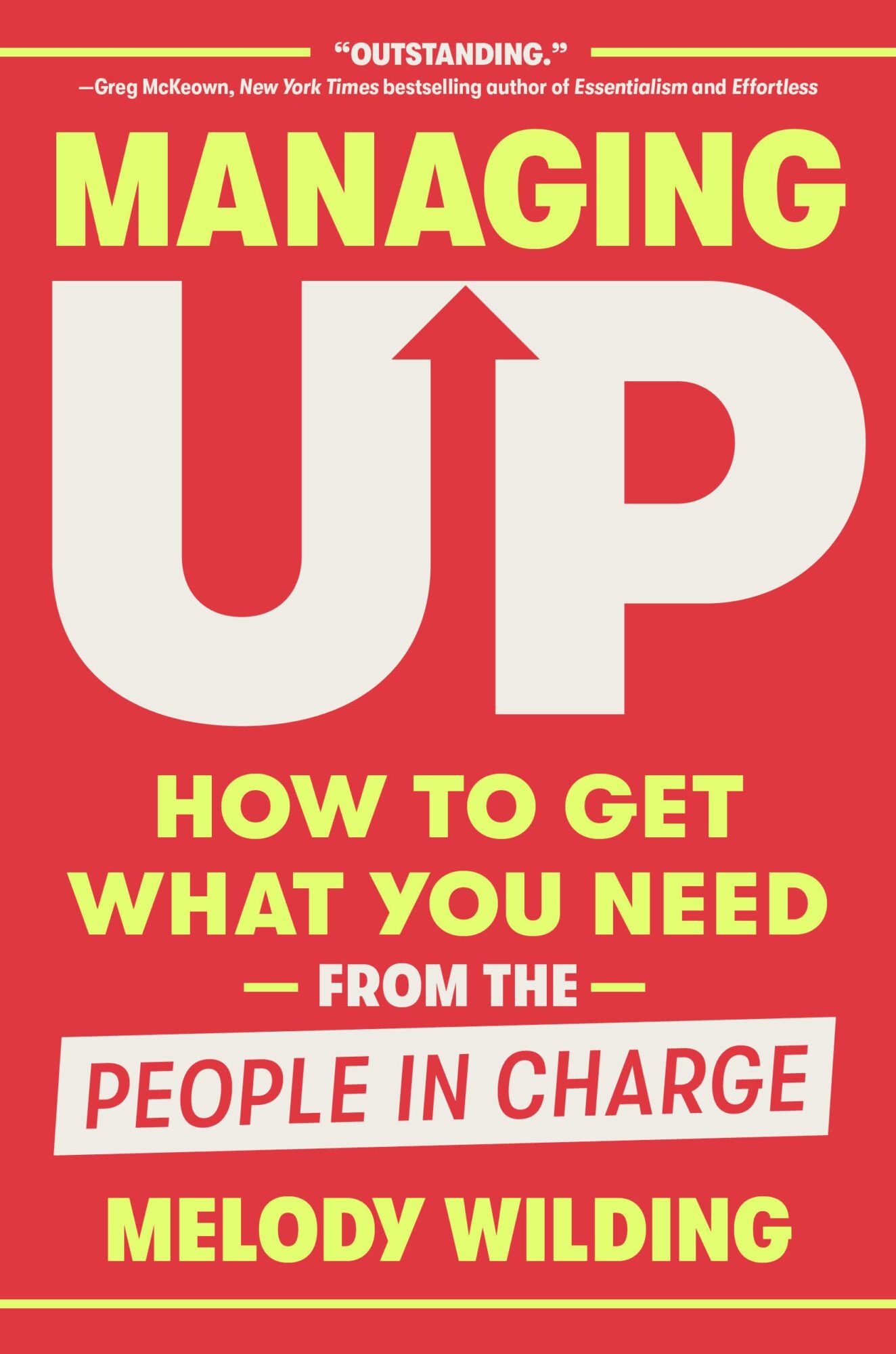
Managing Up: How to Get What You Need from the People in Charge – Melody Wilding
When you can navigate the power dynamics between you and higher-ups, you unlock more freedom, fulfillment, and earning potential. Managing Up helps readers navigate 10 conversations to help them stop feeling at the mercy of politics and start confidently shaping your own future at work. This book offers a practical guide to providing feedback up the chain of command that gets implemented, pushing back on extra work without being perceived as difficult, and building a strong case for the raise and recognition you’ve earned.
Recommended by Christopher Leonard, President, Agronomix: “This is one of the most practical leadership books I’ve read in years because it tackles a blind spot most leaders don’t even realize they have: how to build healthy, high-trust, high-clarity relationships with the people they report to and the people who report to them. Wilding focuses on the emotional intelligence and communication habits that make leaders more effective—not just more efficient. The book is especially valuable for leaders (and emerging leaders) because it teaches skills that are rarely taught in management programs: how to anticipate your leader’s needs, adapt your communication style, navigate mixed expectations, influence without authority, and build upward trust. It’s a playbook for reducing friction, preventing misunderstandings, and creating smoother execution across any organization.”
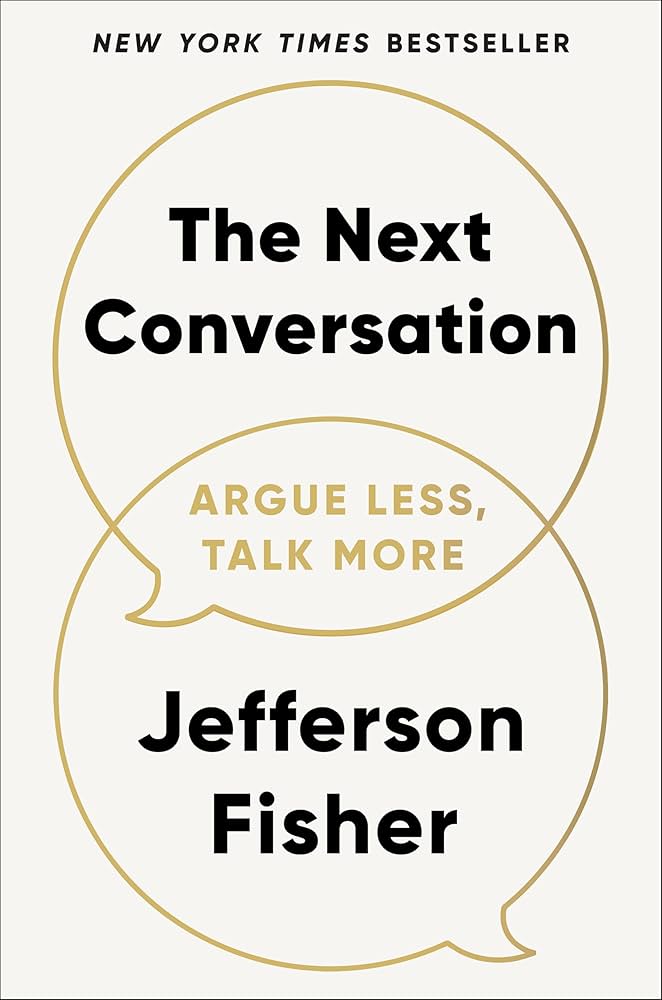
The Next Conversation: Argue Less, Talk More – Jefferson Fisher
Jefferson Fisher, trial lawyer and one of the leading voices on real-world communication, offers a tried-and-true framework that will show you how to transform your life and your relationships by improving your next conversation. Whether it’s handling a heated conversation, dealing with a difficult personality, or standing your ground with confidence, his down-to-earth teachings have helped countless people navigate life’s toughest situations. Fisher distills his three-part communication system (Say it with control, Say it with confidence, Say it to connect) that can easily be applied to any situation. Your every word matters, and by controlling how you communicate every day, you will create waves of positive impact that will resonate throughout your relationships to last a lifetime.
Recommended by Erna Hansen, General Manager, Windward Software: “Full of ‘a-ha’ moments and fantastic guidance on handling conflict and disagreements. Chock full of tips for how to have a conversation that is engaging and productive, even where there is disagreement. Thanks to Jeff Loomis, Director of Business Development at InTempo Software for recommending this one!”
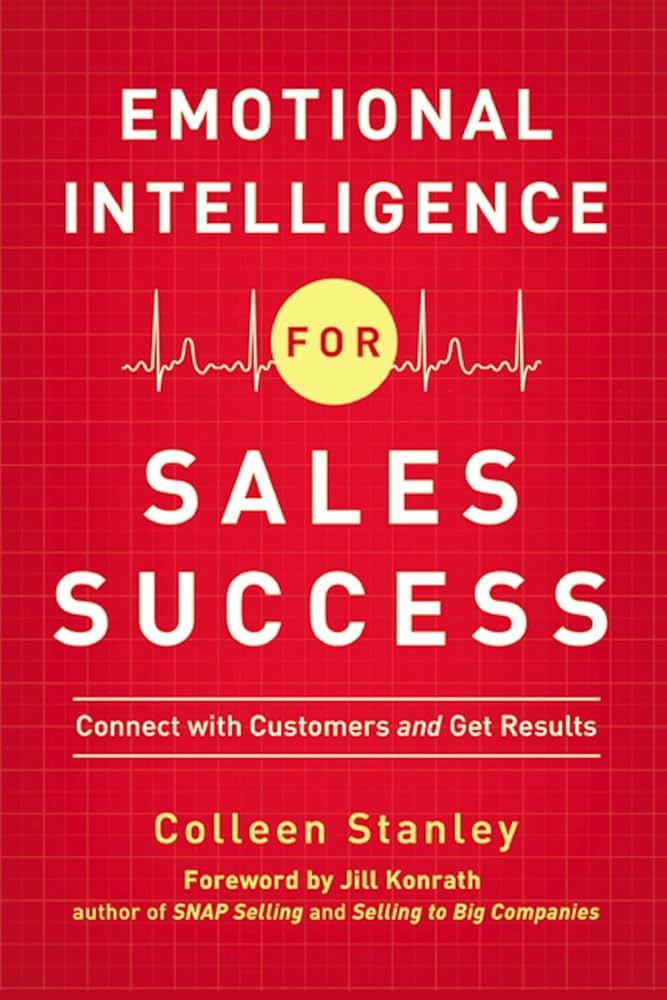
Emotional Intelligence for Sales Success: Connect with Customers and Get Results – Colleen Stanley
Sales trainer and expert Colleen Stanley cites studies that show how emotional intelligence (EI) is a strong indicator of sales success–and offers tips on how you can sharpen your skills and expand your emotional toolkit to overcome tough selling challenges. The book teaches how to increase impulse control for better questioning and listening,
which EI skills are related to likability and trust, how empathy leads to bigger sales conversations and more effective solutions, how emotional intelligence can improve prospecting efforts, and which EI skills are most common among top sales producers.
Recommended by Eric Messer, Sales/Business Development Director, Go Solutions: “A powerful recommendation for sales teams. Many clues come out in meetings that show whether you are on track or off track for a sale. EQ is a way for you to gauge body language, voice inflection, and simply be able to read the room.”
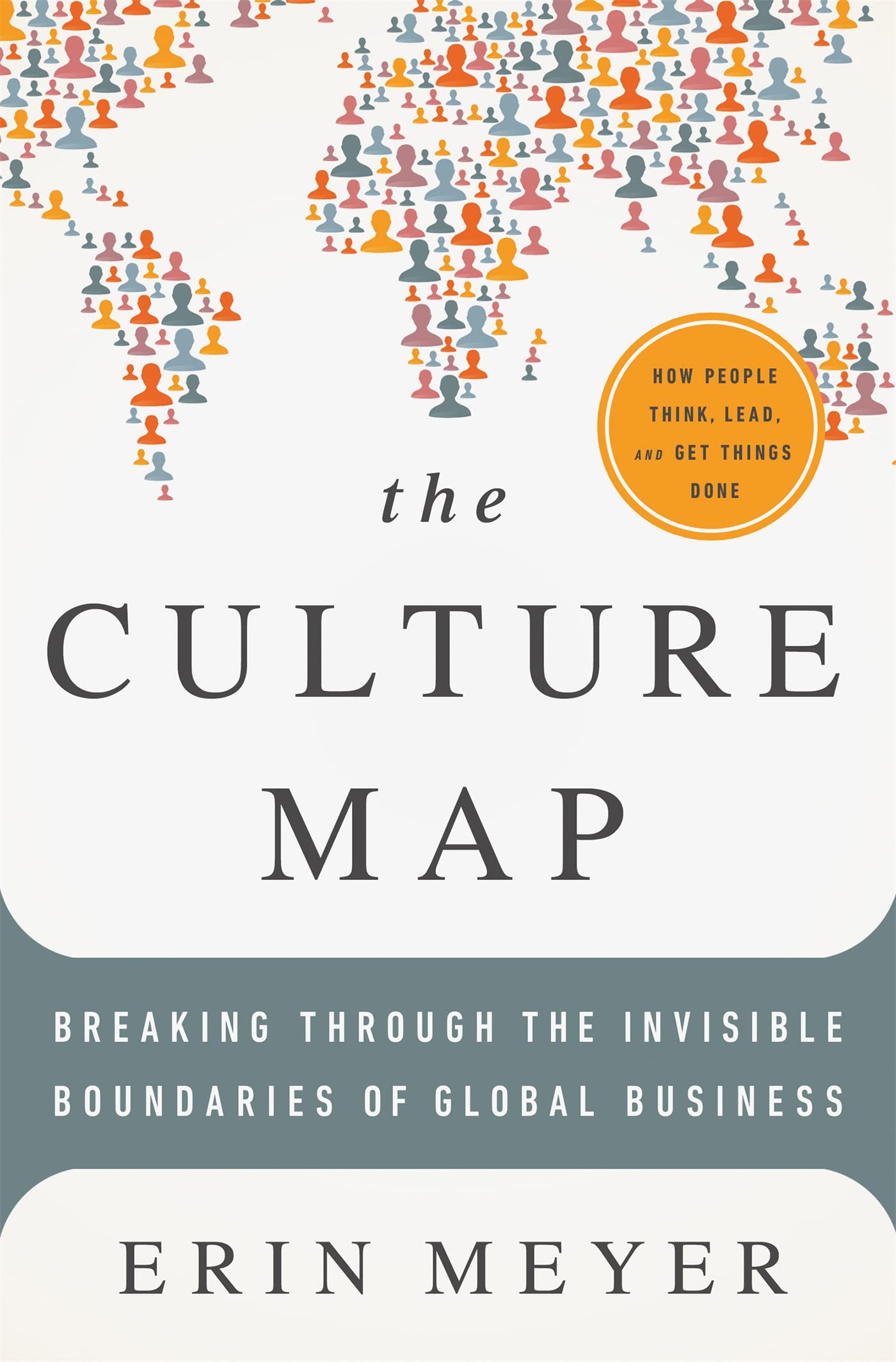
The Culture Map: Breaking Through the Invisible Boundaries of Global Business – Erin Meyer
Whether you work in a home office or abroad, business success in our globalized and virtual world requires the skills to navigate through cultural differences and decode cultures foreign to your own. Renowned expert Erin Meyer is your guide through this subtle, sometimes treacherous terrain where people from starkly different backgrounds are expected to work harmoniously together. When you have Americans who precede anything negative with three nice comments; French, Dutch, Israelis, and Germans who get straight to the point (“Your presentation was simply awful”); Latin Americans and Asians who are steeped in hierarchy; Scandinavians who think the best boss is just one of the crowdthe result can be, well, sometimes interesting, even funny, but often disastrous. In The Culture Map, Erin Meyer provides a model for decoding how cultural differences impact international business and offers practical, actionable advice for succeeding in a global world.
Recommended by Heather Lake, Customer Relationship Manager/Customer Success Manager, Gallery Systems: “Useful for understanding global clients and colleagues.”
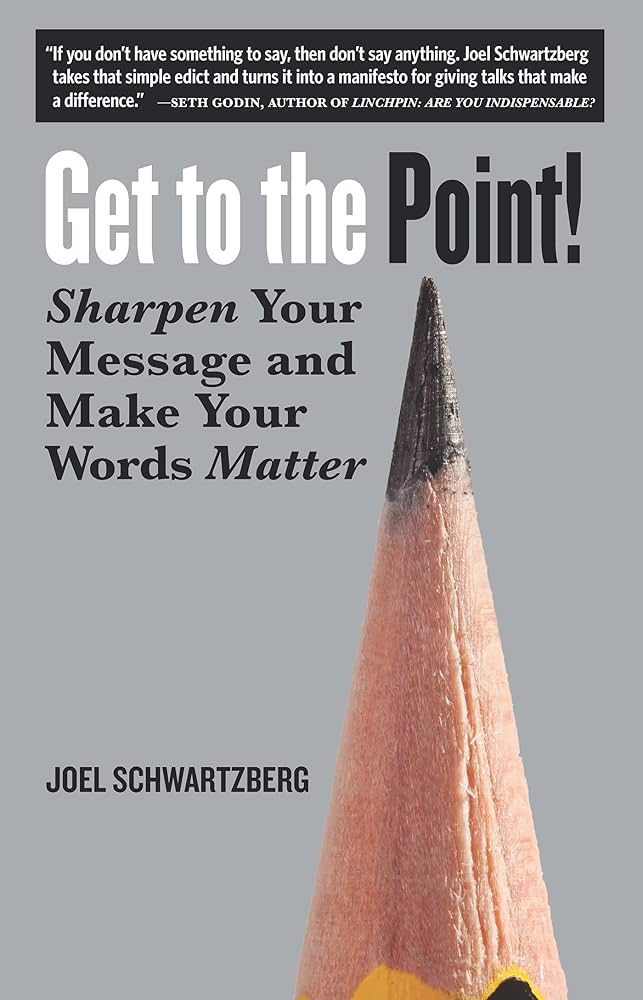
Get to the Point! Sharpen Your Message and Make Your Words Matter – Joel Schwartzberg
Joel Schwartzberg draws on his decades of experience as both a strategic communication professional with organizations like the ASPCA and PBS and as a professional public presentation coach to train you how to identify your point, elevate it, stick to it, and sell it. A point is something more than a title, topic, idea, or theme. It’s a contention you can propose, argue, illustrate, and prove. A real point creates a position of value. His point-making insight applies to communications of all kinds, including speeches, emails, PowerPoint presentations, staff meetings, conference panels, and performance reviews. Schwartzberg’s approach also battles common communication challenges like rambling, irrelevance, uptalk, slow starts, and a debilitating fear of presenting in public. He shows you how to go from simply sharing a thought to making a difference.
Recommended by Rafael Ramirez, Regional Sales Manager, Intellicene: “Pretty interesting and keeps you sharp.”
Looking for even more book picks? Explore the Volaris community’s recommendations for enhancing your systems, habits, and growth strategy.